Indian gig economy strikes back, exposing a broken model
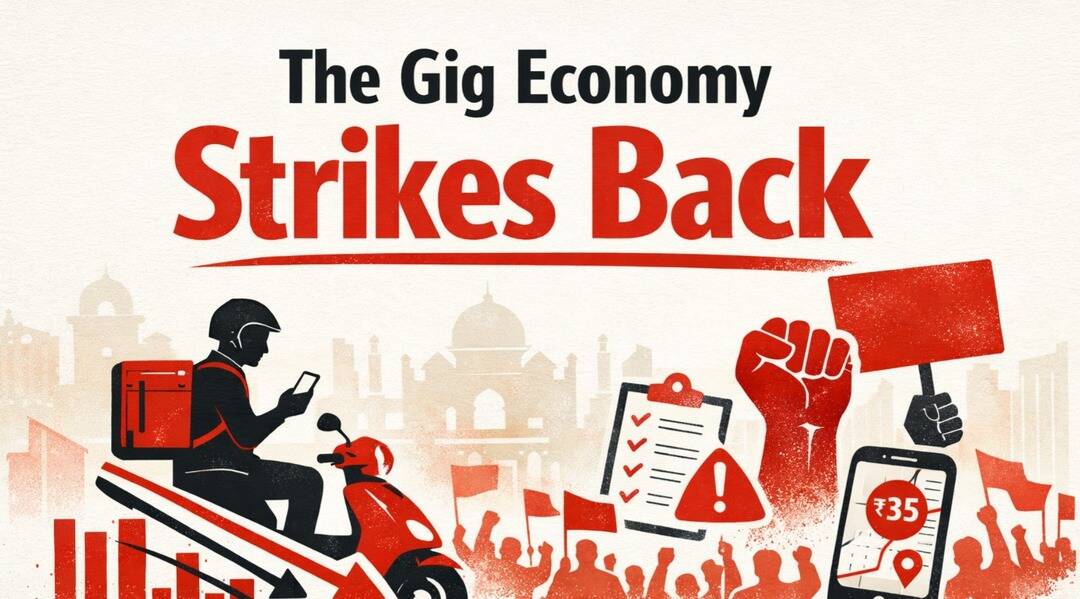
The Indian gig economy, which has been booming in recent years, has hit a roadblock. In December, around 40,000 delivery workers joined nationwide strikes, disrupting 50–60% of orders in several cities. The strikes, which were organized by various worker unions and associations, highlighted the growing dissatisfaction among gig workers with the current state of the industry. Workers cited low and unstable pay, strict app control, and weak protections as the main reasons for their discontent.
The gig economy, which includes companies such as Zomato, Swiggy, and Uber, has been touted as a revolutionary force in the Indian job market. It has created new opportunities for millions of workers, many of whom were previously unemployed or underemployed. However, the reality on the ground is far from rosy. Workers are often forced to work long hours for low pay, with little to no job security or benefits. The apps that govern their working lives are often strict and unforgiving, with algorithms that prioritize efficiency and profit over worker welfare.
The strikes, which were reported in several cities across India, including Delhi, Mumbai, and Bangalore, were a culmination of months of growing unrest among gig workers. Workers had been complaining about the low pay and poor working conditions, but their voices had largely been ignored by the companies and the government. The strikes were a desperate attempt by workers to bring attention to their plight and to demand better working conditions and more equitable pay.
The companies, which have been defending their growth and profitability, have been quick to respond to the strikes. They have argued that the strikes are the result of “misinformation” and “outside influence,” and have promised to increase pay and improve working conditions for workers. However, workers remain skeptical, pointing out that the companies have made similar promises in the past, only to renege on them later.
The government, which has been keen to promote the gig economy as a key driver of economic growth, has also intervened in the dispute. Politicians have called for “dialogue” and “negotiation” between the companies and the workers, but have stopped short of taking concrete action to address the workers’ concerns. The government’s response has been criticized by worker unions and advocacy groups, who argue that it is too little, too late.
The strikes have highlighted a widening gap between convenience and fairness in India’s digital jobs. On the one hand, the gig economy has created new opportunities for consumers to access goods and services at the click of a button. On the other hand, it has created a class of workers who are exploited and marginalized, with little to no protection or support. The companies, which have been driven by the pursuit of profit and growth, have neglected the welfare of their workers, leaving them to fend for themselves in a harsh and unforgiving environment.
The Indian gig economy is not unique in its problems. Gig economies around the world have been plagued by similar issues, including low pay, poor working conditions, and lack of job security. However, the Indian context is particularly challenging, given the country’s large and growing population of young, unemployed, and underemployed workers. The gig economy has been touted as a solution to India’s employment crisis, but it is clear that it is not a panacea.
So, what is the way forward? The companies, the government, and the workers all have a role to play in creating a more equitable and sustainable gig economy. The companies need to take concrete steps to improve pay and working conditions for workers, including providing benefits, job security, and a fair and transparent system of compensation. The government needs to introduce regulations and laws that protect workers’ rights and prevent exploitation. The workers, who have been at the forefront of the struggle, need to continue to organize and advocate for their rights, using the strikes as a catalyst for change.
In conclusion, the Indian gig economy strikes are a wake-up call for the companies, the government, and the workers. They highlight the need for a more equitable and sustainable model of work, one that balances convenience and fairness. The strikes are not just about pay and working conditions; they are about the very future of work in India. As the gig economy continues to grow and evolve, it is essential that we prioritize the welfare and dignity of workers, and create a system that is just and fair for all.
Source: https://ascendants.in/industry_events/indian-gig-economy-strikes-platforms-policy/
About the Author