Indian gig economy strikes back, exposing a broken model
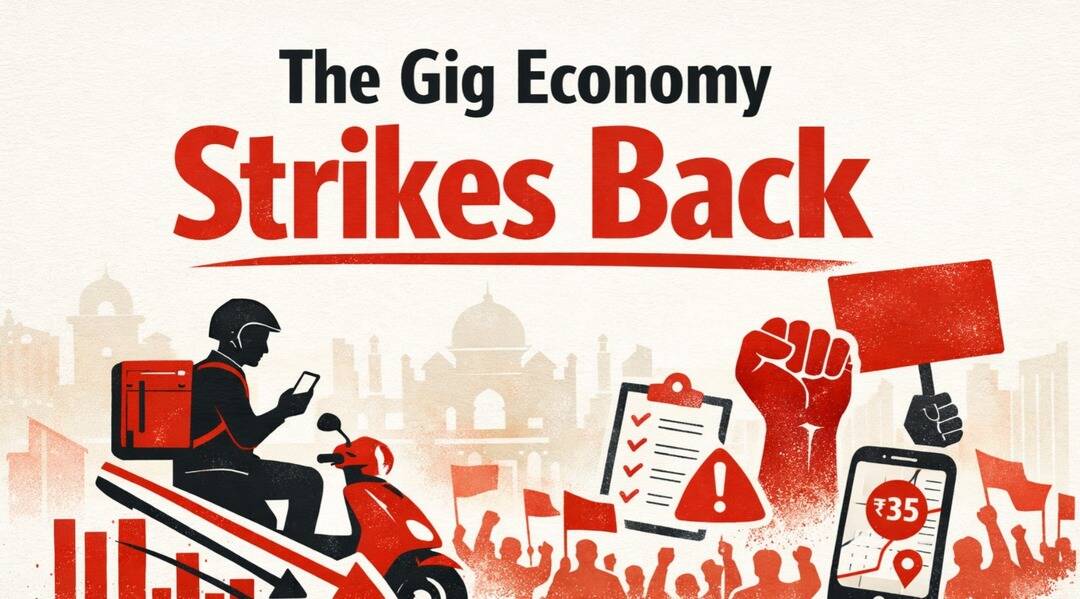
The Indian gig economy, which has been booming in recent years, has hit a roadblock. In December, around 40,000 delivery workers joined nationwide strikes, disrupting 50–60% of orders in several cities. The workers, who are the backbone of the gig economy, cited low and unstable pay, strict app control, and weak protections as the reasons for their protests. This strike has brought to the forefront the widening gap between convenience and fairness in India’s digital jobs.
The gig economy, which includes companies like Zomato, Swiggy, and Uber, has been growing rapidly in India. These companies have made it convenient for people to order food, book cabs, and avail other services with just a few clicks on their smartphones. However, behind the scenes, the workers who make these services possible have been struggling to make ends meet.
The strike, which was called by various worker unions, highlighted the plight of the delivery workers. They complained that their pay had been reduced significantly over the past year, making it difficult for them to survive. The workers also alleged that the companies had strict control over their work, dictating their schedules, and penalties for not meeting targets. The lack of social security benefits, such as health insurance and pension, was another major concern.
The companies, on the other hand, have defended their model, citing the flexibility and freedom that it offers to the workers. They claim that the workers are not employees, but rather independent contractors who can choose when and how much they want to work. However, the workers argue that this flexibility is an illusion, as they are forced to work long hours to make a decent living.
The strike has also brought to the forefront the role of politicians in regulating the gig economy. The government has been under pressure to intervene and regulate the sector, which has been largely unregulated so far. The workers are demanding better pay, social security benefits, and protection from exploitation by the companies.
The Indian gig economy is not alone in facing these challenges. Similar strikes have taken place in other countries, including the United States and the United Kingdom. The gig economy has been criticized for creating a new class of workers who are not entitled to the same benefits and protections as traditional employees.
The strike in India has significant implications for the future of the gig economy. It highlights the need for better regulation and protection of workers’ rights. The companies will have to rethink their model and ensure that the workers are treated fairly and with dignity. The government will also have to play a more active role in regulating the sector and ensuring that the workers are protected.
The Indian gig economy is at a crossroads. The strike has exposed the broken model of the sector, which prioritizes convenience and growth over fairness and justice. The companies and the government will have to work together to create a more sustainable and equitable model that benefits both the workers and the consumers.
In conclusion, the Indian gig economy strike is a wake-up call for the companies, the government, and the consumers. It highlights the need for better regulation, protection of workers’ rights, and a more sustainable model that prioritizes fairness and justice. The strike is not just about the workers; it is about creating a more equitable society where everyone has access to decent work and a fair income.
As the gig economy continues to grow and evolve, it is essential to address the concerns of the workers and create a more sustainable model. The strike is a reminder that the convenience and flexibility offered by the gig economy come at a cost, and it is time to rethink the model and prioritize fairness and justice.
News Source: https://ascendants.in/industry_events/indian-gig-economy-strikes-platforms-policy/
About the Author