Indian gig economy strikes back, exposing a broken model
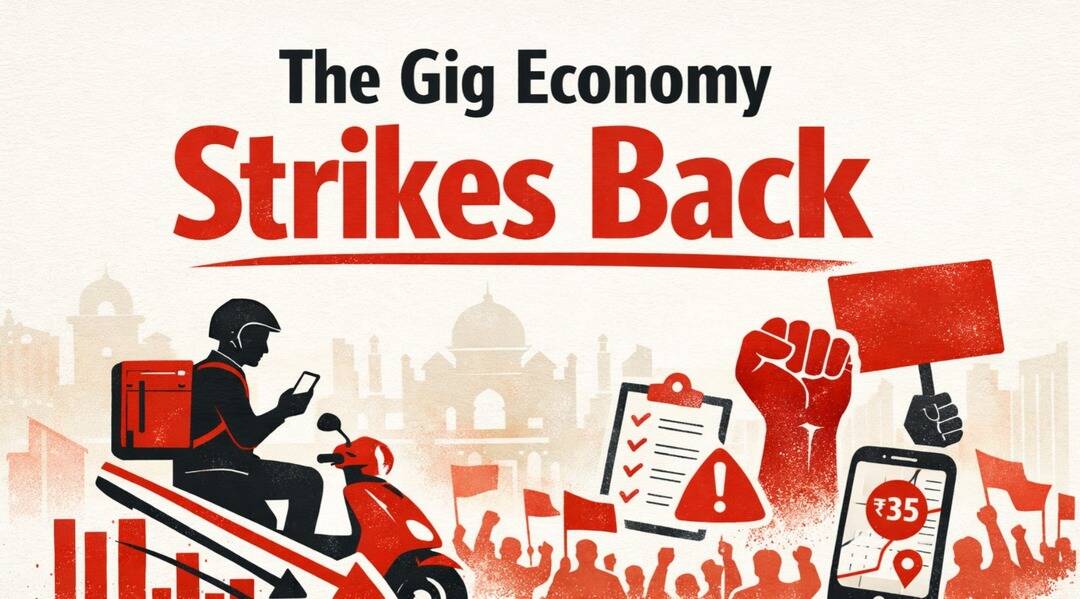
The Indian gig economy has been on the rise in recent years, with millions of workers joining the sector in search of flexible and lucrative opportunities. However, beneath the surface of this booming industry lies a complex web of issues that have been simmering for years. In December, the tensions finally boiled over, as around 40,000 delivery workers joined nationwide strikes, disrupting 50–60% of orders in several cities. The workers, who are the backbone of the gig economy, cited low and unstable pay, strict app control, and weak protections as the primary reasons for their protests.
The strike, which was one of the largest of its kind in the Indian gig economy, highlighted the widening gap between convenience and fairness in the sector. While companies like Zomato, Swiggy, and Uber have made it increasingly convenient for consumers to order food and get around, the workers who make this convenience possible are often left to struggle with meager pay and limited benefits. The protests also underscored the need for a more sustainable and equitable model, one that balances the interests of companies, workers, and consumers.
At the heart of the issue is the way that gig economy companies classify their workers. Rather than recognizing them as employees, companies often categorize them as independent contractors, which means they are not entitled to the same benefits and protections as traditional employees. This has led to a situation where workers are expected to bear the costs of their own equipment, fuel, and maintenance, while also being subject to the whims of the companies they work for.
The app-based control that companies exert over their workers is another major issue. Workers are often forced to work long hours, with little control over their schedules or their pay. The algorithms that govern the apps can be arbitrary and unfair, with workers being penalized for things like low ratings or missed deliveries. This has created a culture of fear and anxiety, where workers are constantly worried about being deactivated or having their pay docked.
The strikes have also highlighted the role of politicians and policymakers in shaping the gig economy. In recent years, there has been a growing recognition of the need for more robust regulations and protections for gig workers. However, the implementation of these regulations has been slow, and companies have often found ways to circumvent them. The strikes have put pressure on politicians to take action, with some calling for greater protections and benefits for gig workers.
One of the key challenges facing policymakers is how to balance the interests of companies, workers, and consumers. The gig economy has created millions of jobs and stimulated economic growth, but it has also raised concerns about exploitation and inequality. To address these concerns, policymakers will need to find a way to create a more sustainable and equitable model, one that recognizes the rights and dignity of gig workers.
In recent years, there have been some positive developments in this regard. For example, some companies have started to offer benefits and protections to their workers, such as health insurance and paid time off. However, these efforts are often piecemeal and inconsistent, and more needs to be done to create a level playing field.
The strikes have also highlighted the importance of collective action and organizing in the gig economy. Workers are often isolated and fragmented, making it difficult for them to negotiate with companies or advocate for their rights. However, the December strikes showed that when workers come together and organize, they can achieve real change.
In conclusion, the Indian gig economy strikes back, exposing a broken model that prioritizes convenience and growth over fairness and equity. The protests have highlighted the need for a more sustainable and equitable model, one that recognizes the rights and dignity of gig workers. As companies defend their growth and politicians intervene, it is clear that the gig economy is at a crossroads. Will it continue to prioritize profits over people, or will it evolve into a more just and equitable sector? Only time will tell, but one thing is certain – the strikes have marked a turning point in the Indian gig economy, and it will be interesting to see how the sector evolves in the coming years.
For more information on this topic, please visit: https://ascendants.in/industry_events/indian-gig-economy-strikes-platforms-policy/
About the Author