Indian gig economy strikes back, exposing a broken model
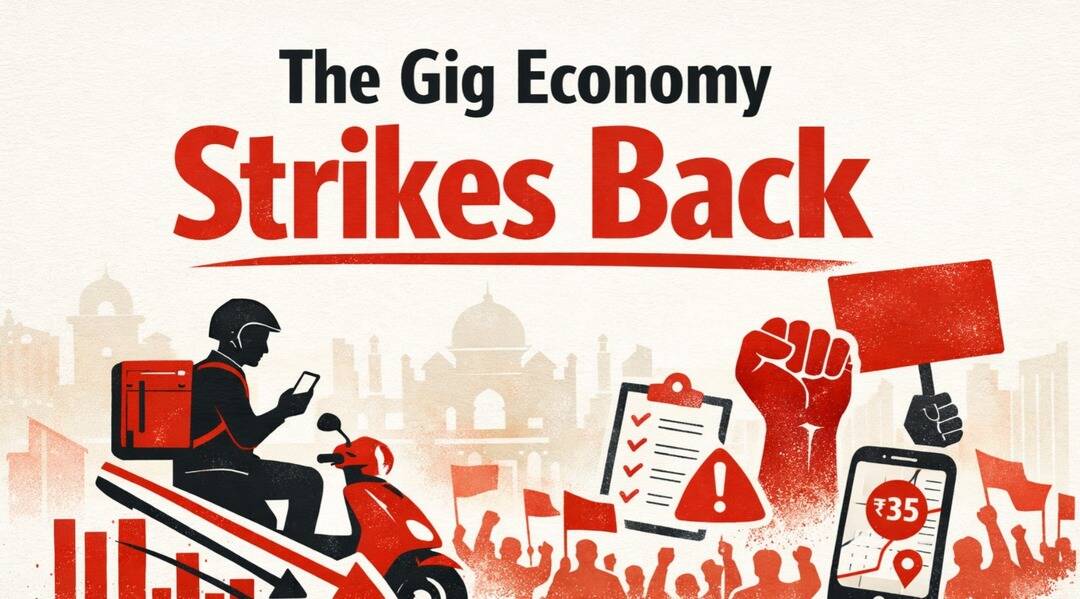
The Indian gig economy has been thriving in recent years, with the rise of food delivery and e-commerce platforms creating new job opportunities for millions of workers. However, beneath the surface of convenience and flexibility lies a more complex reality. In December, around 40,000 delivery workers joined nationwide strikes, disrupting 50–60% of orders in several cities. The workers cited low and unstable pay, strict app control, and weak protections as the reasons for their protest. This strike has brought to the forefront the widening gap between convenience and fairness in India’s digital jobs, exposing a broken model that prioritizes growth over worker welfare.
The gig economy, which includes platforms such as Zomato, Swiggy, and Uber Eats, has grown exponentially in India, with an estimated 10 million workers employed in the sector. These workers are classified as independent contractors, rather than employees, which means they are not entitled to the same benefits and protections as traditional employees. The platforms argue that this classification allows for flexibility and autonomy, but in reality, it has created a system of exploitation, where workers are forced to work long hours for low pay and with little job security.
The strike, which was organized by various worker unions and associations, highlighted the struggles faced by delivery workers in India. The workers complained of low and unstable pay, with many earning as little as ₹15,000 per month, despite working long hours. They also complained of strict app control, which dictates their working hours, delivery routes, and even their behavior, with penalties for non-compliance. The lack of social security benefits, such as health insurance and pension, was another major concern, as workers are left to fend for themselves in case of illness or injury.
The strike also brought attention to the issue of worker safety, with many delivery workers facing harassment, abuse, and even violence on the job. The platforms have been criticized for their lack of response to these incidents, with many workers feeling that their concerns are ignored or dismissed. The strike demanded better working conditions, fair pay, and stronger protections for workers, as well as greater transparency and accountability from the platforms.
The response from the companies has been mixed, with some platforms defending their business model and others acknowledging the need for change. Zomato, for example, has argued that its platform provides workers with flexibility and autonomy, and that the company is committed to improving worker welfare. However, the company has also been criticized for its treatment of workers, with many alleging that the platform’s algorithms prioritize customer convenience over worker well-being.
The government has also intervened in the strike, with some politicians calling for greater regulation of the gig economy. The Indian government has proposed a new labor code, which would provide greater protections for workers in the gig economy, including minimum wage guarantees and social security benefits. However, the code has been criticized for its lack of clarity and its potential to create more problems than it solves.
The strike has also highlighted the role of technology in shaping the gig economy. The platforms’ algorithms and apps have created a system of control and surveillance, where workers are monitored and managed in real-time. This has created a culture of fear and intimidation, where workers are reluctant to speak out or organize. The strike has shown that workers are pushing back against this system, demanding greater autonomy and control over their working lives.
The Indian gig economy strike is not an isolated incident, but rather part of a broader global trend. In recent years, gig economy workers in countries such as the United States, the United Kingdom, and France have also organized strikes and protests, demanding better pay, benefits, and working conditions. The strike has shown that the gig economy is not just a matter of convenience and flexibility, but also of fairness and justice.
In conclusion, the Indian gig economy strike has exposed a broken model that prioritizes growth over worker welfare. The strike has highlighted the struggles faced by delivery workers in India, including low pay, strict app control, and weak protections. The response from companies and politicians has been mixed, with some defending the status quo and others acknowledging the need for change. As the gig economy continues to grow and evolve, it is essential that we prioritize fairness and justice for workers, and create a system that values their dignity and well-being.
For more information on this topic, visit: https://ascendants.in/industry_events/indian-gig-economy-strikes-platforms-policy/
About the Author