Indian gig economy strikes back, exposing a broken model
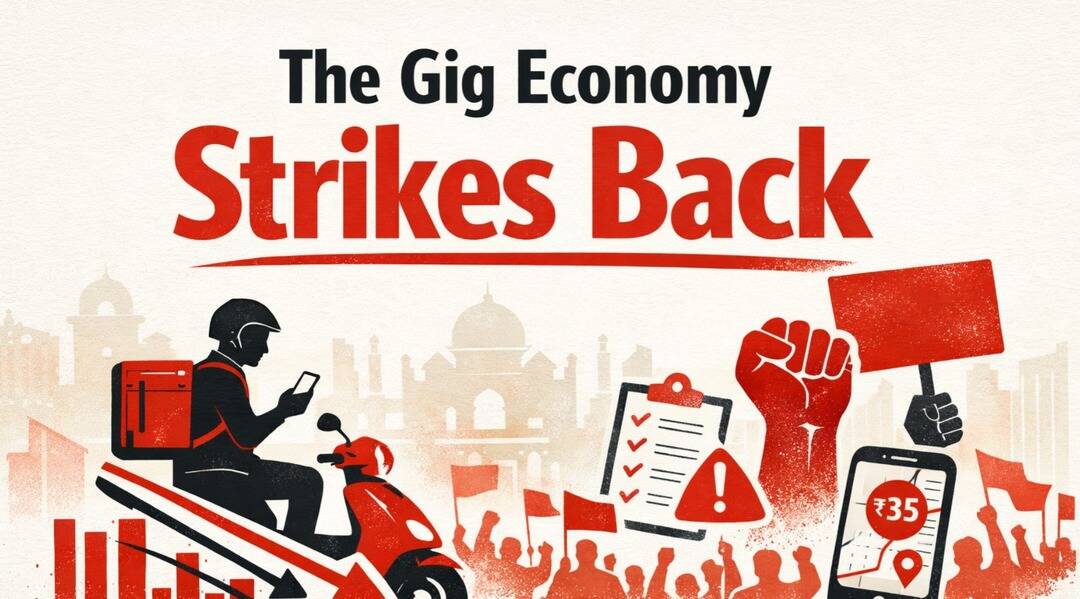
The Indian gig economy, which has been touted as a beacon of innovation and convenience, is facing a major crisis. In December, around 40,000 delivery workers joined nationwide strikes, disrupting 50–60% of orders in several cities. The workers, who are the backbone of the gig economy, cited low and unstable pay, strict app control, and weak protections as the reasons for their protest. As companies defend their growth and politicians intervene, the protests highlight a widening gap between convenience and fairness in India’s digital jobs.
The gig economy, which includes companies like Zomato, Swiggy, and Uber, has grown exponentially in India over the past few years. These companies have created a vast network of delivery workers, who are hired on a freelance basis and are paid per delivery. The model has been successful in providing convenience to consumers, who can now order food and other essentials with just a few clicks. However, the success of the gig economy has come at a cost. The workers, who are the engine of the economy, are struggling to make ends meet.
The strikes, which were organized by various worker unions, were a culmination of months of discontent among the workers. The workers have been complaining about low pay, which can be as low as Rs 10 per delivery. They also have to bear the cost of fuel, maintenance, and other expenses, which can eat into their already meager earnings. The workers are also subject to strict app control, which can lead to them being penalized or even fired if they do not meet the company’s targets.
The workers are also demanding better protections, including accident insurance, health benefits, and job security. Currently, the workers are not entitled to any of these benefits, which makes them vulnerable to exploitation. The companies, on the other hand, are defending their model, saying that it provides flexibility and opportunities to workers who may not have otherwise had access to employment.
However, the workers argue that the flexibility is a myth. They are required to work long hours, often for 12 hours a day, and are not entitled to any breaks or time off. They are also subject to strict performance metrics, which can lead to them being penalized or fired if they do not meet the targets. The workers are also not allowed to form unions or bargain collectively, which makes it difficult for them to negotiate better wages and working conditions.
The strikes have highlighted the need for greater regulation of the gig economy. The government has intervened, with the labor ministry calling for a meeting with the companies and the workers to resolve the issue. However, the solution is not just about increasing wages or providing better benefits. It is about recognizing the rights of the workers and providing them with a fair deal.
The gig economy is not just about providing convenience to consumers; it is also about creating a fair and sustainable model that benefits all stakeholders. The companies need to recognize that the workers are not just freelance agents, but are an integral part of their business model. They need to provide them with better wages, benefits, and protections, and recognize their right to form unions and bargain collectively.
The Indian gig economy is at a crossroads. The strikes have exposed the broken model, which prioritizes convenience over fairness. The companies and the government need to work together to create a more sustainable and equitable model that benefits all stakeholders. The workers are not just demanding better wages and working conditions; they are demanding a fair deal. It is time for the companies and the government to listen to their demands and create a gig economy that is fair, sustainable, and equitable.
The gig economy has the potential to create millions of jobs and provide opportunities to people who may not have otherwise had access to employment. However, it needs to be regulated and monitored to ensure that the workers are treated fairly and with dignity. The strikes have highlighted the need for greater regulation and oversight, and it is time for the government to step in and create a framework that protects the rights of the workers.
In conclusion, the Indian gig economy is striking back, and it is time for the companies and the government to listen. The workers are not just demanding better wages and working conditions; they are demanding a fair deal. The gig economy has the potential to create millions of jobs and provide opportunities to people who may not have otherwise had access to employment. However, it needs to be regulated and monitored to ensure that the workers are treated fairly and with dignity. It is time for the companies and the government to work together to create a more sustainable and equitable model that benefits all stakeholders.
News Source: https://ascendants.in/industry_events/indian-gig-economy-strikes-platforms-policy/
About the Author