Indian gig economy strikes back, exposing a broken model
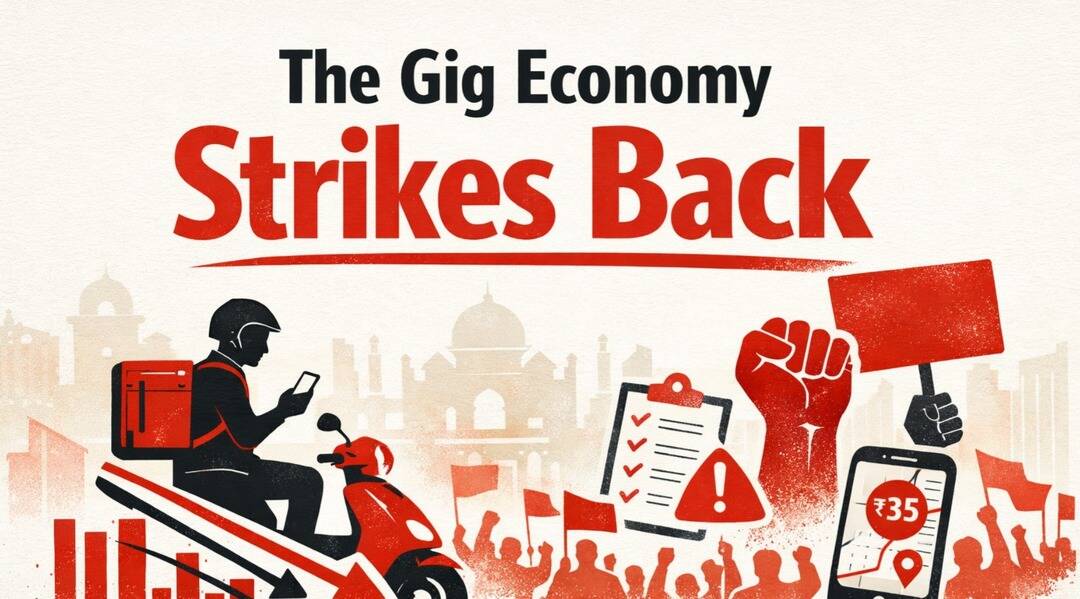
The Indian gig economy, which has been touted as a revolutionary force in the country’s job market, is facing a severe backlash from its workers. In a massive show of dissent, around 40,000 delivery workers went on a nationwide strike in December, disrupting 50-60% of orders in several cities. The strike, which was called to protest against low and unstable pay, strict app control, and weak protections, has highlighted the deep-seated problems that plague the gig economy in India.
The gig economy, which involves short-term, flexible work arrangements, has been growing rapidly in India over the past few years. Companies like Zomato, Swiggy, and Uber have created thousands of jobs for delivery workers, drivers, and other gig workers. However, despite the convenience and flexibility that these jobs offer, the reality is that many gig workers are struggling to make ends meet.
One of the main grievances of the striking workers is low pay. Many delivery workers are paid on a per-delivery basis, which can be as low as Rs 10-20 per delivery. With the rising cost of fuel, maintenance, and other expenses, many workers are finding it difficult to earn a decent income. Moreover, the pay is often unstable, with workers facing fluctuations in their earnings from one day to another.
Another issue that the striking workers are highlighting is the strict control exerted by the companies over their work. The apps used by these companies often dictate the routes that workers must take, the time they must deliver the orders, and even the way they must interact with customers. This level of control can be suffocating, leaving workers with little autonomy or flexibility.
The lack of protections is another major concern for gig workers. Unlike regular employees, gig workers are not entitled to benefits like health insurance, paid leave, or retirement savings. They are also not protected by labor laws, which can leave them vulnerable to exploitation.
The strike has sparked a heated debate about the gig economy and its impact on workers. While companies are defending their business models, citing the flexibility and convenience that they offer, workers are arguing that these benefits come at a significant cost. Politicians have also weighed in, with some calling for greater regulation of the gig economy to protect workers’ rights.
The Indian government has been keen to promote the gig economy as a way to create jobs and stimulate economic growth. However, the strike has highlighted the need for a more nuanced approach that balances the interests of companies, workers, and consumers. As the gig economy continues to grow, it is essential to ensure that workers are treated fairly and with dignity.
The strike has also raised questions about the sustainability of the gig economy business model. While companies like Zomato and Swiggy have achieved rapid growth and scale, their business models are often based on exploiting workers’ labor. The low pay and lack of benefits that workers receive are a major concern, and companies will need to address these issues if they want to build a sustainable and equitable business model.
In recent years, there have been several attempts to regulate the gig economy in India. The government has introduced laws and regulations to protect workers’ rights, but these efforts have been patchy and inconsistent. The strike has highlighted the need for more comprehensive and effective regulation, which takes into account the unique challenges and opportunities of the gig economy.
As the Indian gig economy continues to evolve, it is essential to prioritize fairness and equity. This will require a concerted effort from companies, governments, and workers to create a more sustainable and equitable business model. The strike has shown that workers will no longer tolerate exploitation and mistreatment, and it is time for companies and governments to take notice.
In conclusion, the Indian gig economy strike has exposed a broken model that prioritizes convenience and growth over fairness and equity. As the country continues to navigate the challenges and opportunities of the gig economy, it is essential to prioritize the rights and dignity of workers. This will require a fundamental transformation of the business model, one that balances the interests of companies, workers, and consumers.
For more information on this topic, please visit: https://ascendants.in/industry_events/indian-gig-economy-strikes-platforms-policy/
News Source: https://ascendants.in/industry_events/indian-gig-economy-strikes-platforms-policy/
About the Author