Indian gig economy strikes back, exposing a broken model
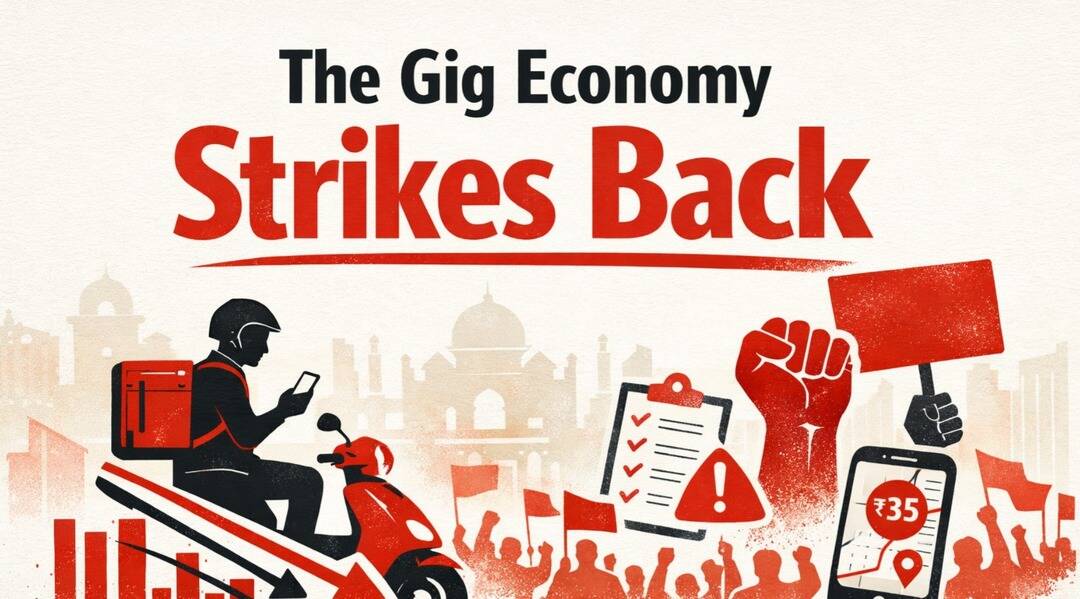
The Indian gig economy, which has been touted as a symbol of innovation and progress, is facing a major crisis. In December, around 40,000 delivery workers joined nationwide strikes, disrupting 50–60% of orders in several cities. The strike, which was one of the largest of its kind, highlighted the growing discontent among gig workers who are demanding better pay, working conditions, and protections. The protests have exposed the dark underbelly of the gig economy, revealing a broken model that prioritizes growth and convenience over fairness and worker welfare.
The gig economy, which includes companies such as Zomato, Swiggy, and Uber, has grown exponentially in India over the past few years. These companies have created millions of jobs for delivery workers, drivers, and other gig workers, providing them with flexible and convenient work opportunities. However, behind the façade of convenience and flexibility lies a harsh reality. Gig workers are often paid low wages, have no job security, and are subjected to strict app control, which dictates their every move.
The striking workers cited low and unstable pay as one of the main reasons for their protest. Many workers reported earning as little as Rs 10,000-15,000 per month, which is barely enough to cover their living expenses. The pay is also highly unstable, with workers facing fluctuations in their earnings from one day to another. This makes it difficult for them to plan their finances and provide for their families.
Another major issue faced by gig workers is the strict app control. The companies use algorithms to manage their workforce, dictating everything from the number of hours they work to the routes they take. Workers are often penalized for not meeting their targets or for taking breaks, which can affect their ratings and earnings. This has created a culture of fear and anxiety among workers, who feel that they are constantly being watched and controlled.
The lack of protections is another major concern for gig workers. Unlike traditional employees, gig workers are not entitled to benefits such as health insurance, paid leave, or pension. They are also not protected by labor laws, which makes them vulnerable to exploitation. The companies argue that gig workers are independent contractors, rather than employees, which exempts them from providing these benefits.
The strike has sparked a debate about the future of the gig economy in India. While companies defend their growth and innovation, politicians have intervened, calling for better protections and wages for gig workers. The government has announced plans to regulate the gig economy, which could include measures such as minimum wage guarantees, social security benefits, and protection from exploitation.
However, the companies are resisting these efforts, arguing that over-regulation could stifle innovation and growth. They claim that the gig economy provides flexible and convenient work opportunities, which are essential for the modern economy. However, this argument ignores the harsh reality faced by gig workers, who are struggling to make ends meet.
The Indian gig economy strike is not an isolated incident. Similar protests have taken place in other countries, including the United States, the United Kingdom, and Australia. The global gig economy is facing a crisis, as workers demand better pay, protections, and working conditions. The Indian strike is a wake-up call for companies and policymakers, who must address the growing discontent among gig workers.
The strike has also highlighted the widening gap between convenience and fairness in India’s digital jobs. While the gig economy provides convenience and flexibility to consumers, it has created a system that is inherently unfair to workers. The companies prioritize growth and profits over worker welfare, creating a system that is unsustainable and exploitative.
In conclusion, the Indian gig economy strike is a significant event that exposes the broken model of the gig economy. The strike has highlighted the need for better pay, protections, and working conditions for gig workers. While companies defend their growth and innovation, policymakers must intervene to regulate the gig economy and provide protections for workers. The future of the gig economy depends on finding a balance between convenience and fairness, which prioritizes worker welfare and sustainability.
As the debate continues, one thing is clear: the Indian gig economy will never be the same again. The strike has sparked a movement, which will continue to grow and spread until the demands of gig workers are met. The companies and policymakers must listen to the voices of the workers and create a system that is fair, sustainable, and just.
News source: https://ascendants.in/industry_events/indian-gig-economy-strikes-platforms-policy/
About the Author