Indian gig economy strikes back, exposing a broken model
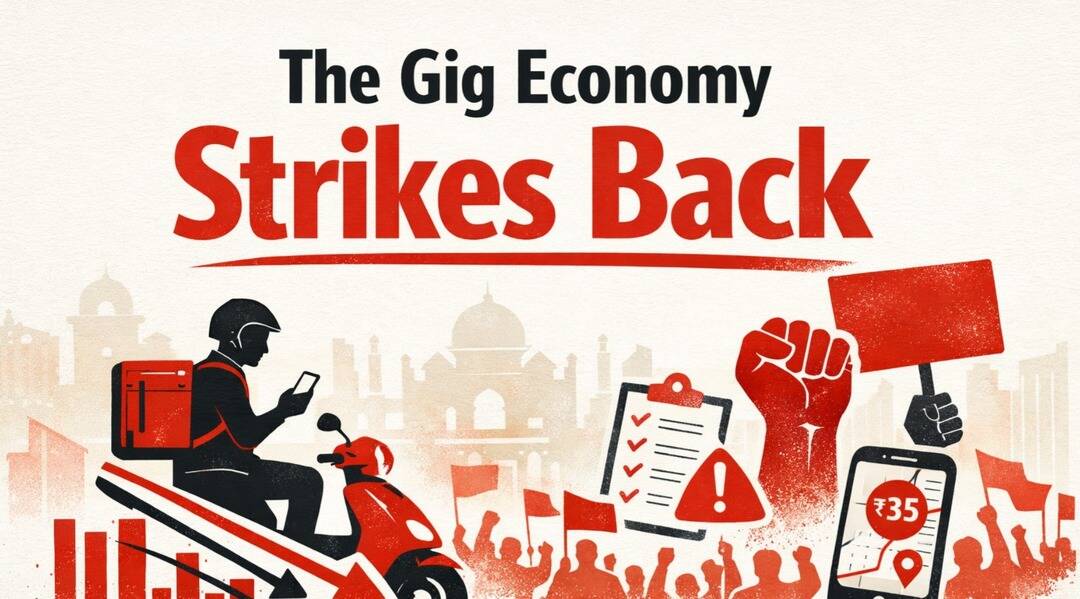
The Indian gig economy, which has been touted as a symbol of innovation and flexibility, has been facing a reckoning of late. In December, around 40,000 delivery workers joined nationwide strikes, disrupting 50–60% of orders in several cities. The workers, who are the backbone of the gig economy, cited low and unstable pay, strict app control, and weak protections as the reasons for their protests. As companies defend their growth and politicians intervene, the protests highlight a widening gap between convenience and fairness in India’s digital jobs.
The gig economy, which includes companies such as Zomato, Swiggy, and Uber, has been growing at a rapid pace in India. The sector has created millions of jobs, but the workers are often classified as independent contractors, rather than employees. This means that they are not entitled to the same benefits and protections as traditional employees, such as minimum wage, paid leave, and social security.
The workers who went on strike are demanding better pay, more flexibility, and greater protections. They are also seeking greater transparency and accountability from the companies that they work for. The protests are a clear indication that the gig economy model, which has been hailed as a revolutionary force, is broken.
One of the main issues that the workers are facing is low pay. The delivery workers are paid on a per-delivery basis, which means that their earnings can vary greatly depending on the number of deliveries they make. The workers are also required to bear the costs of fuel, maintenance, and other expenses, which can eat into their earnings. As a result, many workers are struggling to make ends meet, and are forced to work long hours to earn a decent income.
Another issue that the workers are facing is strict app control. The companies that they work for use algorithms to manage the workflow, which can be unpredictable and unfair. The workers are often required to accept deliveries at short notice, and are penalized if they fail to do so. This can lead to a situation where workers are forced to work long hours, without any breaks or time off.
The workers are also seeking greater protections, such as insurance and social security. The gig economy is a high-risk sector, and workers are often injured or killed on the job. However, the companies that they work for often do not provide adequate protections, leaving the workers to fend for themselves.
The protests are not just about the workers, but also about the future of the gig economy. The sector has the potential to create millions of jobs, but it needs to be regulated and managed in a way that is fair and sustainable. The companies that operate in the sector need to take responsibility for the workers, and provide them with the benefits and protections that they deserve.
The government also has a role to play in regulating the gig economy. The sector is currently unregulated, which means that workers are often at the mercy of the companies that they work for. The government needs to introduce laws and regulations that protect the workers, and ensure that they are treated fairly.
In recent years, there have been several attempts to regulate the gig economy. The Indian government has introduced laws such as the Code on Social Security, which provides social security benefits to gig workers. However, the laws are often inadequate, and do not provide sufficient protections to the workers.
The protests are a wake-up call for the government and the companies that operate in the gig economy. They need to take the concerns of the workers seriously, and work towards creating a more fair and sustainable model. This will require a fundamental shift in the way that the sector is managed, and a greater emphasis on the welfare of the workers.
In conclusion, the Indian gig economy is striking back, exposing a broken model that prioritizes convenience over fairness. The protests are a clear indication that the sector needs to be regulated and managed in a way that is fair and sustainable. The companies that operate in the sector need to take responsibility for the workers, and provide them with the benefits and protections that they deserve. The government also has a role to play in regulating the sector, and introducing laws and regulations that protect the workers.
As the gig economy continues to grow, it is essential that we prioritize the welfare of the workers. This will require a fundamental shift in the way that the sector is managed, and a greater emphasis on fairness and sustainability. The protests are a wake-up call, and it is time for us to take action.
For more information on this topic, please visit: https://ascendants.in/industry_events/indian-gig-economy-strikes-platforms-policy/
News Source: https://ascendants.in/industry_events/indian-gig-economy-strikes-platforms-policy/
About the Author