Indian gig economy strikes back, exposing a broken model
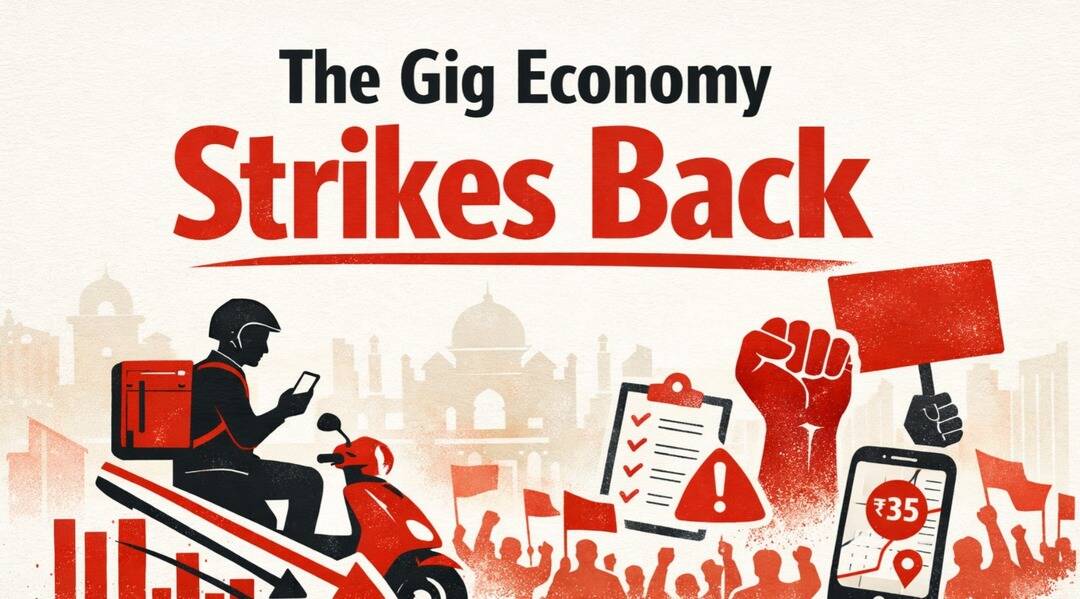
The Indian gig economy, which has grown exponentially over the past decade, has been facing a major crisis. In December, around 40,000 delivery workers joined nationwide strikes, disrupting 50–60% of orders in several cities. The strike, which was one of the largest of its kind, highlighted the growing discontent among gig workers who are demanding better pay, working conditions, and social protections. The protests have sparked a heated debate about the sustainability of the gig economy model and the need for regulatory reforms to protect the rights of workers.
The gig economy, which includes companies such as Zomato, Swiggy, and Uber, has revolutionized the way Indians work and live. With the rise of smartphones and cheap data, millions of Indians have turned to gig work as a way to earn a living. However, the convenience and flexibility offered by gig work come at a cost. Workers are often paid low wages, have limited social protections, and are subject to strict app control.
The recent strike was called by various worker unions and associations, who cited low and unstable pay, strict app control, and weak protections as the main reasons for the protest. Workers claimed that they were earning as little as ₹10-15 per delivery, which is barely enough to cover their expenses. They also complained about the lack of social protections, such as health insurance, pension, and paid leave.
The strike had a significant impact on the operations of food delivery and ride-hailing companies. In cities such as Delhi, Mumbai, and Bengaluru, orders were disrupted, and customers were left frustrated. The companies, however, defended their business model, claiming that they were providing opportunities for millions of Indians to earn a living.
The Indian government has also intervened in the matter, with politicians from various parties promising to look into the grievances of the workers. The government has announced plans to regulate the gig economy, including the introduction of a new law that will provide social protections to gig workers.
The strike has highlighted the widening gap between convenience and fairness in India’s digital jobs. While the gig economy has created millions of jobs, it has also created a new class of workers who are vulnerable and exploited. The lack of regulations and protections has led to a situation where workers are forced to work long hours for low pay, without any social security or benefits.
The Indian gig economy is not alone in facing these challenges. Gig workers around the world are fighting for their rights, from Uber drivers in the US to Deliveroo riders in the UK. The global gig economy is estimated to be worth over $300 billion, with millions of workers employed in various sectors, including food delivery, ride-hailing, and freelance work.
However, the Indian gig economy is unique in its scale and complexity. With over 500 million internet users and a growing middle class, India is one of the largest markets for gig economy companies. The country’s gig economy is expected to grow to $30 billion by 2025, creating millions of jobs and opportunities for entrepreneurs and workers.
To address the challenges facing the Indian gig economy, the government and companies need to work together to create a more sustainable and equitable model. This includes introducing regulations that protect the rights of workers, providing social protections, and ensuring fair pay and working conditions.
The strike has also highlighted the need for greater transparency and accountability in the gig economy. Companies need to be more transparent about their business practices, including their payment structures and working conditions. Workers need to be given more control over their work, including the ability to choose their hours and rates.
In conclusion, the Indian gig economy strike has exposed a broken model that prioritizes convenience and growth over fairness and sustainability. The protests have highlighted the need for regulatory reforms and greater protections for workers. As the Indian gig economy continues to grow, it is essential that companies and the government work together to create a more equitable and sustainable model that benefits both workers and consumers.
To know more about this, visit: https://ascendants.in/industry_events/indian-gig-economy-strikes-platforms-policy/
News Source: https://ascendants.in/industry_events/indian-gig-economy-strikes-platforms-policy/
About the Author