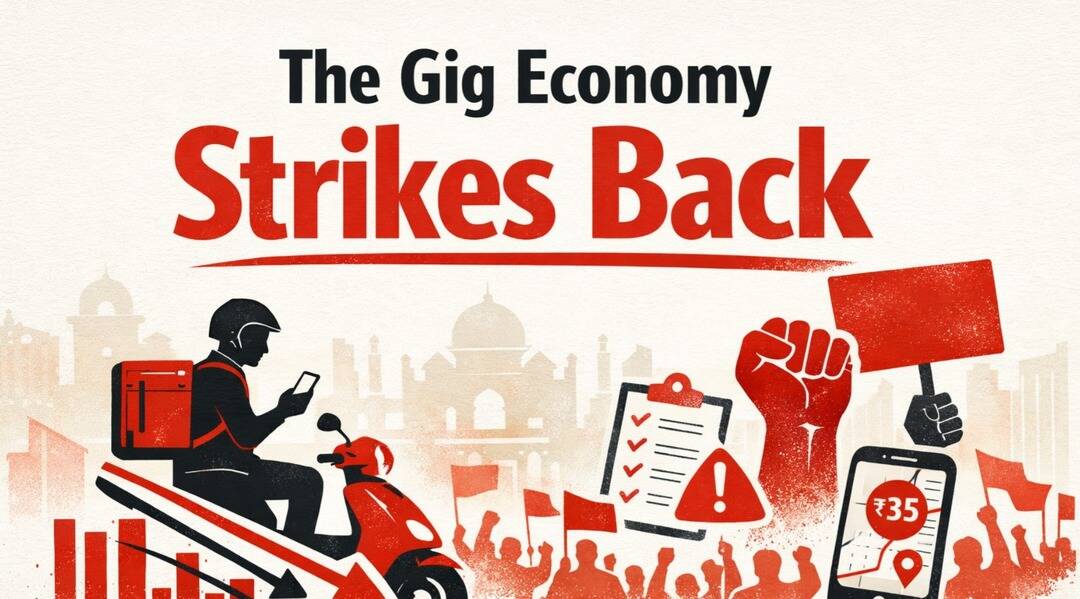
Indian gig economy strikes back, exposing a broken model
The Indian gig economy has been thriving in recent years, with millions of workers signing up to work as delivery personnel, ride-hailing drivers, and other freelance jobs. However, beneath the surface of this booming industry lies a complex web of issues that have been simmering for a while. In December, around 40,000 delivery workers joined nationwide strikes, disrupting 50–60% of orders in several cities. The strikes, which were organized by various worker unions and associations, highlighted the growing dissatisfaction among gig workers with the current state of the industry.
At the heart of the protests were issues related to low and unstable pay, strict app control, and weak protections for workers. Many gig workers in India earn barely enough to make ends meet, with some earning as little as ₹15,000 (approximately $200) per month. This is despite working long hours, often in excess of 12 hours a day, and facing harsh working conditions. The lack of job security, benefits, and social protections has made it difficult for workers to plan for the future or cope with unexpected expenses.
The strikes also highlighted the issue of strict app control, where companies like Zomato, Swiggy, and Uber exert significant control over workers’ lives. Algorithms dictate everything from the number of deliveries workers can make to the routes they take, leaving workers with little autonomy or flexibility. This has led to a sense of powerlessness among workers, who feel that they are mere cogs in a machine rather than human beings with agency and dignity.
The Indian government has been quick to intervene in the crisis, with politicians from various parties weighing in on the issue. While some have expressed support for the workers, others have called for greater regulation of the gig economy. The Ministry of Labour and Employment has announced plans to establish a social security fund for gig workers, which would provide them with access to benefits like health insurance and pension schemes.
However, companies have been defensive about their treatment of workers, arguing that they provide flexible and well-paying opportunities for millions of Indians. Zomato, for example, has said that its delivery partners earn an average of ₹50,000 (approximately $670) per month, which is significantly higher than the national average. However, workers’ unions have disputed these claims, pointing out that many workers earn much less than this amount and face significant expenses like fuel costs and vehicle maintenance.
As the debate rages on, it is clear that the Indian gig economy is at a crossroads. On the one hand, the industry has created millions of jobs and provided opportunities for entrepreneurship and innovation. On the other hand, it has also perpetuated exploitation and inequality, with workers bearing the brunt of the costs.
To address these issues, policymakers and companies will need to work together to create a more sustainable and equitable model for the gig economy. This could involve establishing minimum wage standards, providing benefits and social protections, and giving workers more control over their working conditions. It could also involve creating new forms of social security and support systems that are tailored to the needs of gig workers.
Ultimately, the Indian gig economy strikes are a wake-up call for the industry and policymakers. They highlight the need for a more nuanced and balanced approach to the gig economy, one that prioritizes both convenience and fairness. As the country continues to grow and urbanize, it is essential that we create jobs and opportunities that are sustainable, equitable, and just.
In conclusion, the Indian gig economy is striking back, and it is time for companies and policymakers to listen. The protests have exposed a broken model that prioritizes growth and profit over people and fairness. As we move forward, it is essential that we create a more sustainable and equitable model for the gig economy, one that prioritizes the needs and dignity of workers.
For more information on this topic, please visit: https://ascendants.in/industry_events/indian-gig-economy-strikes-platforms-policy/
News Source: https://ascendants.in/industry_events/indian-gig-economy-strikes-platforms-policy/
About the Author