Indian gig economy strikes back, exposing a broken model
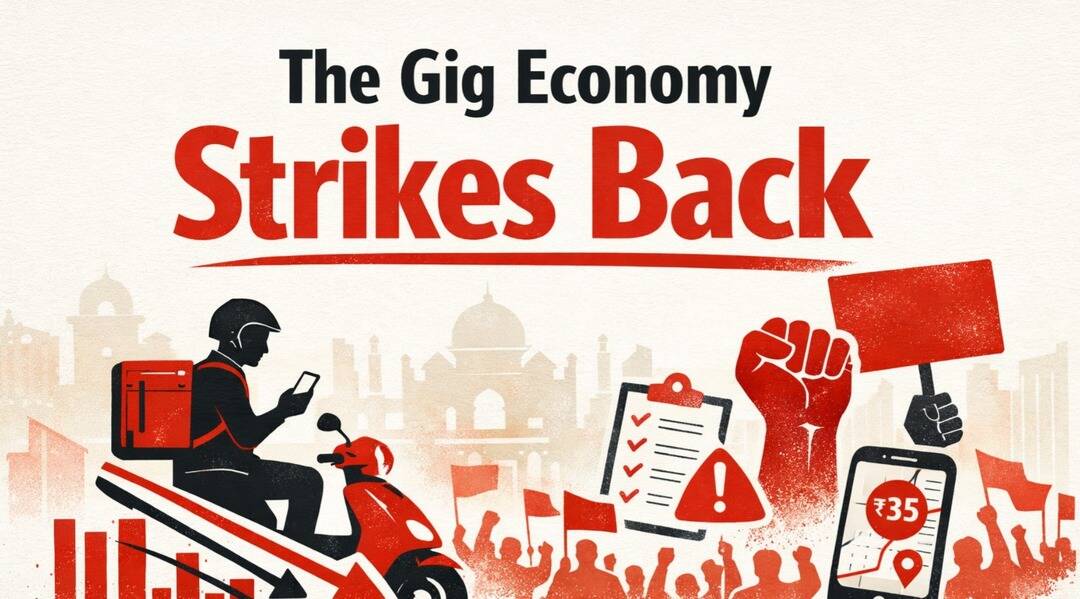
The Indian gig economy, once hailed as a revolutionary force in the job market, is facing a growing backlash from its own workforce. In December, around 40,000 delivery workers joined nationwide strikes, disrupting 50–60% of orders in several cities. The workers, who are the backbone of the country’s food delivery and e-commerce platforms, are protesting against low and unstable pay, strict app control, and weak protections. As companies defend their growth models and politicians intervene, the protests highlight a widening gap between convenience and fairness in India’s digital jobs.
The gig economy, which has grown exponentially in India over the past decade, has been touted as a flexible and lucrative option for workers. However, the reality on the ground is far from rosy. Delivery workers, who are classified as independent contractors rather than employees, are often paid minimal wages and are denied basic benefits such as health insurance, paid leave, and job security. The platforms, which include major players such as Zomato, Swiggy, and Uber Eats, have been accused of exploiting their workers, using algorithms to control their schedules, and penalizing them for refusing or canceling orders.
The recent strikes, which were organized by worker unions and advocacy groups, are a culmination of years of simmering discontent among delivery workers. The workers are demanding better pay, more flexible scheduling, and greater protections from the platforms. They are also seeking recognition as employees, rather than independent contractors, which would entitle them to benefits and job security. The protests have gained widespread support from labor unions, activists, and politicians, who are calling for greater regulation of the gig economy.
The companies, however, are defending their growth models, arguing that they provide flexible and lucrative opportunities for workers. They claim that the platforms are designed to provide a level playing field for all workers, and that the algorithms used to manage schedules and pay are fair and transparent. However, the workers dispute these claims, arguing that the algorithms are often biased and favor workers who are willing to work longer hours for lower pay.
The Indian government has also intervened in the dispute, with politicians from both the ruling and opposition parties weighing in on the issue. Some have called for greater regulation of the gig economy, while others have argued that the platforms are providing valuable employment opportunities for millions of Indians. The government has also announced plans to establish a social security fund for gig workers, which would provide them with benefits such as health insurance and pension plans.
However, the protests have also highlighted the deeper structural issues in the gig economy. The platforms, which are driven by the need for rapid growth and profitability, often prioritize convenience and efficiency over fairness and equity. The workers, who are the most vulnerable stakeholders in the ecosystem, are often left to bear the brunt of the platforms’ pursuit of growth. The lack of regulation and oversight has allowed the platforms to operate with impunity, exploiting their workers and flouting labor laws.
The Indian gig economy strikes are not an isolated phenomenon. Similar protests have taken place in other countries, including the United States, the United Kingdom, and Australia. The global gig economy, which is estimated to be worth over $300 billion, is facing growing scrutiny and criticism from workers, regulators, and activists. The Indian protests are a wake-up call for policymakers and companies to re-examine the gig economy model and ensure that it is fair, equitable, and sustainable.
In conclusion, the Indian gig economy strikes are a significant development in the country’s labor landscape. The protests have exposed the deep-seated issues in the gig economy, including low pay, strict app control, and weak protections. As companies defend their growth models and politicians intervene, it is clear that the gig economy needs to be re-examined and reformed. The Indian government must take a more proactive role in regulating the gig economy, ensuring that workers are protected and that the platforms operate fairly and transparently. The strikes are a reminder that the pursuit of convenience and efficiency must not come at the cost of fairness and equity.
Source: https://ascendants.in/industry_events/indian-gig-economy-strikes-platforms-policy/
About the Author