Indian gig economy strikes back, exposing a broken model
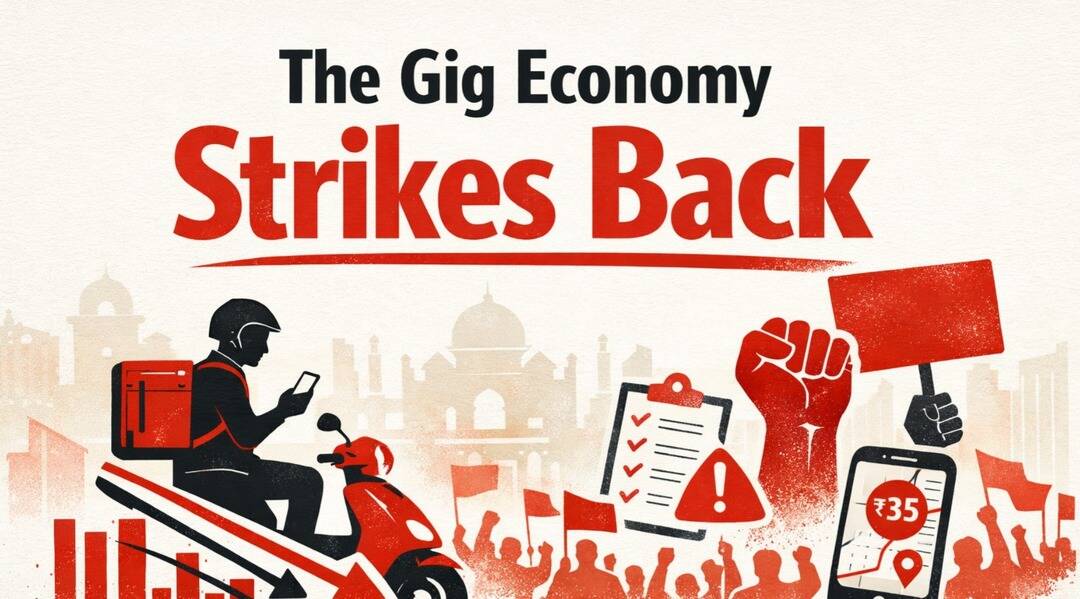
The Indian gig economy, which has been touted as a symbol of innovation and progress, is facing a crisis. In December, around 40,000 delivery workers joined nationwide strikes, disrupting 50-60% of orders in several cities. The strike, which was one of the largest of its kind, highlighted the growing discontent among gig workers who feel exploited and undervalued by the very platforms that have given them employment.
The strike was called by various worker unions and associations, who cited low and unstable pay, strict app control, and weak protections as the main reasons for the protest. The workers, who are the backbone of the gig economy, are demanding better pay, more flexible working hours, and greater autonomy over their work. They are also seeking greater protection from the government, which they feel has failed to regulate the gig economy effectively.
The gig economy, which includes companies such as Zomato, Swiggy, and Uber, has grown exponentially in India over the past few years. These companies have created millions of jobs for delivery workers, cab drivers, and other freelancers, who work on a flexible, project-by-project basis. However, the growth of the gig economy has also created new challenges, including the exploitation of workers, lack of job security, and inadequate social protections.
The strike has highlighted the widening gap between convenience and fairness in India’s digital jobs. While the gig economy has made it easier for consumers to order food, book cabs, and access other services, it has also created a class of workers who are vulnerable to exploitation. The workers, who are often referred to as “partners” or “independent contractors,” are not entitled to the same benefits and protections as traditional employees.
The companies that operate in the gig economy have defended their business model, saying that it provides workers with flexibility and autonomy. However, the workers argue that this flexibility comes at a cost, including low pay, long working hours, and lack of job security. The companies have also been accused of using algorithms to control workers, dictating when and how they work, and penalizing them for not meeting certain targets.
The government has also been criticized for its failure to regulate the gig economy effectively. While the government has introduced some regulations, such as the Code on Social Security, 2020, which provides for social security benefits for gig workers, it has been slow to implement them. The government has also been accused of being too close to the companies that operate in the gig economy, and of prioritizing their interests over those of the workers.
The strike has sparked a national debate about the future of work in India and the need for greater protections for gig workers. The workers are demanding that the government take action to regulate the gig economy, including introducing minimum wage laws, providing social security benefits, and protecting workers from exploitation.
The companies that operate in the gig economy have also been forced to respond to the strike. Some companies have offered to increase pay and improve working conditions, while others have defended their business model, saying that it provides workers with opportunities that they would not otherwise have.
As the debate over the gig economy continues, it is clear that the model is broken. The strike has highlighted the need for greater protections for workers, and the need for the government to take action to regulate the gig economy. The companies that operate in the gig economy must also take responsibility for the workers who are the backbone of their business.
In conclusion, the Indian gig economy strike has exposed a broken model that prioritizes convenience over fairness. The strike has highlighted the need for greater protections for workers, and the need for the government to take action to regulate the gig economy. As the debate over the future of work in India continues, it is clear that the gig economy must be transformed to provide workers with the dignity and respect they deserve.
Source:
https://ascendants.in/industry_events/indian-gig-economy-strikes-platforms-policy/
About the Author