Indian Gig Economy Strikes Back, Exposing a Broken Model
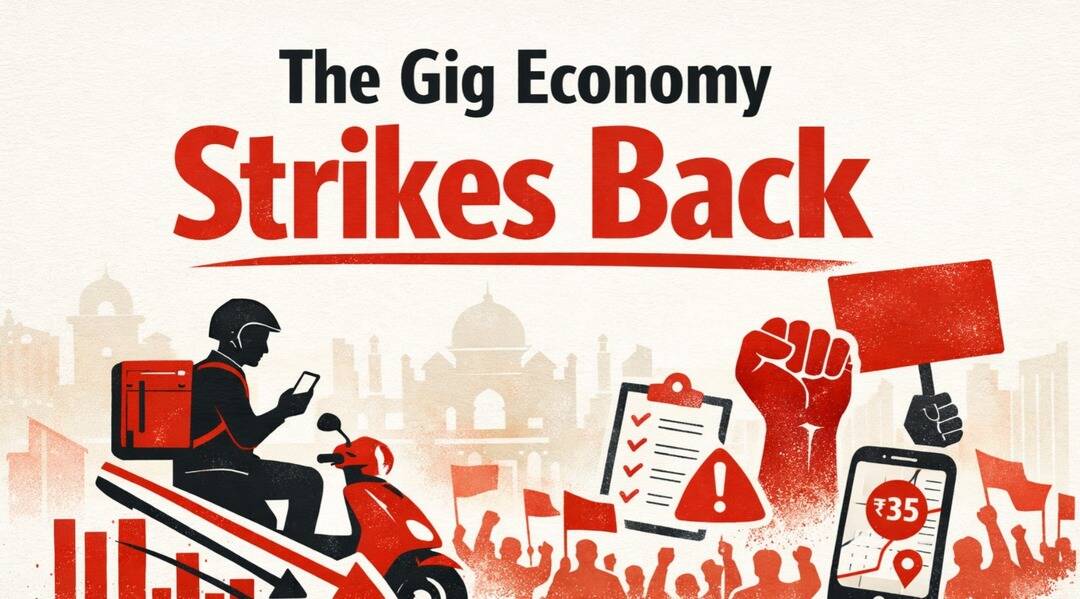
The Indian gig economy, once hailed as a revolutionary force in the job market, is facing a severe backlash. In December, a staggering 40,000 delivery workers from various food delivery and e-commerce platforms joined forces for a nationwide strike, disrupting an estimated 50-60% of orders in several cities. The protests, which were largely organized through social media and messaging apps, brought attention to the plight of gig workers who have been struggling with low and unstable pay, strict app control, and weak protections.
At the heart of the issue lies a fundamental conflict between the convenience offered by gig economy platforms and the fairness of the working conditions they provide. On one hand, platforms like Zomato, Swiggy, and Uber Eats have made it possible for Indians to order food and other essentials with just a few taps on their smartphones. On the other hand, the workers who make these deliveries possible are often forced to work long hours for minimal pay, with little to no job security or benefits.
The striking workers cited several grievances, including low and unstable pay, which can fluctuate greatly depending on the time of day, demand, and other factors. Many workers reported earning as little as ₹10-15 (approximately $0.15-$0.20 USD) per delivery, which can add up to a meager daily income of around ₹200-300 (approximately $2.50-$3.75 USD). This is barely enough to cover the costs of fuel, maintenance, and other expenses associated with making deliveries.
Another major concern is the strict control exerted by the platforms over the workers. Algorithms and ratings systems are used to monitor and evaluate worker performance, with those who fail to meet certain standards facing penalties, including reduced pay or even termination. This has created a culture of fear and anxiety among workers, who feel pressured to work long hours and accept as many deliveries as possible in order to maintain their ratings and avoid punishment.
The lack of protections for gig workers is also a significant issue. Unlike traditional employees, gig workers are not entitled to benefits like health insurance, paid time off, or retirement plans. They are also not protected by labor laws, which can leave them vulnerable to exploitation and abuse. In many cases, workers are forced to bear the costs of accidents or injuries on the job, with little to no support from the platforms.
As the strikes gained momentum, companies were quick to defend their growth and profitability. They argued that the gig economy has created new opportunities for employment and entrepreneurship, and that workers are free to choose when and how much they want to work. However, this narrative ignores the harsh realities faced by many gig workers, who are forced to work long hours for minimal pay in order to make ends meet.
Politicians have also weighed in on the issue, with some calling for greater regulation and protection for gig workers. The Indian government has proposed a new labor code that would provide some benefits and protections for gig workers, but it remains to be seen whether these measures will be effective in addressing the concerns of workers.
The strikes have highlighted a widening gap between convenience and fairness in India’s digital jobs. While platforms like Zomato and Swiggy have made it possible for Indians to order food and other essentials with ease, the workers who make these deliveries possible are often forced to work in precarious and unstable conditions. As the gig economy continues to grow and expand, it is essential that policymakers and companies take steps to address these concerns and ensure that workers are treated with dignity and respect.
In conclusion, the Indian gig economy strikes are a wake-up call for companies, policymakers, and consumers alike. They highlight the need for a more sustainable and equitable model of work, one that balances convenience with fairness and protects the rights and interests of workers. As the gig economy continues to evolve and grow, it is essential that we prioritize the well-being and dignity of the workers who make it possible.
Source: https://ascendants.in/industry_events/indian-gig-economy-strikes-platforms-policy/
About the Author