Indian gig economy strikes back, exposing a broken model
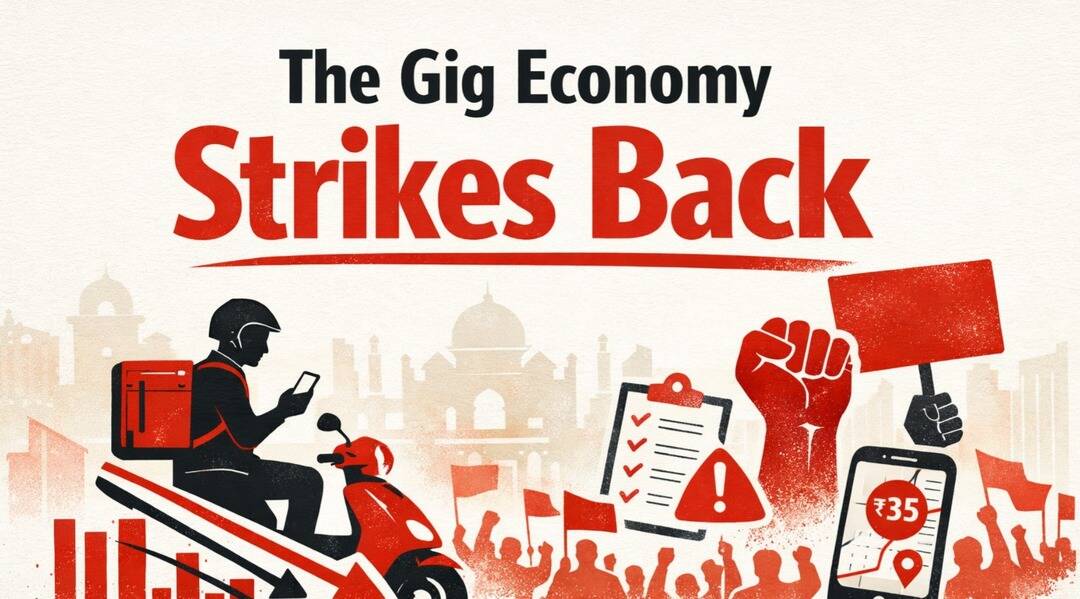
The Indian gig economy, which has been touted as a symbol of innovation and progress, has hit a roadblock. In December, around 40,000 delivery workers joined nationwide strikes, disrupting 50–60% of orders in several cities. The workers, who are the backbone of the gig economy, cited low and unstable pay, strict app control, and weak protections as the reasons for their protest. As companies defend their growth and politicians intervene, the protests have highlighted a widening gap between convenience and fairness in India’s digital jobs.
The gig economy, which includes companies like Zomato, Swiggy, and Uber, has grown exponentially in India over the past few years. These companies have created millions of jobs for delivery workers, cab drivers, and other freelancers, providing them with a source of income and flexibility. However, behind the scenes, the workers have been struggling to make ends meet. Low pay, long working hours, and lack of benefits have become the norm for many gig workers.
The strike, which was called by various worker unions and associations, was a culmination of months of frustration and discontent among the workers. The workers demanded better pay, more flexible working hours, and improved working conditions. They also demanded that the companies provide them with benefits like health insurance, paid leave, and job security.
One of the main issues that the workers face is the strict control exerted by the companies through their apps. The apps dictate the workers’ schedules, pay, and even their movements. The workers are required to be online for a certain number of hours every day, and their pay is directly linked to the number of deliveries they make. This has led to a situation where workers are forced to work long hours for low pay, without any benefits or job security.
Another issue that the workers face is the lack of protection from the government. The gig economy is largely unregulated, and the workers are not covered by labor laws. This means that they do not have access to benefits like minimum wage, paid leave, and health insurance. The workers are also not entitled to social security benefits like pension and provident fund.
The strike has highlighted the need for regulation of the gig economy. The government needs to step in and ensure that the workers are protected and their rights are respected. The companies also need to take responsibility for the welfare of their workers and provide them with better pay and benefits.
The strike has also sparked a debate about the future of work in India. As the gig economy continues to grow, it is likely that more and more workers will be employed in precarious and insecure jobs. This raises questions about the sustainability of the gig economy model and the impact it will have on the lives of workers.
In response to the strike, the companies have defended their growth and the benefits they provide to the workers. They argue that the gig economy has created millions of jobs and provided workers with flexibility and autonomy. However, the workers argue that the benefits are not evenly distributed and that the companies are making huge profits at their expense.
The government has also intervened in the strike, with some politicians calling for better protection for the workers. The labor minister has promised to look into the issue and ensure that the workers are protected. However, the government’s response has been criticized as being too little, too late.
In conclusion, the Indian gig economy strike has exposed a broken model that prioritizes convenience and growth over fairness and worker welfare. The strike has highlighted the need for regulation and protection of the workers’ rights. The government and the companies need to take responsibility for the welfare of the workers and provide them with better pay and benefits. As the gig economy continues to grow, it is essential that we prioritize fairness and sustainability over convenience and profit.
The strike has also raised questions about the future of work in India and the impact of the gig economy on the lives of workers. As we move forward, it is essential that we prioritize the welfare of the workers and ensure that they are protected and respected.
For more information on the Indian gig economy strike, please visit: https://ascendants.in/industry_events/indian-gig-economy-strikes-platforms-policy/
News source: https://ascendants.in/industry_events/indian-gig-economy-strikes-platforms-policy/
About the Author