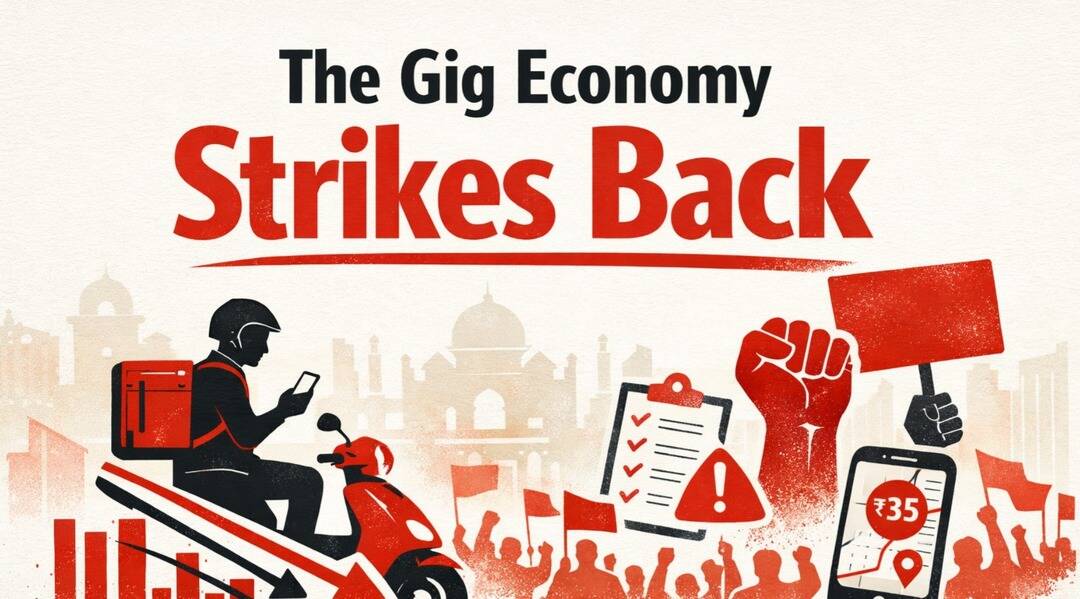
Indian gig economy strikes back, exposing a broken model
The Indian gig economy, which has been thriving in recent years, has hit a roadblock. In December, around 40,000 delivery workers joined nationwide strikes, disrupting 50–60% of orders in several cities. The workers, who are the backbone of the gig economy, cited low and unstable pay, strict app control, and weak protections as the reasons for their strike. This massive protest has brought to the forefront the widening gap between convenience and fairness in India’s digital jobs.
The gig economy, which includes companies like Zomato, Swiggy, and Uber, has been growing rapidly in India. These companies have made it convenient for people to order food, book cabs, and avail other services with just a few clicks on their smartphones. However, the workers who make this convenience possible have been struggling to make ends meet. They work long hours, often in harsh weather conditions, and are paid meager amounts.
The strike, which was called by various workers’ unions, highlighted the plight of these workers. They demanded better pay, more flexible working hours, and stronger protections from the companies they work for. The workers also complained about the strict control exerted by the companies through their apps, which dictate everything from the routes they take to the time they have to deliver orders.
The companies, on the other hand, have defended their growth and the opportunities they provide to workers. They claim that they offer flexible working hours and the chance to earn a decent income. However, the reality on the ground is different. Many workers have reported earning less than the minimum wage, and the companies’ algorithms often prioritize speed and efficiency over fairness and safety.
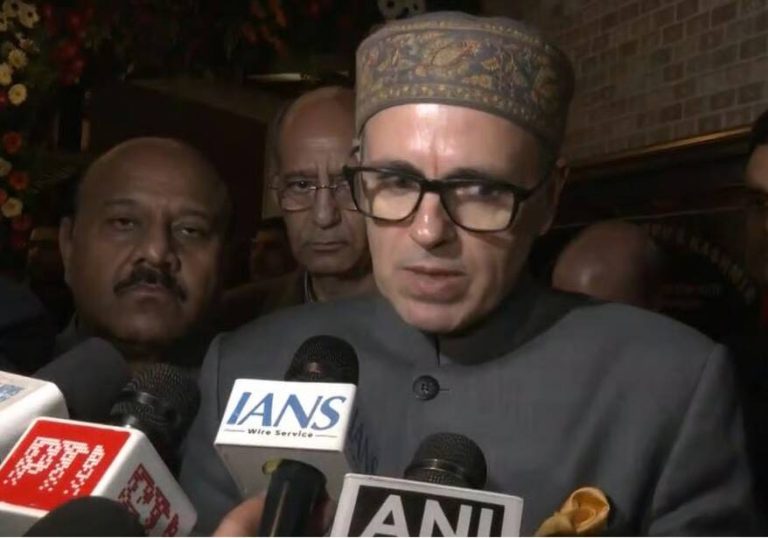
The strike has also put the spotlight on the role of politicians in regulating the gig economy. The government has been criticized for not doing enough to protect the rights of gig workers. The labor laws in India are outdated and do not cover gig workers, leaving them vulnerable to exploitation. The politicians have intervened in the strike, with some promising to look into the workers’ demands and others accusing the companies of exploiting their workers.
The Indian gig economy is not an isolated case. The global gig economy has been facing similar challenges, with workers in countries like the United States, the United Kingdom, and Australia also protesting against low pay and poor working conditions. The issue is complex, and there are no easy solutions. However, one thing is clear: the current model of the gig economy is broken, and it needs to be fixed.
The companies need to take a more nuanced approach to their business model, one that balances convenience with fairness. They need to recognize the value of their workers and provide them with better pay, more flexible working hours, and stronger protections. The government also needs to step in and regulate the gig economy, ensuring that workers are protected and their rights are respected.
The strike by Indian gig workers is a wake-up call for the industry. It highlights the need for a more sustainable and equitable model, one that benefits both the companies and the workers. As the gig economy continues to grow, it is essential to address the issues faced by workers and create a more just and fair system.
In conclusion, the Indian gig economy strike is a significant event that exposes the broken model of the gig economy. The strike highlights the need for better pay, more flexible working hours, and stronger protections for workers. The companies and the government need to work together to create a more sustainable and equitable model, one that balances convenience with fairness. As the gig economy continues to evolve, it is essential to prioritize the well-being of workers and create a system that benefits everyone involved.
Read more about the Indian gig economy strike and its implications at https://ascendants.in/industry_events/indian-gig-economy-strikes-platforms-policy/
News Source: https://ascendants.in/industry_events/indian-gig-economy-strikes-platforms-policy/
About the Author