How does a stage-gate model cut product-launch failures?
The stage-gate model is a widely used methodology in product development that helps organizations to systematically and efficiently manage the development process of new products or services. This model divides the development process into structured phases, each with a specific set of activities and deliverables, and a go/no-go review at the end of each phase. The stage-gate model has been proven to be an effective way to reduce product-launch failures, and in this blog post, we will explore how it achieves this.
The Five Phases of the Stage-Gate Model
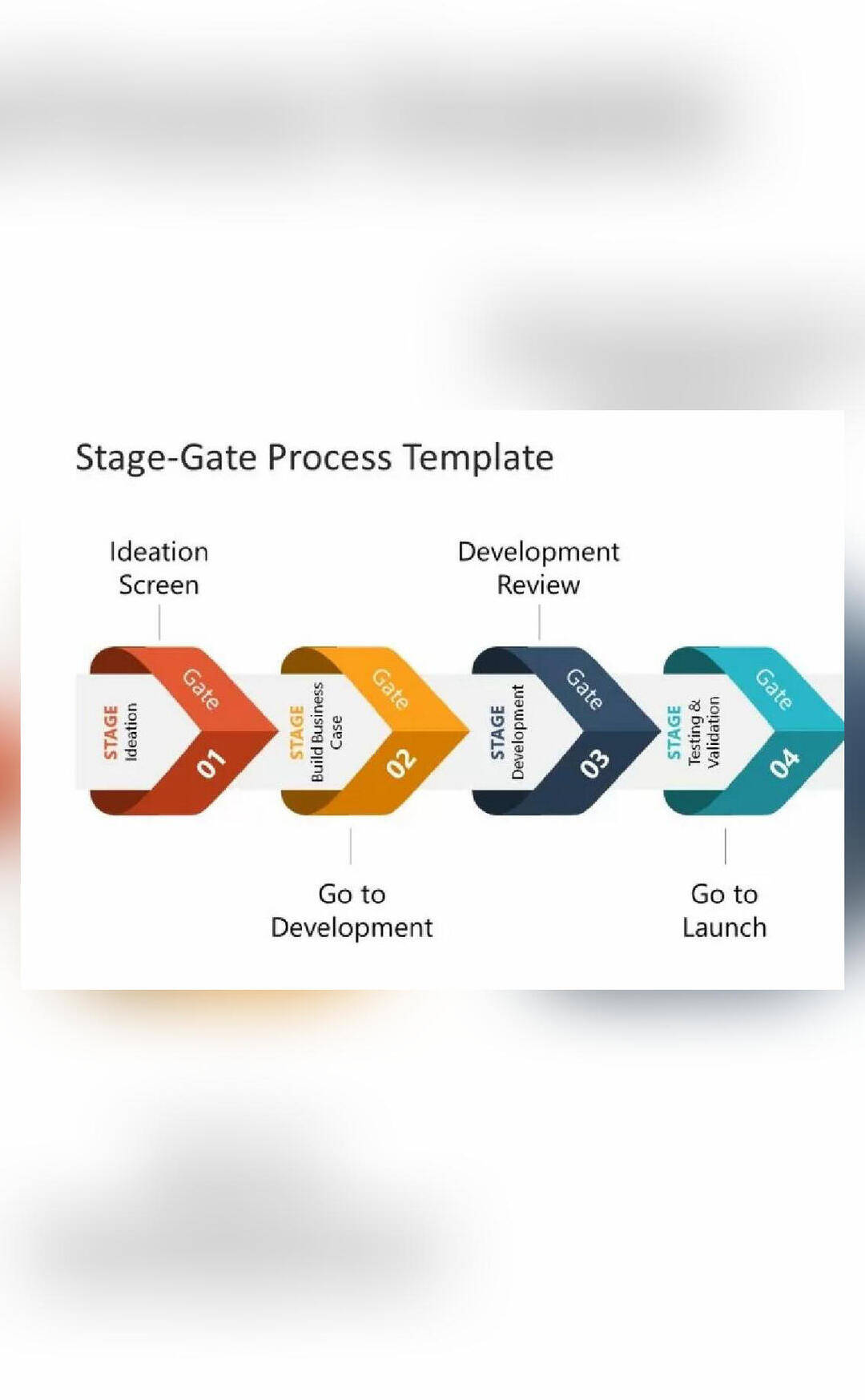
The stage-gate model consists of five phases: idea, scoping, feasibility, development, validation, and launch. Each phase has a specific set of objectives, activities, and deliverables, and a go/no-go review at the end of each phase to determine whether the project should proceed to the next phase.
- Idea Phase: This is the initial phase where ideas for new products or services are generated. The objective of this phase is to identify potential opportunities and to develop a preliminary business case.
- Scoping Phase: In this phase, the idea is further developed, and a preliminary definition of the product or service is created. The objective of this phase is to determine the feasibility of the project and to identify potential risks and challenges.
- Feasibility Phase: This phase involves a more detailed analysis of the project’s feasibility, including market research, technical feasibility, and financial viability. The objective of this phase is to determine whether the project is viable and whether it aligns with the organization’s strategic objectives.
- Development Phase: In this phase, the product or service is developed, and a prototype is created. The objective of this phase is to create a fully functional product or service that meets the requirements and specifications defined in the previous phases.
- Validation Phase: This phase involves testing and validating the product or service with a small group of customers or users. The objective of this phase is to validate the product or service and to identify any potential issues or areas for improvement.
- Launch Phase: This is the final phase where the product or service is launched into the market. The objective of this phase is to successfully launch the product or service and to achieve the desired market penetration and revenue goals.
How the Stage-Gate Model Cuts Product-Launch Failures
The stage-gate model cuts product-launch failures in several ways:
- Prevents Over-Investment in Weak Ideas: The stage-gate model prevents teams from over-investing in weak ideas by requiring a go/no-go review at the end of each phase. This ensures that only projects that have a high potential for success are allowed to proceed to the next phase.
- Forces Early Market Checks: The stage-gate model forces early market checks, which helps to validate the product or service with potential customers and to identify any potential issues or areas for improvement.
- Risk Analysis: The stage-gate model requires a detailed risk analysis to be conducted at each phase, which helps to identify potential risks and to develop strategies to mitigate them.
- Resource Alignment: The stage-gate model ensures that resources are aligned with the project’s objectives and that the necessary resources are allocated to the project.
- De-Risks Launches: The stage-gate model de-risks launches by ensuring that the product or service has been thoroughly tested and validated before it is launched into the market.
- Speeds Up Execution: The stage-gate model speeds up execution by ensuring that the development process is structured and efficient, and that each phase is completed before proceeding to the next phase.
Benefits of the Stage-Gate Model
The stage-gate model has several benefits, including:
- Improved Success Rate: The stage-gate model improves the success rate of product launches by ensuring that only projects that have a high potential for success are allowed to proceed to the next phase.
- Reduced Time-to-Market: The stage-gate model reduces the time-to-market by ensuring that the development process is structured and efficient.
- Reduced Costs: The stage-gate model reduces costs by preventing over-investment in weak ideas and by ensuring that resources are aligned with the project’s objectives.
- Improved Quality: The stage-gate model improves the quality of the product or service by ensuring that it is thoroughly tested and validated before it is launched into the market.
Conclusion
In conclusion, the stage-gate model is a widely used methodology in product development that helps organizations to systematically and efficiently manage the development process of new products or services. The stage-gate model cuts product-launch failures by preventing over-investment in weak ideas, forcing early market checks, risk analysis, and resource alignment. Organizations that use the stage-gate model can de-risk launches, speed up execution, and ensure that only validated concepts reach the market. By following the stage-gate model, organizations can improve the success rate of product launches, reduce time-to-market, reduce costs, and improve the quality of the product or service.
Source: https://www.growthjockey.com/blogs/stage-gate-model
About the Author