How does a stage-gate model cut product-launch failures?
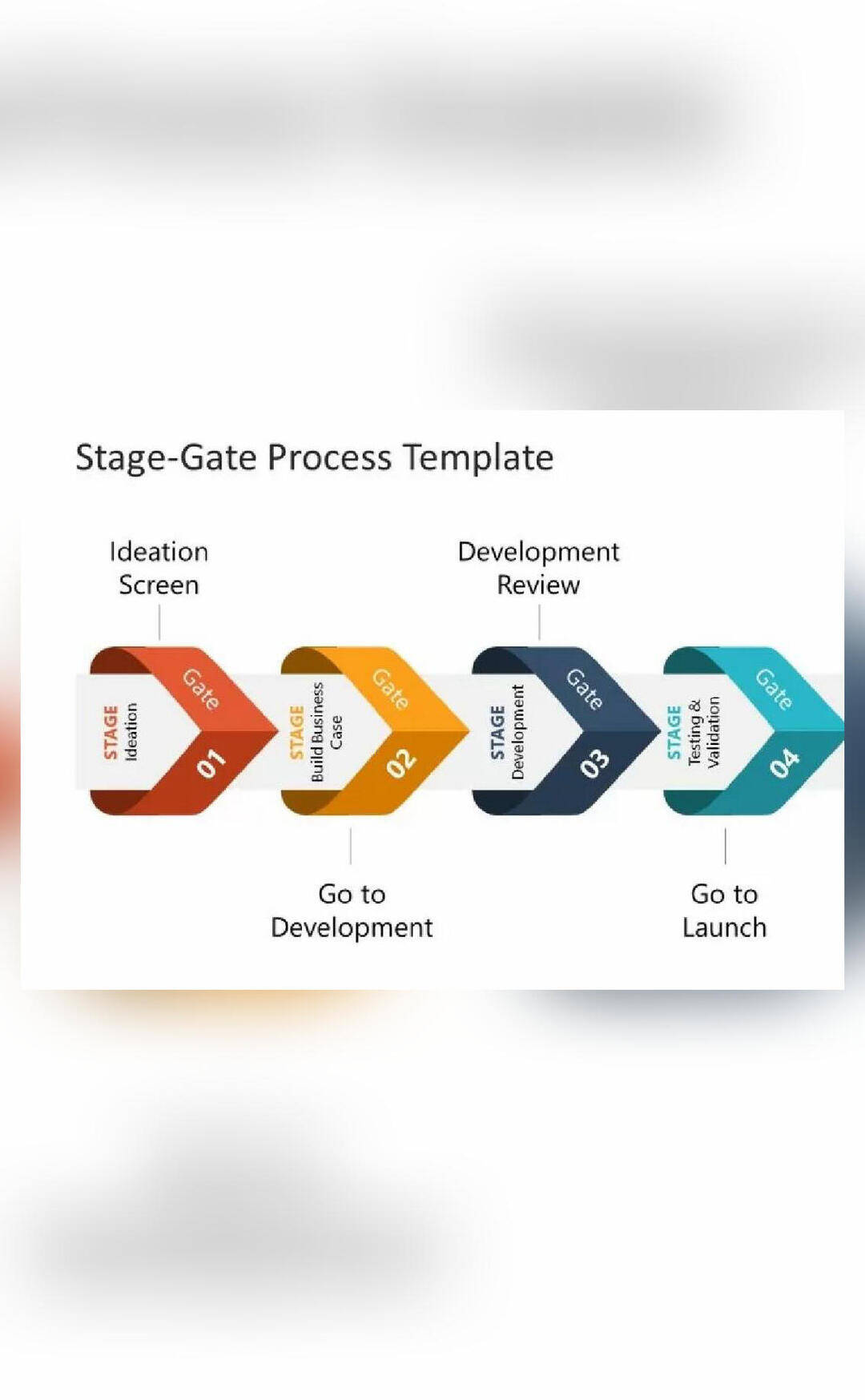
The stage-gate model is a widely used methodology in product development that helps organizations to systematically and efficiently manage the development process, from idea generation to launch. By dividing the development process into structured phases, each with a go/no-go review, the stage-gate model prevents teams from over-investing in weak ideas and forces early market checks, risk analysis, and resource alignment. In this blog post, we will explore how the stage-gate model can help cut product-launch failures and provide a framework for successful product development.
The Stage-Gate Model: An Overview
The stage-gate model consists of five to seven stages, each with a specific set of activities and deliverables. The stages are:
- Idea: This stage involves generating and capturing ideas for new products or services. The ideas are typically sourced from a variety of sources, including customers, sales teams, and research and development teams.
- Scoping: In this stage, the ideas generated in the previous stage are evaluated and prioritized. The scoping stage involves defining the project scope, identifying the target market, and determining the business case for the product.
- Feasibility: The feasibility stage involves conducting a detailed analysis of the product’s technical, financial, and operational feasibility. This stage helps to identify potential roadblocks and determine whether the product can be developed and launched successfully.
- Development: In this stage, the product is designed, developed, and tested. The development stage involves creating prototypes, conducting user testing, and refining the product based on feedback.
- Validation: The validation stage involves testing the product with a larger group of users to validate its performance, quality, and market demand.
- Launch: The final stage involves launching the product to the market. This stage involves developing a marketing and sales strategy, setting up distribution channels, and providing post-launch support.
How the Stage-Gate Model Cuts Product-Launch Failures
The stage-gate model cuts product-launch failures in several ways:
- Prevents Over-Investment in Weak Ideas: The stage-gate model forces teams to evaluate and prioritize ideas at each stage, preventing over-investment in weak ideas. By conducting regular go/no-go reviews, teams can kill weak ideas early on, reducing the risk of investing time and resources in products that are unlikely to succeed.
- Forces Early Market Checks: The stage-gate model involves conducting market checks at each stage, ensuring that the product meets customer needs and is viable in the market. This helps to identify potential market risks and adjust the product development strategy accordingly.
- Encourages Risk Analysis: The stage-gate model encourages teams to conduct risk analysis at each stage, identifying potential technical, financial, and operational risks. By mitigating these risks early on, teams can reduce the likelihood of product-launch failures.
- Ensures Resource Alignment: The stage-gate model ensures that resources are aligned with the product development strategy. By prioritizing projects and allocating resources accordingly, teams can ensure that the right resources are dedicated to the right projects.
- De-Risks Launches: The stage-gate model de-risks launches by ensuring that products are thoroughly tested and validated before launch. By conducting rigorous testing and validation, teams can identify and fix defects, reducing the risk of product-launch failures.
Benefits of the Stage-Gate Model
The stage-gate model offers several benefits, including:
- Improved Product Quality: The stage-gate model ensures that products are thoroughly tested and validated, resulting in higher quality products.
- Reduced Time-to-Market: The stage-gate model helps to reduce the time-to-market by streamlining the product development process and eliminating unnecessary activities.
- Increased Efficiency: The stage-gate model improves efficiency by ensuring that resources are allocated to the right projects and that teams are working on the right activities.
- Better Resource Allocation: The stage-gate model ensures that resources are allocated to the right projects, reducing waste and improving resource utilization.
- Improved Customer Satisfaction: The stage-gate model ensures that products meet customer needs, resulting in higher customer satisfaction and loyalty.
Conclusion
The stage-gate model is a powerful tool for managing product development and reducing the risk of product-launch failures. By dividing the development process into structured phases, each with a go/no-go review, the stage-gate model prevents teams from over-investing in weak ideas and forces early market checks, risk analysis, and resource alignment. Organizations that use the stage-gate model can de-risk launches, speed up execution, and ensure that only validated concepts reach the market. By adopting the stage-gate model, organizations can improve product quality, reduce time-to-market, increase efficiency, and improve customer satisfaction.
News Source: https://www.growthjockey.com/blogs/stage-gate-model
About the Author