How does a stage-gate model cut product-launch failures?
The thrill of launching a new product is always accompanied by a degree of uncertainty. Will it resonate with the target audience? Will it meet the expected sales projections? The stakes are high, and the consequences of failure can be severe. According to a study, up to 80% of new products fail to meet their expected sales targets. This staggering statistic highlights the importance of having a robust product development process in place. One approach that has gained popularity in recent years is the stage-gate model. In this blog post, we will delve into the world of stage-gate models and explore how they can help cut product-launch failures.
What is a stage-gate model?
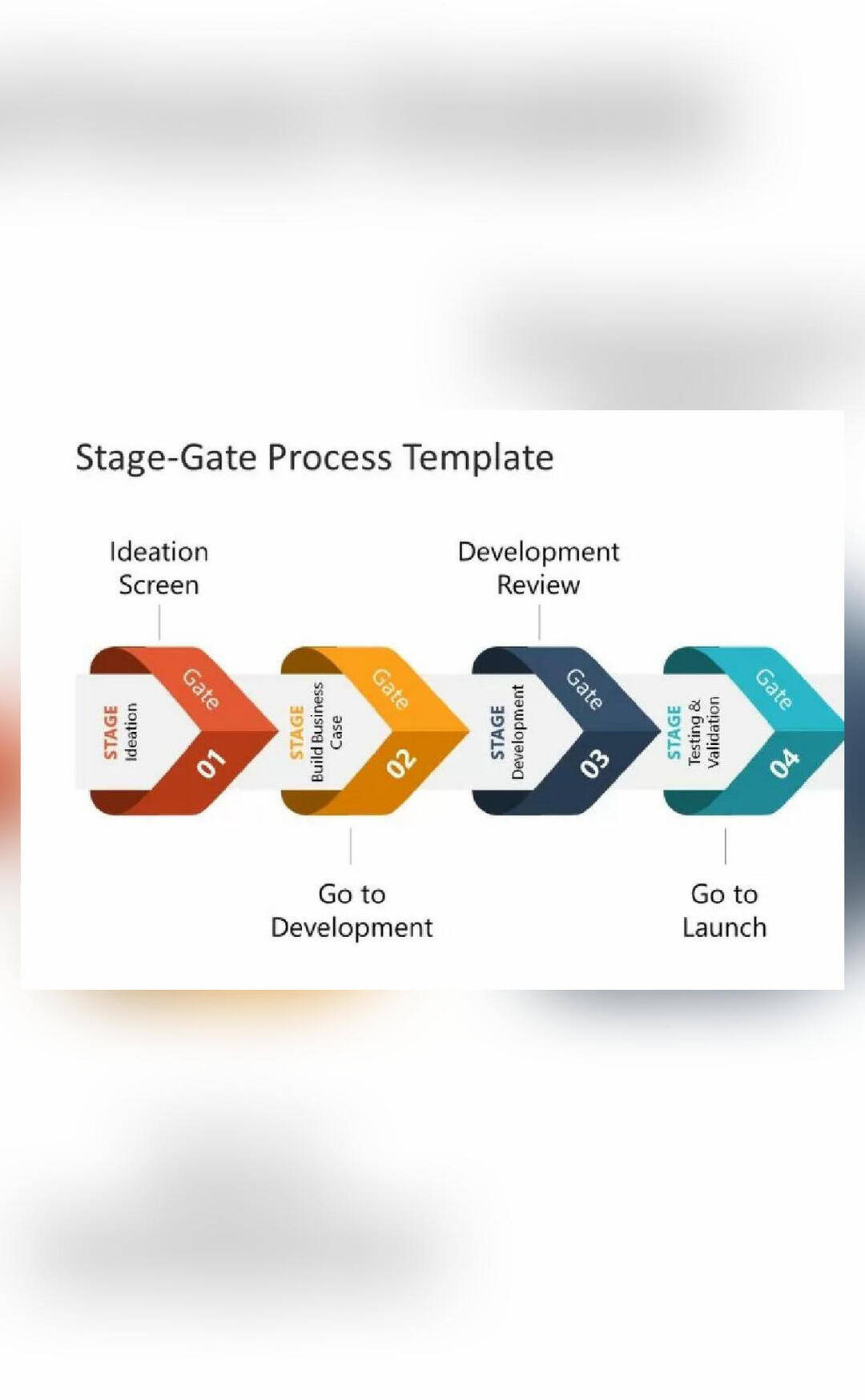
The stage-gate model is a phased approach to product development that divides the process into distinct stages, each with its own set of activities and deliverables. The model is designed to ensure that only the most promising ideas are pursued, while weak concepts are killed off early in the process. The stage-gate model typically consists of five stages: idea, scoping, feasibility, development, validation, and launch. Each stage is followed by a go/no-go review, which determines whether the project should proceed to the next stage or be terminated.
The stages of the stage-gate model
Let’s take a closer look at each stage of the stage-gate model:
- Idea: This is the initial stage where ideas are generated and captured. The goal is to identify potential opportunities and concepts that can be developed into new products.
- Scoping: In this stage, the idea is refined, and the project’s objectives, scope, and deliverables are defined. The scoping stage helps to determine whether the idea is worth pursuing and whether it aligns with the company’s strategic objectives.
- Feasibility: This stage involves conducting a thorough analysis of the project’s feasibility, including technical, financial, and market feasibility. The goal is to determine whether the project is viable and whether it can be completed within the given time and budget constraints.
- Development: In this stage, the product is designed, developed, and tested. The development stage is where the bulk of the project’s resources are invested, and it’s essential to ensure that the project is on track to meet its objectives.
- Validation: This stage involves testing the product with a small group of customers to validate its features, functionality, and market demand. The validation stage helps to reduce the risk of launching a product that may not meet customer needs.
- Launch: The final stage is where the product is launched into the market. The launch stage involves a range of activities, including marketing, sales, and distribution.
The benefits of the stage-gate model
So, how does the stage-gate model cut product-launch failures? The answer lies in its ability to:
- Prevent over-investment in weak ideas: The stage-gate model ensures that only the most promising ideas are pursued, while weak concepts are killed off early in the process. This prevents teams from over-investing in ideas that may not have a high chance of success.
- Force early market checks: The stage-gate model involves conducting market checks and validation at each stage, which helps to ensure that the product meets customer needs and is viable in the market.
- Conduct risk analysis: The stage-gate model involves conducting thorough risk analysis at each stage, which helps to identify potential risks and develop strategies to mitigate them.
- Ensure resource alignment: The stage-gate model ensures that resources are allocated efficiently and effectively, which helps to prevent waste and ensure that the project is completed within the given time and budget constraints.
Real-world examples of the stage-gate model in action
The stage-gate model has been successfully implemented by a range of organizations, including:
- Procter & Gamble: The company uses a stage-gate model to develop new products, which has helped to increase its success rate and reduce the time-to-market.
- 3M: The company uses a stage-gate model to develop new products, which has helped to increase its innovation pipeline and reduce the risk of product-launch failures.
- Google: The company uses a stage-gate model to develop new products, which has helped to increase its success rate and reduce the time-to-market.
Conclusion
In conclusion, the stage-gate model is a powerful tool for cutting product-launch failures. By dividing the development process into structured phases, each with its own set of activities and deliverables, organizations can ensure that only the most promising ideas are pursued, while weak concepts are killed off early in the process. The stage-gate model forces early market checks, risk analysis, and resource alignment, which helps to de-risk launches, speed up execution, and ensure that only validated concepts reach the market. Whether you’re a startup or a large corporation, the stage-gate model is an essential tool for anyone looking to launch new products and services.
News source: https://www.growthjockey.com/blogs/stage-gate-model
About the Author