How does a stage-gate model cut product-launch failures?
The stage-gate model is a widely used product development process that has been proven to reduce the risk of product-launch failures. By dividing the development process into structured phases, each with a go/no-go review, teams can ensure that only validated concepts reach the market. In this blog post, we will explore how the stage-gate model works and how it can help organisations de-risk launches, speed up execution, and prevent over-investment in weak ideas.
What is the stage-gate model?
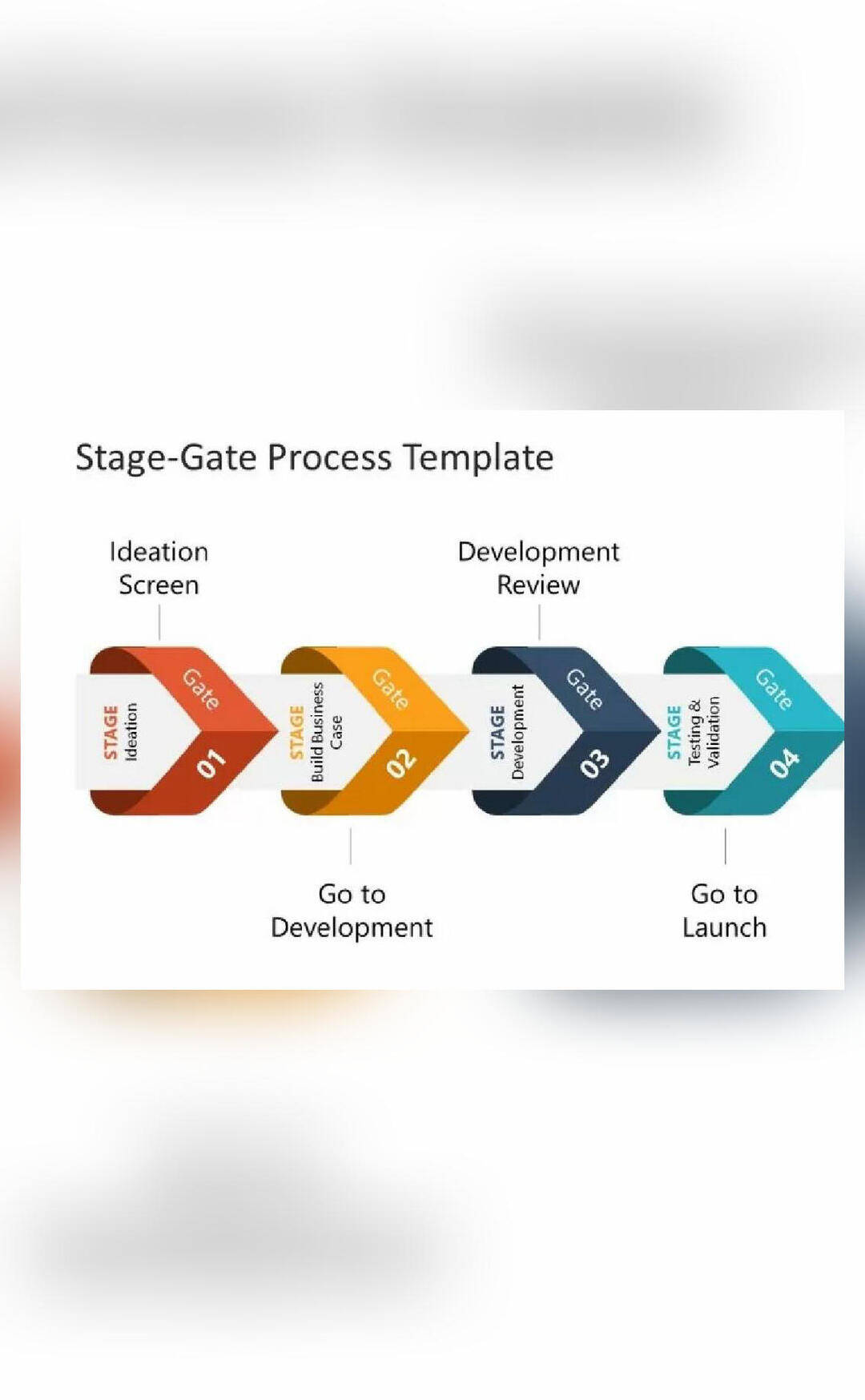
The stage-gate model is a phased approach to product development, where each phase is designed to build on the previous one, with a review gate at the end of each phase. The model typically consists of five phases: idea, scoping, feasibility, development, validation, and launch. Each phase has a specific set of activities, deliverables, and review criteria that must be met before the project can proceed to the next phase.
The stage-gate model is designed to ensure that projects are thoroughly evaluated at each phase, and that only projects that meet the required criteria are allowed to proceed. This approach helps to prevent teams from over-investing in weak ideas, and ensures that resources are allocated to projects that have a high potential for success.
How does the stage-gate model work?
The stage-gate model works by dividing the product development process into a series of structured phases, each with a specific set of objectives and deliverables. Here is an overview of each phase:
- Idea phase: This is the initial phase, where ideas are generated and evaluated. The objective of this phase is to identify potential opportunities and to determine whether they are worth pursuing.
- Scoping phase: In this phase, the idea is further developed, and the project scope is defined. The objective of this phase is to determine whether the project is feasible, and to identify any potential risks or challenges.
- Feasibility phase: This phase involves a detailed evaluation of the project’s technical and financial feasibility. The objective of this phase is to determine whether the project can be completed on time, within budget, and to the required quality standards.
- Development phase: In this phase, the project is developed, and the product is created. The objective of this phase is to ensure that the product meets the required specifications and quality standards.
- Validation phase: This phase involves testing and validating the product, to ensure that it meets the customer’s needs and expectations. The objective of this phase is to ensure that the product is ready for launch.
- Launch phase: In this final phase, the product is launched, and the project is completed. The objective of this phase is to ensure that the product is successfully introduced to the market, and that it meets the required sales and revenue targets.
Benefits of the stage-gate model
The stage-gate model has several benefits, including:
- Reduced risk: By evaluating projects at each phase, the stage-gate model helps to reduce the risk of product-launch failures.
- Improved resource allocation: The stage-gate model ensures that resources are allocated to projects that have a high potential for success, and that weak ideas are eliminated early on.
- Faster execution: The stage-gate model helps to speed up the product development process, by ensuring that projects are thoroughly evaluated and that any issues are identified and addressed early on.
- Increased customer satisfaction: The stage-gate model helps to ensure that products meet the customer’s needs and expectations, by involving customers in the development process and by testing and validating the product before launch.
Case studies
Several organisations have successfully implemented the stage-gate model, and have seen significant benefits as a result. For example, a leading consumer goods company used the stage-gate model to develop a new product, and was able to reduce the development time by 30% and the launch costs by 25%. Another company, a leading technology firm, used the stage-gate model to develop a new software product, and was able to increase the product’s quality and reliability by 40%.
Conclusion
The stage-gate model is a proven approach to product development, that can help organisations to reduce the risk of product-launch failures, improve resource allocation, speed up execution, and increase customer satisfaction. By dividing the development process into structured phases, each with a go/no-go review, teams can ensure that only validated concepts reach the market. Organisations that use the stage-gate model can de-risk launches, speed up execution, and ensure that resources are allocated to projects that have a high potential for success.
For more information on the stage-gate model and how it can help your organisation to improve its product development process, please visit: https://www.growthjockey.com/blogs/stage-gate-model
News Source: https://www.growthjockey.com/blogs/stage-gate-model
About the Author