How does a stage-gate model cut product-launch failures?
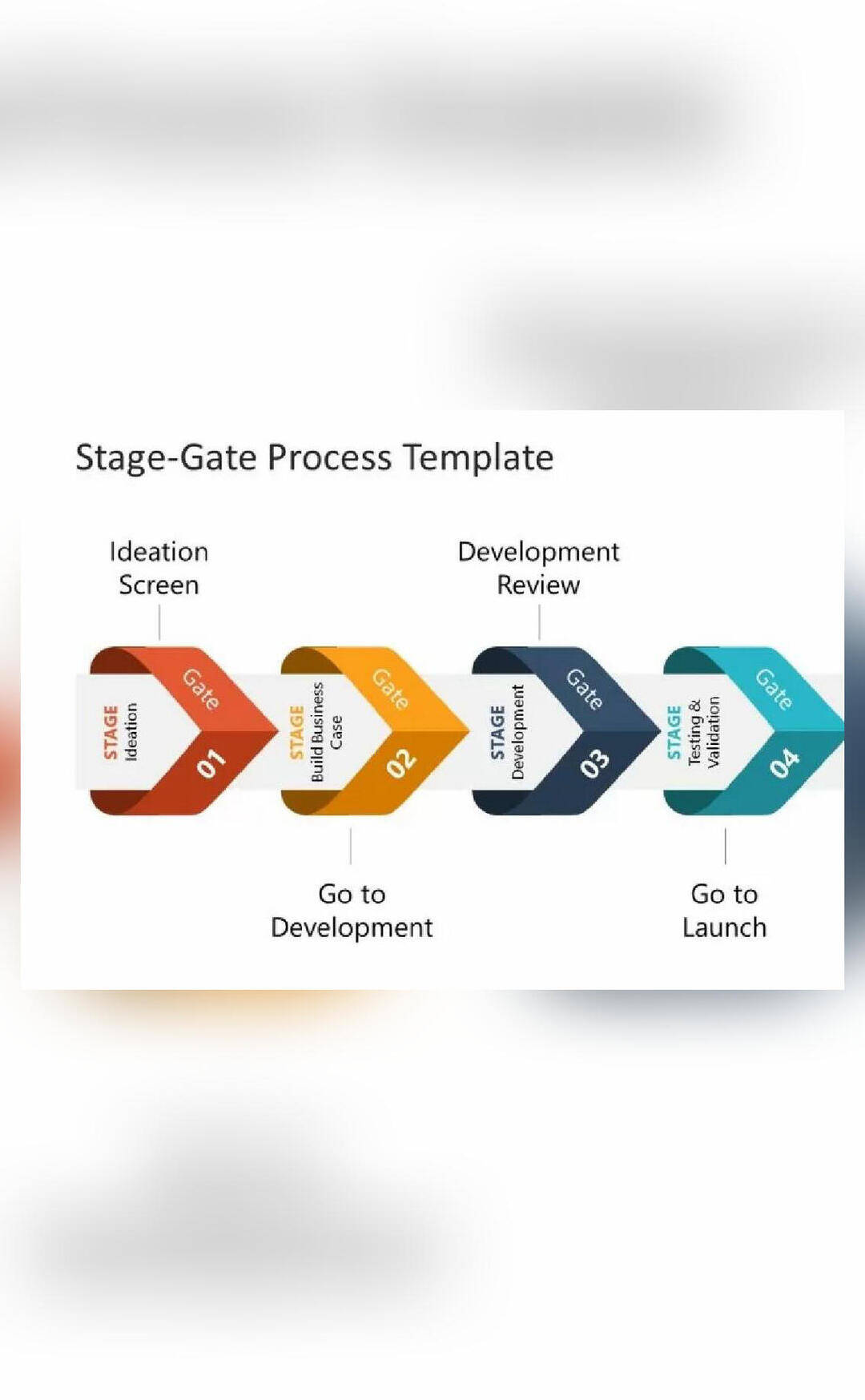
The stage-gate model is a widely used approach in product development that helps organizations to systematically and efficiently bring new products to market. By dividing the development process into structured phases, each with a go/no-go review, the stage-gate model prevents teams from over-investing in weak ideas and forces early market checks, risk analysis, and resource alignment. In this blog post, we will explore how the stage-gate model can help organizations de-risk launches, speed up execution, and ensure that only validated concepts reach the market.
What is the stage-gate model?
The stage-gate model is a phased approach to product development that consists of five distinct stages: idea, scoping, feasibility, development, validation, and launch. Each stage is separated by a gate, which is a review point where the project is evaluated against specific criteria to determine whether it should proceed to the next stage. The gates are designed to ensure that the project meets the organization’s strategic objectives, is feasible from a technical and financial perspective, and has a high likelihood of success in the market.
Stage 1: Idea
The idea stage is the first stage of the stage-gate model, where new product ideas are generated and initial feasibility assessments are conducted. During this stage, cross-functional teams come together to brainstorm and identify potential new product opportunities. The ideas are then evaluated against a set of criteria, such as market demand, competition, technical feasibility, and financial potential. The output of this stage is a list of prioritized ideas that are worthy of further investigation.
Stage 2: Scoping
The scoping stage is where the selected ideas are further developed and refined. During this stage, the project team conducts market research, customer interviews, and technical assessments to validate the idea and define the product requirements. The output of this stage is a detailed product specification, including the product’s features, benefits, and target price point.
Stage 3: Feasibility
The feasibility stage is where the project team conducts a thorough technical and financial evaluation of the product concept. During this stage, the team assesses the product’s technical feasibility, including the development costs, production costs, and potential risks. The team also conducts a financial evaluation, including the expected revenue, profit margins, and return on investment. The output of this stage is a feasibility report that outlines the potential risks and rewards of the project.
Stage 4: Development
The development stage is where the product is designed, developed, and tested. During this stage, the project team works closely with stakeholders to ensure that the product meets the defined requirements and is developed on time and within budget. The output of this stage is a fully functional product that is ready for launch.
Stage 5: Validation
The validation stage is where the product is tested with a small group of customers to validate its performance, quality, and market acceptance. During this stage, the project team collects feedback from customers and makes any necessary adjustments to the product before launch. The output of this stage is a validated product that is ready for launch.
Stage 6: Launch
The launch stage is where the product is introduced to the market. During this stage, the project team works closely with sales, marketing, and distribution teams to ensure a successful launch. The output of this stage is a successfully launched product that meets customer needs and generates revenue for the organization.
Benefits of the stage-gate model
The stage-gate model offers several benefits to organizations, including:
- De-risking launches: By conducting thorough market checks, risk analysis, and resource alignment at each stage, the stage-gate model helps organizations to de-risk launches and avoid costly mistakes.
- Speeding up execution: The stage-gate model helps organizations to speed up execution by providing a clear and structured approach to product development.
- Ensuring validated concepts: The stage-gate model ensures that only validated concepts reach the market, which reduces the risk of product failure and improves the overall success rate of new product launches.
Conclusion
In conclusion, the stage-gate model is a powerful approach to product development that can help organizations to de-risk launches, speed up execution, and ensure that only validated concepts reach the market. By dividing the development process into structured phases, each with a go/no-go review, the stage-gate model prevents teams from over-investing in weak ideas and forces early market checks, risk analysis, and resource alignment. Organizations that use the stage-gate model can improve their new product success rates, reduce the risk of product failure, and increase their competitiveness in the market.
For more information on how to implement the stage-gate model in your organization, please visit: https://www.growthjockey.com/blogs/stage-gate-model
News Source: https://www.growthjockey.com/blogs/stage-gate-model
About the Author