How does a stage-gate model cut product-launch failures?
Product development and launch are critical components of any business’s growth strategy. However, the process of bringing a new product to market can be fraught with risks, uncertainties, and potential pitfalls. One of the most significant challenges companies face is the high rate of product-launch failures. According to various studies, up to 80% of new products fail to meet their expected sales targets, resulting in significant financial losses and damage to a company’s reputation.
To mitigate these risks and increase the chances of a successful product launch, many organizations have adopted the stage-gate model. This structured approach to product development divides the process into distinct phases, each with a clear set of objectives, timelines, and evaluation criteria. By following the stage-gate model, companies can de-risk their product launches, speed up execution, and ensure that only validated concepts reach the market.
What is the stage-gate model?
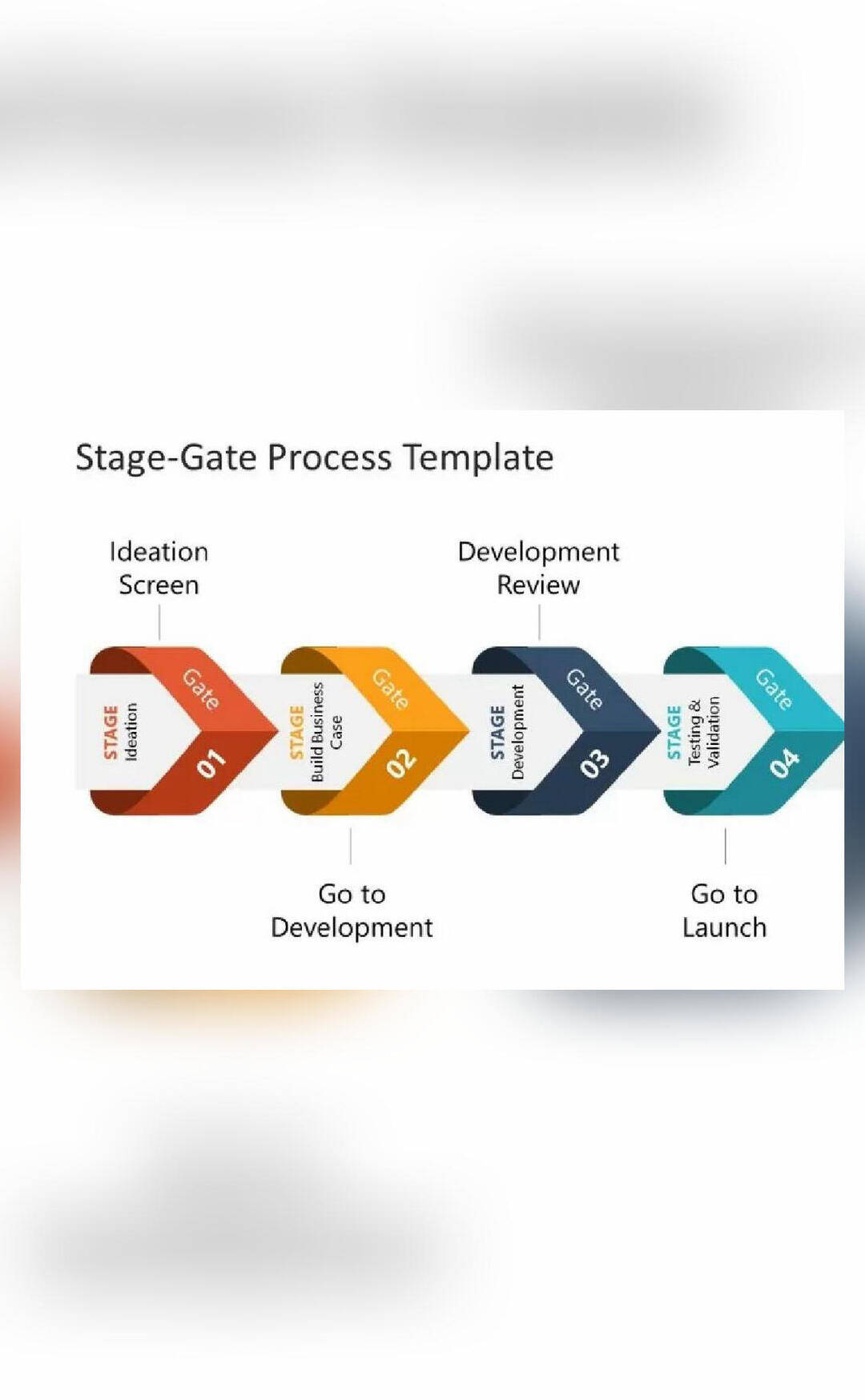
The stage-gate model is a product development process that consists of a series of structured phases, each with a specific set of activities and deliverables. The model typically includes the following stages:
- Idea: This is the initial stage where ideas for new products or services are generated and documented. The idea stage is all about brainstorming, researching, and identifying potential opportunities.
- Scoping: In this stage, the idea is refined, and a preliminary business case is developed. The scoping stage involves defining the product’s features, benefits, and target market.
- Feasibility: This stage involves evaluating the technical, financial, and operational feasibility of the product. The feasibility stage is critical in determining whether the product can be developed and launched successfully.
- Development: In this stage, the product is designed, developed, and tested. The development stage involves creating prototypes, conducting user testing, and refining the product’s features and functionality.
- Validation: This stage involves testing the product with a larger audience, gathering feedback, and validating the product’s market potential. The validation stage is critical in determining whether the product meets customer needs and expectations.
- Launch: This is the final stage where the product is launched into the market. The launch stage involves developing a marketing strategy, creating sales materials, and executing the launch plan.
Each stage in the stage-gate model has a go/no-go review, which is a critical evaluation point where the project is assessed against pre-defined criteria. The go/no-go review ensures that the project is on track, and that the company is not over-investing in a weak idea.
How does the stage-gate model cut product-launch failures?
The stage-gate model cuts product-launch failures in several ways:
- Early market checks: The stage-gate model involves early market checks, which help companies validate their ideas and products with potential customers. This ensures that the product meets customer needs and expectations, reducing the risk of launch failure.
- Risk analysis: The stage-gate model involves a thorough risk analysis at each stage, which helps companies identify and mitigate potential risks. This ensures that companies are aware of the potential pitfalls and can take proactive measures to address them.
- Resource alignment: The stage-gate model ensures that resources are aligned with the project’s objectives and timelines. This ensures that companies are not over-investing in weak ideas and that resources are allocated efficiently.
- Go/no-go reviews: The go/no-go reviews at each stage ensure that the project is on track and that the company is not over-investing in a weak idea. This helps companies to kill weak projects early, reducing the risk of launch failure.
- Structured approach: The stage-gate model provides a structured approach to product development, which ensures that companies follow a disciplined and systematic approach to launching new products.
Benefits of the stage-gate model
The stage-gate model offers several benefits, including:
- Reduced risk: The stage-gate model reduces the risk of product-launch failures by involving early market checks, risk analysis, and go/no-go reviews.
- Faster execution: The stage-gate model enables companies to execute product launches faster by providing a structured approach to product development.
- Improved resource allocation: The stage-gate model ensures that resources are allocated efficiently, reducing waste and improving productivity.
- Increased success rates: The stage-gate model increases the success rates of product launches by ensuring that only validated concepts reach the market.
Conclusion
The stage-gate model is a structured approach to product development that can help companies de-risk their product launches, speed up execution, and ensure that only validated concepts reach the market. By following the stage-gate model, companies can reduce the risk of product-launch failures, improve resource allocation, and increase the success rates of their product launches. Whether you are a startup or an established company, the stage-gate model is an essential tool for anyone looking to launch new products successfully.
News Source: https://www.growthjockey.com/blogs/stage-gate-model
About the Author