How does a stage-gate model cut product-launch failures?
The stage-gate model is a widely used methodology for managing the development and launch of new products. It divides the development process into structured phases, each with a specific set of activities and deliverables. The model is designed to prevent teams from over-investing in weak ideas and to ensure that only validated concepts reach the market. In this blog post, we will explore the stage-gate model in detail and discuss how it can help organizations de-risk launches, speed up execution, and improve the overall success rate of new product launches.
The Stage-Gate Model: An Overview
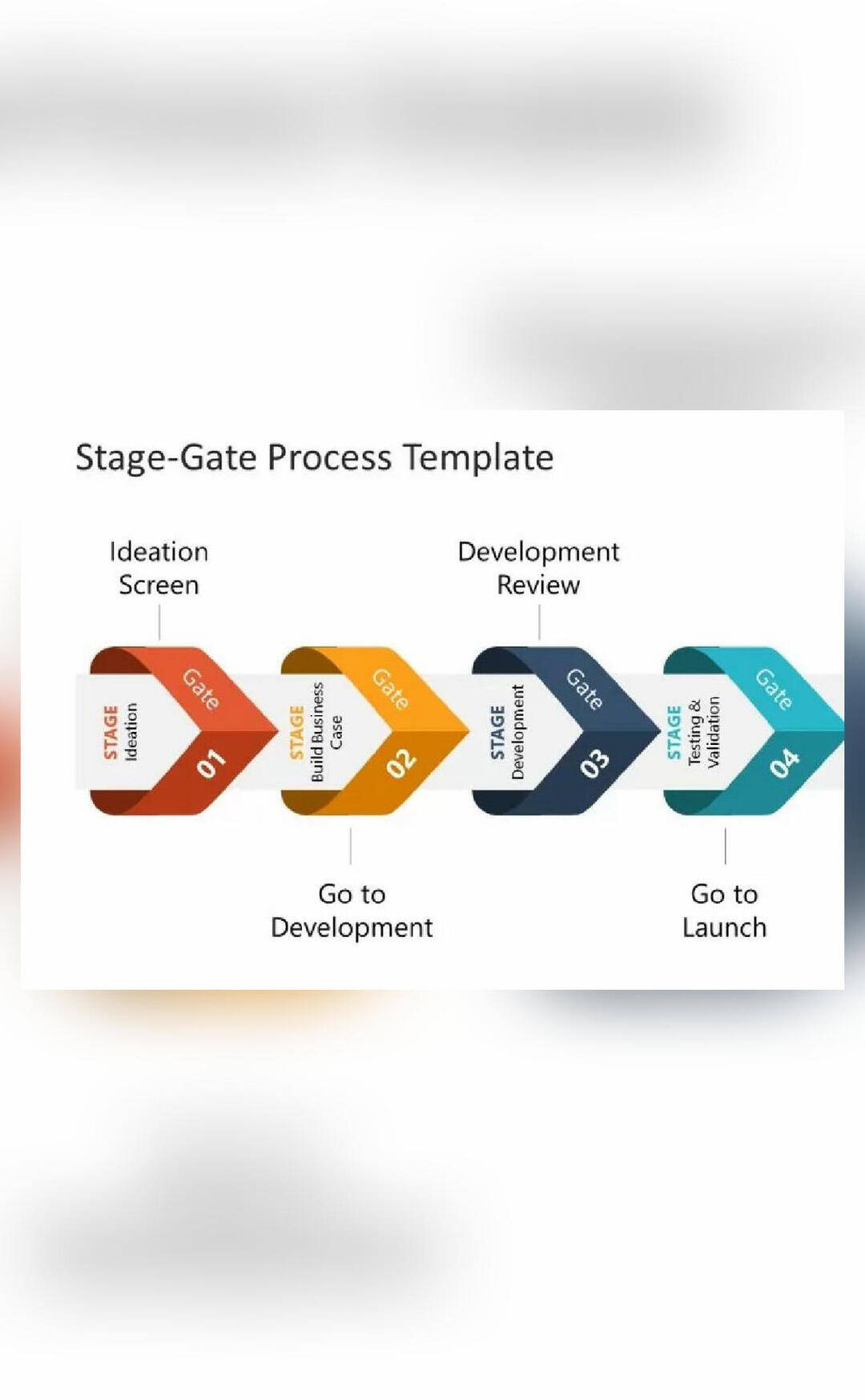
The stage-gate model consists of five distinct phases: idea, scoping, feasibility, development, validation, and launch. Each phase is separated by a gate, which serves as a review point to determine whether the project should proceed to the next phase. The gates are critical to the stage-gate model, as they provide a framework for evaluating the project’s progress and making informed decisions about whether to continue investing in the project.
The five phases of the stage-gate model are:
- Idea: This is the initial phase, where ideas for new products are generated and captured. The idea phase is all about brainstorming and coming up with innovative solutions to customer problems.
- Scoping: In this phase, the idea is reviewed and refined. The scoping phase involves conducting preliminary market research, defining the product’s features and benefits, and estimating the resources required to develop the product.
- Feasibility: The feasibility phase is where the product’s technical and financial viability is assessed. This phase involves conducting a detailed market analysis, defining the product’s specifications, and developing a business case for the product.
- Development: In this phase, the product is designed, developed, and tested. The development phase involves creating prototypes, conducting alpha and beta testing, and refining the product based on feedback from customers and stakeholders.
- Validation: The validation phase is where the product is tested with a larger group of customers to validate its market acceptance. This phase involves conducting pilot launches, gathering feedback from customers, and making any final adjustments to the product before launch.
- Launch: The final phase is the launch phase, where the product is released to the market. The launch phase involves executing the marketing and sales plan, providing customer support, and monitoring the product’s performance in the market.
How the Stage-Gate Model Cuts Product-Launch Failures
The stage-gate model is designed to cut product-launch failures by preventing teams from over-investing in weak ideas. Here are some ways the model achieves this:
- Early market checks: The stage-gate model requires teams to conduct market research and gather feedback from customers early in the development process. This helps to validate the product’s market acceptance and reduces the risk of launching a product that customers do not want.
- Risk analysis: The model involves conducting a thorough risk analysis at each gate, which helps to identify potential risks and develop strategies to mitigate them.
- Resource alignment: The stage-gate model ensures that resources are aligned with the project’s goals and objectives. This helps to prevent teams from over-investing in projects that are not aligned with the company’s overall strategy.
- Go/no-go reviews: The gates in the stage-gate model provide a framework for conducting go/no-go reviews. These reviews help to ensure that projects are on track and that the company is not investing in projects that are unlikely to succeed.
Benefits of the Stage-Gate Model
The stage-gate model offers several benefits to organizations that use it. Some of the benefits include:
- Improved success rate: The stage-gate model helps to improve the success rate of new product launches by ensuring that only validated concepts reach the market.
- Reduced risk: The model reduces the risk of launching a product that customers do not want by conducting early market checks and gathering feedback from customers.
- Faster execution: The stage-gate model helps to speed up execution by providing a clear framework for managing the development process.
- Better resource allocation: The model ensures that resources are aligned with the project’s goals and objectives, which helps to prevent teams from over-investing in projects that are not aligned with the company’s overall strategy.
Conclusion
The stage-gate model is a powerful tool for managing the development and launch of new products. By dividing the development process into structured phases, each with a specific set of activities and deliverables, the model helps to prevent teams from over-investing in weak ideas. The gates in the model provide a framework for conducting go/no-go reviews, which helps to ensure that projects are on track and that the company is not investing in projects that are unlikely to succeed. By using the stage-gate model, organizations can de-risk launches, speed up execution, and improve the overall success rate of new product launches.
News Source: https://www.growthjockey.com/blogs/stage-gate-model
About the Author