How does a stage-gate model cut product-launch failures?
The stage-gate model is a widely adopted approach to innovation and product development, designed to help organizations manage the development process from idea to launch. By dividing the development process into structured phases, each with a go/no-go review, the stage-gate model prevents teams from over-investing in weak ideas and forces early market checks, risk analysis, and resource alignment. This approach has been proven to de-risk launches, speed up execution, and ensure that only validated concepts reach the market.
In today’s fast-paced and competitive business environment, launching new products and services is crucial for driving growth and staying ahead of the competition. However, product launches can be fraught with risk, and many organizations struggle to get it right. According to a study by the Harvard Business Review, up to 80% of new products fail to meet their expected sales targets, resulting in significant financial losses and damage to a company’s reputation.
So, how can organizations minimize the risk of product-launch failures and ensure that their new products and services meet customer needs and expectations? The answer lies in the stage-gate model, a structured approach to innovation and product development that has been widely adopted by organizations around the world.
The Stage-Gate Model: A Structured Approach to Innovation
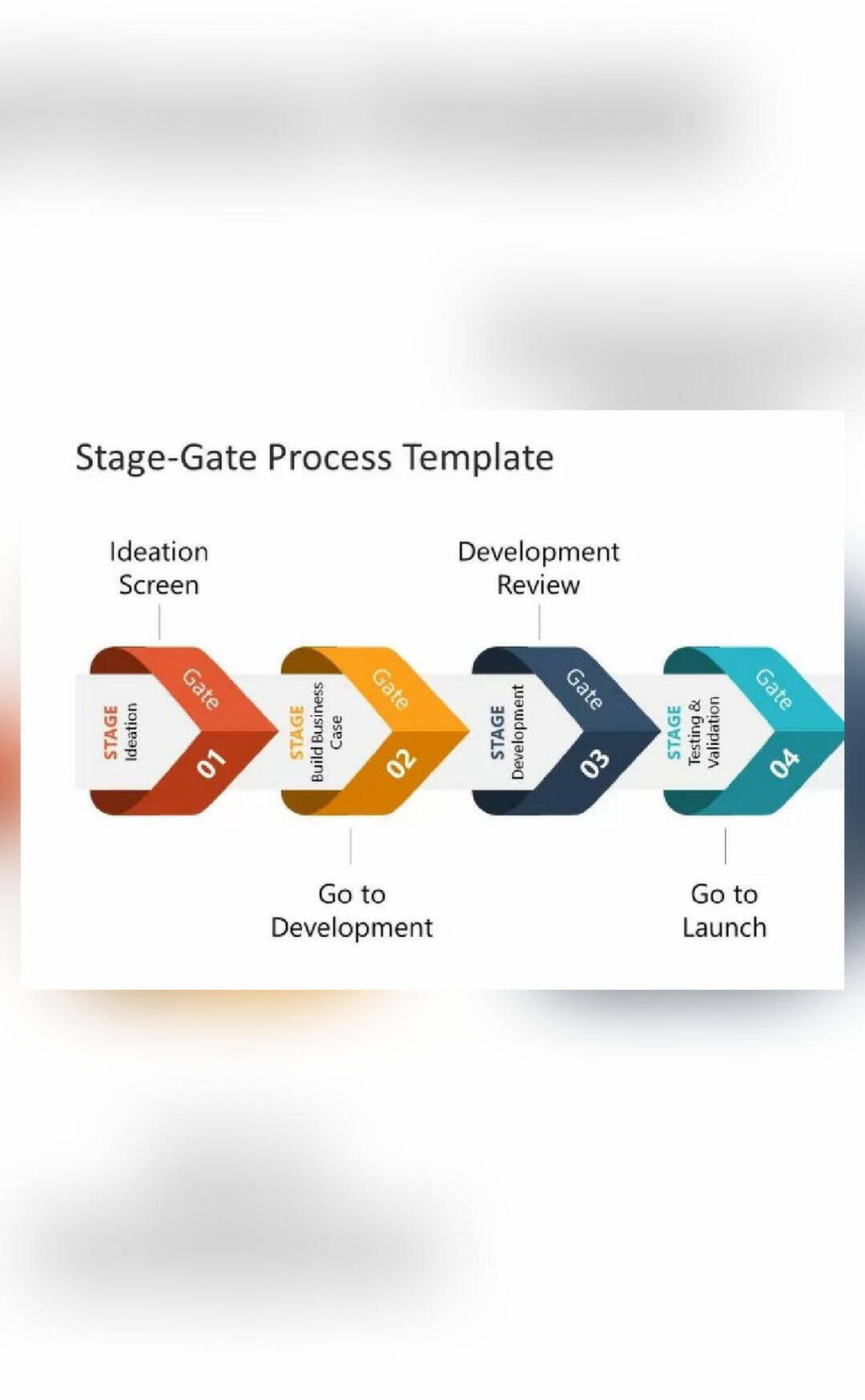
The stage-gate model consists of a series of structured phases, each with a specific set of activities and deliverables. The five phases of the stage-gate model are:
- Idea: This phase involves generating and capturing ideas for new products and services. Ideas can come from a variety of sources, including customers, employees, and market research.
- Scoping: During this phase, ideas are evaluated and refined to determine their feasibility and potential for success. This involves conducting market research, analyzing customer needs, and assessing the competition.
- Feasibility: In this phase, the viability of the concept is assessed, including its technical, financial, and operational feasibility. This involves conducting detailed market research, analyzing customer feedback, and assessing the resources required to bring the product to market.
- Development: During this phase, the product or service is developed, and a business case is created to support its launch. This involves designing and testing the product, developing a marketing strategy, and establishing a budget and timeline for launch.
- Validation: In this final phase, the product or service is tested with a small group of customers to validate its appeal and identify any areas for improvement. This involves conducting customer trials, gathering feedback, and refining the product or service prior to launch.
The Power of Go/No-Go Reviews
At the end of each phase, a go/no-go review is conducted to determine whether the project should proceed to the next phase. This review involves assessing the project’s progress, evaluating its potential for success, and determining whether it aligns with the organization’s strategic objectives.
The go/no-go review is a critical component of the stage-gate model, as it ensures that only projects with a high potential for success are allowed to proceed. This approach prevents teams from over-investing in weak ideas and forces early market checks, risk analysis, and resource alignment.
Benefits of the Stage-Gate Model
The stage-gate model offers a number of benefits to organizations, including:
- Reduced risk: By evaluating and refining ideas at each stage, organizations can reduce the risk of launching a product that fails to meet customer needs or expectations.
- Improved efficiency: The stage-gate model helps organizations to prioritize projects and allocate resources more effectively, ensuring that only the most promising ideas are pursued.
- Increased speed: By following a structured approach to innovation, organizations can speed up the development process and get new products and services to market more quickly.
- Better resource alignment: The stage-gate model ensures that resources are allocated to projects that have a high potential for success, reducing waste and improving overall efficiency.
Real-World Examples of the Stage-Gate Model in Action
The stage-gate model has been widely adopted by organizations around the world, including companies such as Procter & Gamble, 3M, and IBM. These organizations have used the stage-gate model to develop and launch new products and services, and have seen significant benefits as a result.
For example, Procter & Gamble used the stage-gate model to develop and launch its popular Febreze product, which has become a leading brand in the air freshener market. By following a structured approach to innovation, P&G was able to identify and validate a promising idea, and then develop and launch a successful product that met customer needs and expectations.
Conclusion
The stage-gate model is a powerful approach to innovation and product development, designed to help organizations manage the development process from idea to launch. By dividing the development process into structured phases, each with a go/no-go review, the stage-gate model prevents teams from over-investing in weak ideas and forces early market checks, risk analysis, and resource alignment. Organizations that use the stage-gate model can de-risk launches, speed up execution, and ensure that only validated concepts reach the market.
To learn more about the stage-gate model and how it can help your organization to drive innovation and growth, visit https://www.growthjockey.com/blogs/stage-gate-model.
News Source: https://www.growthjockey.com/blogs/stage-gate-model
About the Author