How does a stage-gate model cut product-launch failures?
The excitement of launching a new product can be overwhelming, but the harsh reality is that many product launches fail to meet expectations. In fact, studies have shown that up to 80% of new products fail to achieve their intended goals. This can be a costly and demotivating experience for companies, resulting in significant financial losses and damage to their reputation. However, there is a way to mitigate this risk: the stage-gate model.
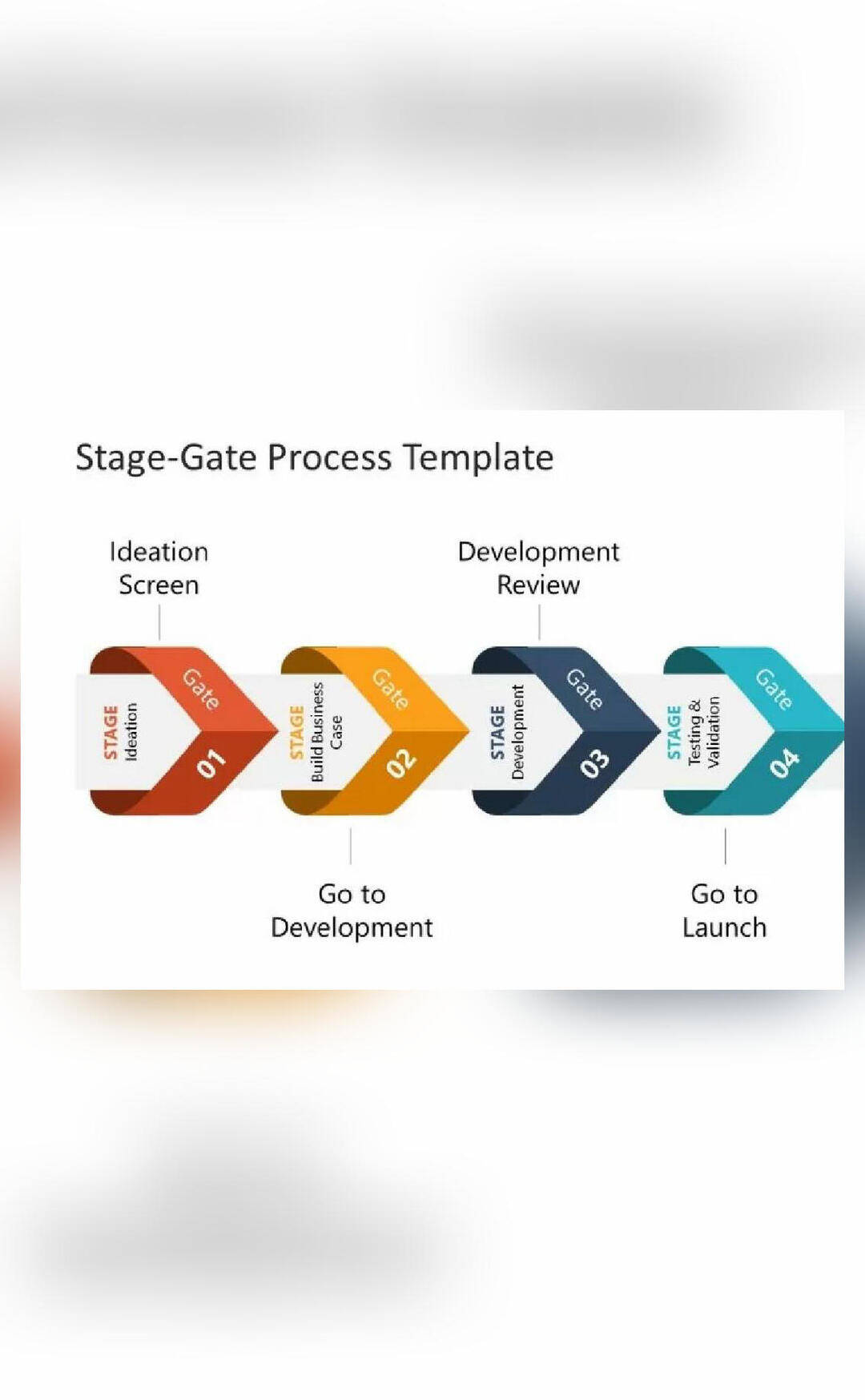
The stage-gate model is a structured approach to product development that divides the process into distinct phases, each with a clear set of objectives and a go/no-go review. This approach prevents teams from over-investing in weak ideas and forces early market checks, risk analysis, and resource alignment. By using the stage-gate model, organizations can de-risk launches, speed up execution, and ensure that only validated concepts reach the market.
The Stage-Gate Model: A Structured Approach
The stage-gate model consists of five distinct phases: idea, scoping, feasibility, development, validation, and launch. Each phase has a specific set of objectives and deliverables, and a go/no-go review is conducted at the end of each phase to determine whether the project should proceed to the next phase.
- Idea Phase: This is the initial phase where ideas are generated and screened. The objective is to identify potential opportunities and determine whether they align with the company’s strategy and goals.
- Scoping Phase: In this phase, the idea is further developed, and a preliminary business case is created. The objective is to define the project scope, identify potential risks, and determine the resources required.
- Feasibility Phase: This phase involves conducting a detailed analysis of the project’s technical, financial, and market feasibility. The objective is to determine whether the project is viable and whether it can be developed and launched successfully.
- Development Phase: In this phase, the product is designed, developed, and tested. The objective is to create a product that meets the defined requirements and is ready for launch.
- Validation Phase: This phase involves testing the product with a small group of customers to validate its performance and gather feedback. The objective is to ensure that the product meets customer needs and is ready for full-scale launch.
- Launch Phase: This is the final phase where the product is launched into the market. The objective is to execute a successful launch and achieve the desired business results.
Benefits of the Stage-Gate Model
The stage-gate model offers several benefits that can help organizations reduce product-launch failures. Some of the key benefits include:
- Early Market Checks: The stage-gate model forces early market checks, which help organizations validate their ideas and ensure that they are developing products that meet customer needs.
- Risk Analysis: The model involves conducting detailed risk analyses, which help organizations identify and mitigate potential risks.
- Resource Alignment: The stage-gate model ensures that resources are aligned with the project’s objectives and that the necessary resources are available to support the project.
- De-Risking Launches: By conducting thorough analyses and validation, the stage-gate model helps organizations de-risk launches and reduce the likelihood of product-launch failures.
- Speeding Up Execution: The model helps organizations speed up execution by ensuring that all necessary steps are taken in a structured and timely manner.
Case Study: A Successful Product Launch
A company that specializes in developing innovative consumer products used the stage-gate model to launch a new product. The company generated several ideas, which were screened and prioritized based on their potential and alignment with the company’s strategy. The selected idea was then developed into a preliminary business case, which was reviewed and approved by the company’s management team.
The company then conducted a detailed feasibility analysis, which involved market research, technical analysis, and financial modeling. The results of the analysis indicated that the project was viable, and the company proceeded to the development phase.
During the development phase, the company designed, developed, and tested the product, ensuring that it met the defined requirements and was ready for launch. The company then conducted a validation test with a small group of customers, which provided valuable feedback and helped the company refine the product.
Finally, the company launched the product, which was a huge success. The product met customer needs, and the company achieved its desired business results. The use of the stage-gate model helped the company de-risk the launch, speed up execution, and ensure that only a validated concept reached the market.
Conclusion
The stage-gate model is a structured approach to product development that can help organizations reduce product-launch failures. By dividing the development process into distinct phases, each with a clear set of objectives and a go/no-go review, organizations can ensure that only validated concepts reach the market. The model forces early market checks, risk analysis, and resource alignment, which can help organizations de-risk launches and speed up execution.
In today’s fast-paced and competitive business environment, organizations cannot afford to launch products that fail to meet customer needs or achieve desired business results. The stage-gate model offers a proven approach to product development that can help organizations achieve success in the market. By adopting this model, organizations can reduce the risk of product-launch failures and ensure that their products meet customer needs and achieve desired business results.
Source: https://www.growthjockey.com/blogs/stage-gate-model
About the Author