How does a stage-gate model cut product-launch failures?
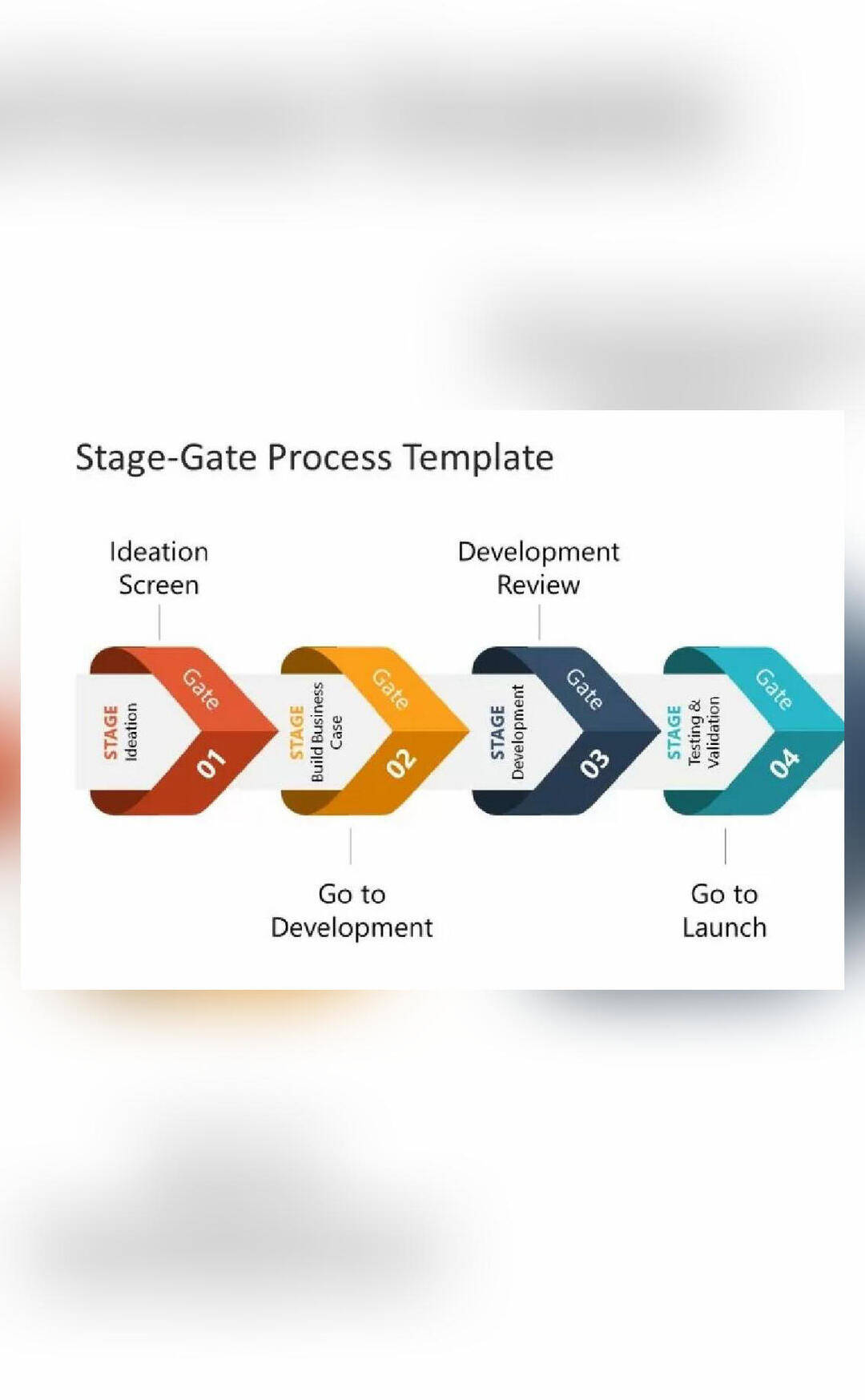
The stage-gate model is a widely used approach to new product development (NPD) that has been proven to reduce the risk of product-launch failures. By dividing the development process into structured phases, each with a go/no-go review, teams can ensure that only validated concepts reach the market. This approach prevents teams from over-investing in weak ideas and forces early market checks, risk analysis, and resource alignment.
The stage-gate model typically consists of five phases: idea, scoping, feasibility, development, validation, and launch. Each phase has a specific set of activities and deliverables, and a go/no-go review is conducted at the end of each phase to determine whether to proceed to the next phase or kill the project. This approach allows teams to evaluate the viability of a project at each stage and make informed decisions about whether to continue investing time and resources.
The first phase, idea, is where new product ideas are generated and initially evaluated. This phase involves brainstorming, research, and analysis to identify potential opportunities and threats. The output of this phase is a list of potential product ideas, each with a brief description and initial assessment of feasibility.
The second phase, scoping, involves defining the project scope, goals, and deliverables. This phase is critical in ensuring that the project is well-defined and that all stakeholders are aligned. The output of this phase is a project charter, which outlines the project objectives, scope, and timelines.
The third phase, feasibility, involves conducting a thorough analysis of the project’s technical, financial, and market feasibility. This phase is critical in identifying potential roadblocks and assessing the project’s overall viability. The output of this phase is a feasibility report, which outlines the project’s strengths, weaknesses, opportunities, and threats.
The fourth phase, development, is where the product is designed, developed, and tested. This phase involves a range of activities, including product design, prototyping, and testing. The output of this phase is a fully functional product, which is ready for validation.
The fifth phase, validation, involves testing the product with a small group of customers to validate its performance, quality, and market acceptance. This phase is critical in ensuring that the product meets customer needs and expectations. The output of this phase is a validation report, which outlines the product’s performance, customer feedback, and market acceptance.
The final phase, launch, involves launching the product into the market. This phase involves a range of activities, including marketing, sales, and distribution. The output of this phase is a successful product launch, which meets customer needs and expectations.
By using the stage-gate model, organizations can de-risk launches, speed up execution, and ensure that only validated concepts reach the market. This approach prevents teams from over-investing in weak ideas and forces early market checks, risk analysis, and resource alignment.
One of the key benefits of the stage-gate model is that it allows teams to evaluate the viability of a project at each stage and make informed decisions about whether to continue investing time and resources. This approach prevents teams from sinking too much time and money into a project that may not be viable.
Another benefit of the stage-gate model is that it forces early market checks and validation. This approach ensures that the product meets customer needs and expectations, reducing the risk of product-launch failures.
The stage-gate model also promotes resource alignment, ensuring that the right resources are allocated to the right projects. This approach prevents teams from over-allocating resources to weak projects and under-allocating resources to strong projects.
In addition, the stage-gate model promotes cross-functional collaboration, ensuring that all stakeholders are aligned and working towards the same goals. This approach promotes a culture of transparency, accountability, and continuous improvement.
To implement the stage-gate model, organizations need to establish clear processes and procedures for each phase. This involves defining the activities, deliverables, and timelines for each phase, as well as establishing clear criteria for go/no-go reviews.
Organizations also need to establish a cross-functional team to manage the stage-gate process. This team should include representatives from all relevant functions, including marketing, sales, product development, and finance.
Finally, organizations need to establish a culture of continuous improvement, where feedback and learning are encouraged and valued. This involves promoting a culture of transparency, accountability, and experimentation, where teams are empowered to take risks and try new things.
In conclusion, the stage-gate model is a powerful approach to new product development that can help organizations reduce the risk of product-launch failures. By dividing the development process into structured phases, each with a go/no-go review, teams can ensure that only validated concepts reach the market. This approach prevents teams from over-investing in weak ideas and forces early market checks, risk analysis, and resource alignment.
By using the stage-gate model, organizations can de-risk launches, speed up execution, and ensure that only validated concepts reach the market. This approach promotes cross-functional collaboration, resource alignment, and continuous improvement, ensuring that organizations are well-equipped to respond to changing market conditions and customer needs.
For more information on how to implement the stage-gate model, please visit: https://www.growthjockey.com/blogs/stage-gate-model
News Source: https://www.growthjockey.com/blogs/stage-gate-model
About the Author