How does a stage-gate model cut product-launch failures?
The stage-gate model is a widely accepted and effective approach to managing the development and launch of new products. By dividing the development process into structured phases, each with a go/no-go review, organizations can significantly reduce the risk of product-launch failures. In this blog post, we will explore the stage-gate model, its benefits, and how it can help organizations de-risk launches, speed up execution, and ensure that only validated concepts reach the market.
What is the stage-gate model?
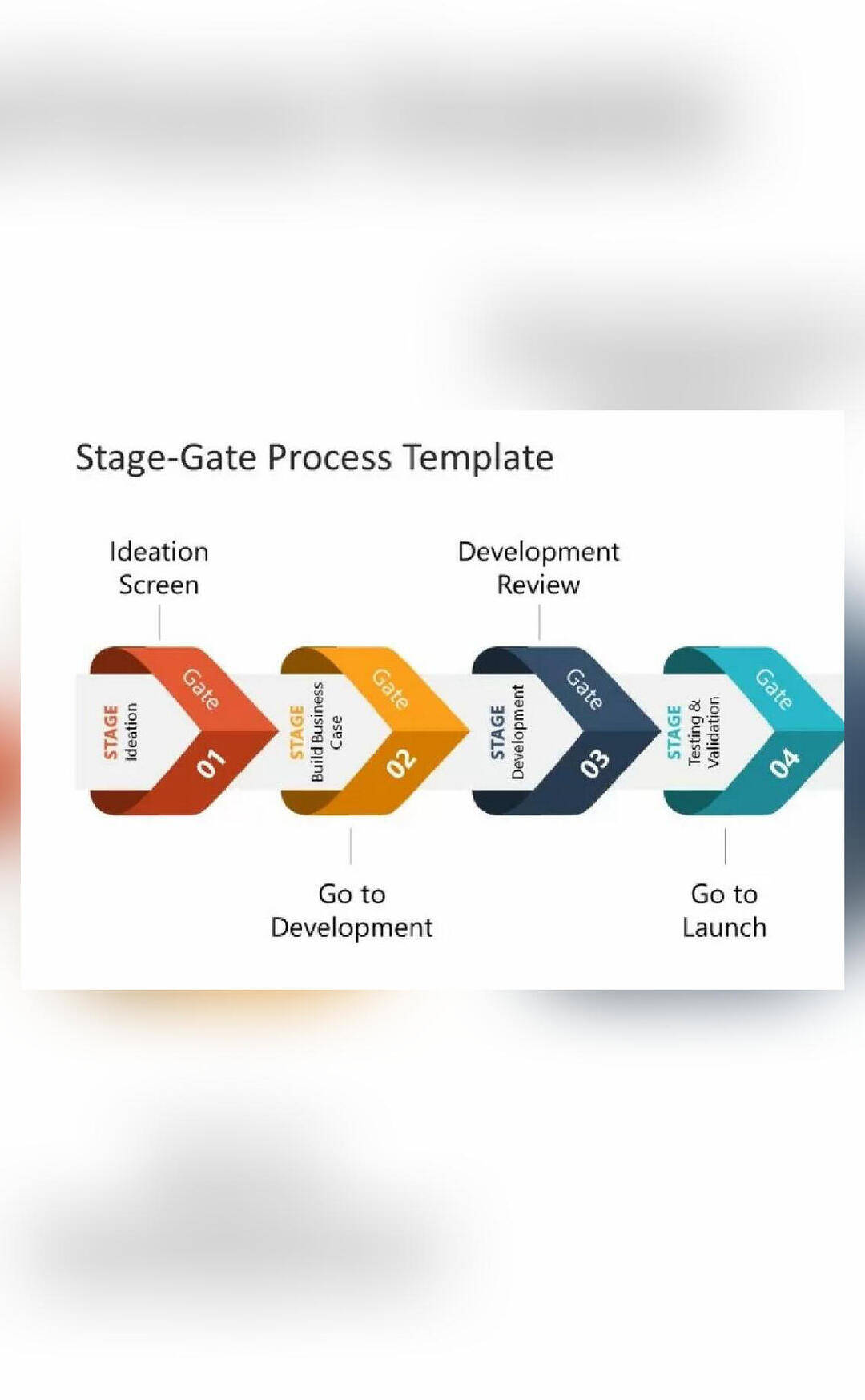
The stage-gate model is a phased approach to product development that consists of five distinct stages: idea, scoping, feasibility, development, validation, and launch. Each stage is separated by a gate, which serves as a review point to determine whether the project should proceed to the next stage or be terminated. The gates are critical milestones that ensure that the project is on track, and that the organization is making informed decisions about which projects to pursue.
The five stages of the stage-gate model are:
- Idea: This is the initial stage where ideas are generated and recorded. Ideas can come from a variety of sources, including customer feedback, market research, and internal brainstorming sessions.
- Scoping: In this stage, the idea is evaluated to determine its feasibility and potential impact. The scoping stage involves preliminary market research, competitive analysis, and high-level financial projections.
- Feasibility: This stage involves a more detailed evaluation of the idea, including technical feasibility, market demand, and financial viability.
- Development: In this stage, the product is designed, developed, and tested. The development stage involves creating a working prototype, conducting user testing, and refining the product based on feedback.
- Validation: The validation stage involves testing the product with a larger group of users to validate its performance, usability, and market demand.
- Launch: The final stage is the launch of the product, which involves marketing, sales, and distribution.
Benefits of the stage-gate model
The stage-gate model offers several benefits, including:
- Reduced risk: By evaluating projects at each stage, organizations can identify and eliminate weak ideas before they become costly failures.
- Improved resource allocation: The stage-gate model ensures that resources are allocated to the most promising projects, reducing waste and improving productivity.
- Faster time-to-market: By focusing on the most promising projects and eliminating weak ideas, organizations can accelerate the development process and get products to market faster.
- Increased customer satisfaction: The stage-gate model involves early market checks and user testing, which helps ensure that products meet customer needs and expectations.
How the stage-gate model cuts product-launch failures
The stage-gate model cuts product-launch failures in several ways:
- Prevents over-investment in weak ideas: By evaluating projects at each stage, organizations can identify and eliminate weak ideas before they become costly failures.
- Forces early market checks: The stage-gate model involves early market checks and user testing, which helps ensure that products meet customer needs and expectations.
- Ensures risk analysis and resource alignment: The stage-gate model involves a thorough evaluation of each project, including technical feasibility, market demand, and financial viability. This ensures that resources are allocated to the most promising projects and that risks are identified and mitigated.
- De-risks launches: By evaluating projects at each stage, organizations can identify and mitigate risks, reducing the likelihood of product-launch failures.
Best practices for implementing the stage-gate model
To get the most out of the stage-gate model, organizations should follow these best practices:
- Establish clear gates and criteria: Each gate should have clear criteria for evaluating projects, including technical feasibility, market demand, and financial viability.
- Assemble a cross-functional team: The stage-gate model involves input from a variety of stakeholders, including marketing, sales, product development, and finance.
- Conduct thorough market research: The stage-gate model involves early market checks and user testing, which helps ensure that products meet customer needs and expectations.
- Be willing to kill weak ideas: The stage-gate model is designed to identify and eliminate weak ideas. Organizations should be willing to kill projects that do not meet the criteria for proceeding to the next stage.
In conclusion, the stage-gate model is a powerful tool for managing the development and launch of new products. By dividing the development process into structured phases, each with a go/no-go review, organizations can significantly reduce the risk of product-launch failures. The stage-gate model prevents over-investment in weak ideas, forces early market checks, ensures risk analysis and resource alignment, and de-risks launches. By following best practices for implementing the stage-gate model, organizations can ensure that only validated concepts reach the market, reducing the risk of product-launch failures and improving customer satisfaction.
Source: https://www.growthjockey.com/blogs/stage-gate-model
About the Author