How does a stage-gate model cut product-launch failures?
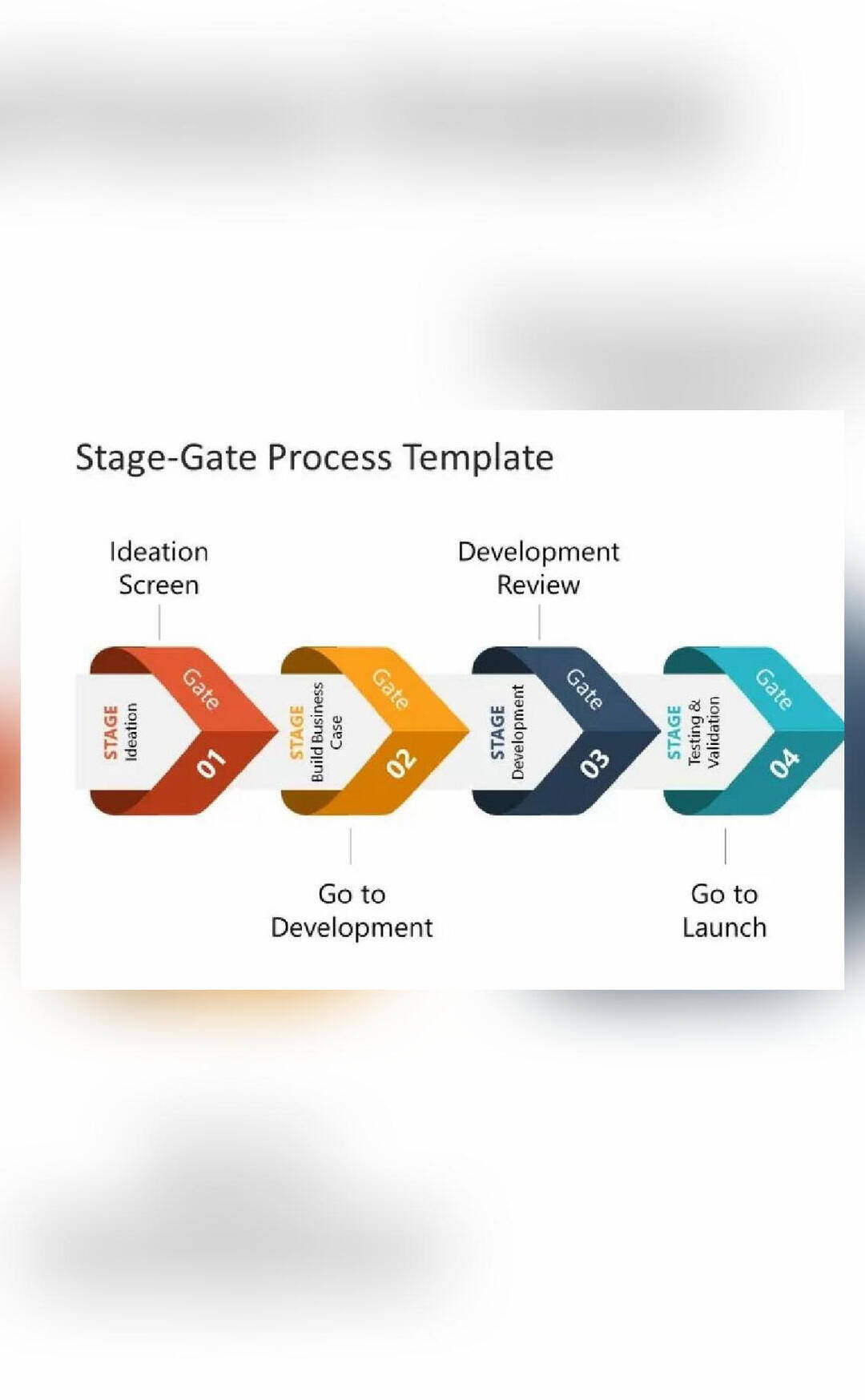
The stage-gate model has been a widely adopted framework for managing the product development process, particularly in the context of new product launches. This structured approach divides the development process into distinct phases, each culminating in a go/no-go review that determines whether the project should proceed to the next stage. By implementing a stage-gate model, organizations can significantly reduce the risk of product-launch failures, accelerate execution, and ensure that only validated concepts reach the market.
The Stage-Gate Model: A Structured Approach
The stage-gate model typically consists of five to seven stages, each with a specific set of objectives, deliverables, and decision criteria. The most common stages include:
- Idea: This initial stage involves generating and capturing ideas for new products or services. The goal is to identify potential opportunities and assess their feasibility.
- Scoping: During this stage, the idea is refined, and a preliminary business case is developed. The project team defines the project scope, identifies key stakeholders, and establishes a rough timeline and budget.
- Feasibility: In this stage, the project team conducts a thorough analysis of the project’s technical, financial, and market viability. This includes assessing the competition, market size, and potential revenue streams.
- Development: With a solid business case in place, the project team begins designing and developing the product or service. This stage involves creating prototypes, testing, and iterating on the design.
- Validation: The validation stage involves testing the product or service with a small group of customers or users to validate its functionality, usability, and market appeal.
- Launch: The final stage involves launching the product or service, which includes planning and executing the marketing and sales strategy.
The Power of Go/No-Go Reviews
A critical component of the stage-gate model is the go/no-go review, which occurs at the end of each stage. This review involves a thorough assessment of the project’s progress, risks, and potential returns. The review team, typically consisting of senior executives and stakeholders, evaluates the project against established criteria, such as:
- Market demand and competition
- Technical feasibility and complexity
- Financial viability and return on investment
- Alignment with organizational strategy and goals
Based on this evaluation, the review team decides whether to proceed to the next stage (go), terminate the project (no-go), or put it on hold for further review. This disciplined approach ensures that only projects with a high likelihood of success proceed to the next stage, preventing teams from over-investing in weak ideas.
Benefits of the Stage-Gate Model
The stage-gate model offers several benefits that can help organizations reduce product-launch failures:
- De-risking launches: By conducting thorough market checks, risk analysis, and resource alignment at each stage, organizations can identify and mitigate potential risks early on.
- Speeding up execution: The stage-gate model enables teams to focus on the most promising projects, accelerating the development process and reducing time-to-market.
- Ensuring validated concepts: The validation stage ensures that only concepts that have been tested and validated with customers reach the market, reducing the risk of launching a product that may not meet customer needs.
- Improving resource allocation: The go/no-go review process ensures that resources are allocated to projects with the highest potential return, reducing waste and improving overall efficiency.
Real-World Applications
The stage-gate model has been successfully applied in various industries, including technology, healthcare, and consumer goods. For example, a leading technology company used the stage-gate model to develop a new software product, which involved a rigorous feasibility study, prototype testing, and validation with a small group of customers. The product was launched with great success, meeting customer needs and exceeding revenue expectations.
Conclusion
The stage-gate model is a powerful framework for managing the product development process and reducing the risk of product-launch failures. By dividing the development process into structured phases, each with a go/no-go review, organizations can ensure that only validated concepts reach the market. The benefits of the stage-gate model, including de-risking launches, speeding up execution, and improving resource allocation, make it an essential tool for any organization looking to launch successful new products or services.
For more information on the stage-gate model and its applications, visit https://www.growthjockey.com/blogs/stage-gate-model
News Source: https://www.growthjockey.com/blogs/stage-gate-model
About the Author