How does a stage-gate model cut product-launch failures?
The stage-gate model is a widely used product development process that helps organizations bring new products to market efficiently and effectively. By dividing development into structured phases, each with a go/no-go review, the stage-gate model prevents teams from over-investing in weak ideas and forces early market checks, risk analysis, and resource alignment. This approach has been shown to de-risk launches, speed up execution, and ensure that only validated concepts reach the market.
In this blog post, we will delve into the details of the stage-gate model, its benefits, and how it can help organizations cut product-launch failures.
What is the stage-gate model?
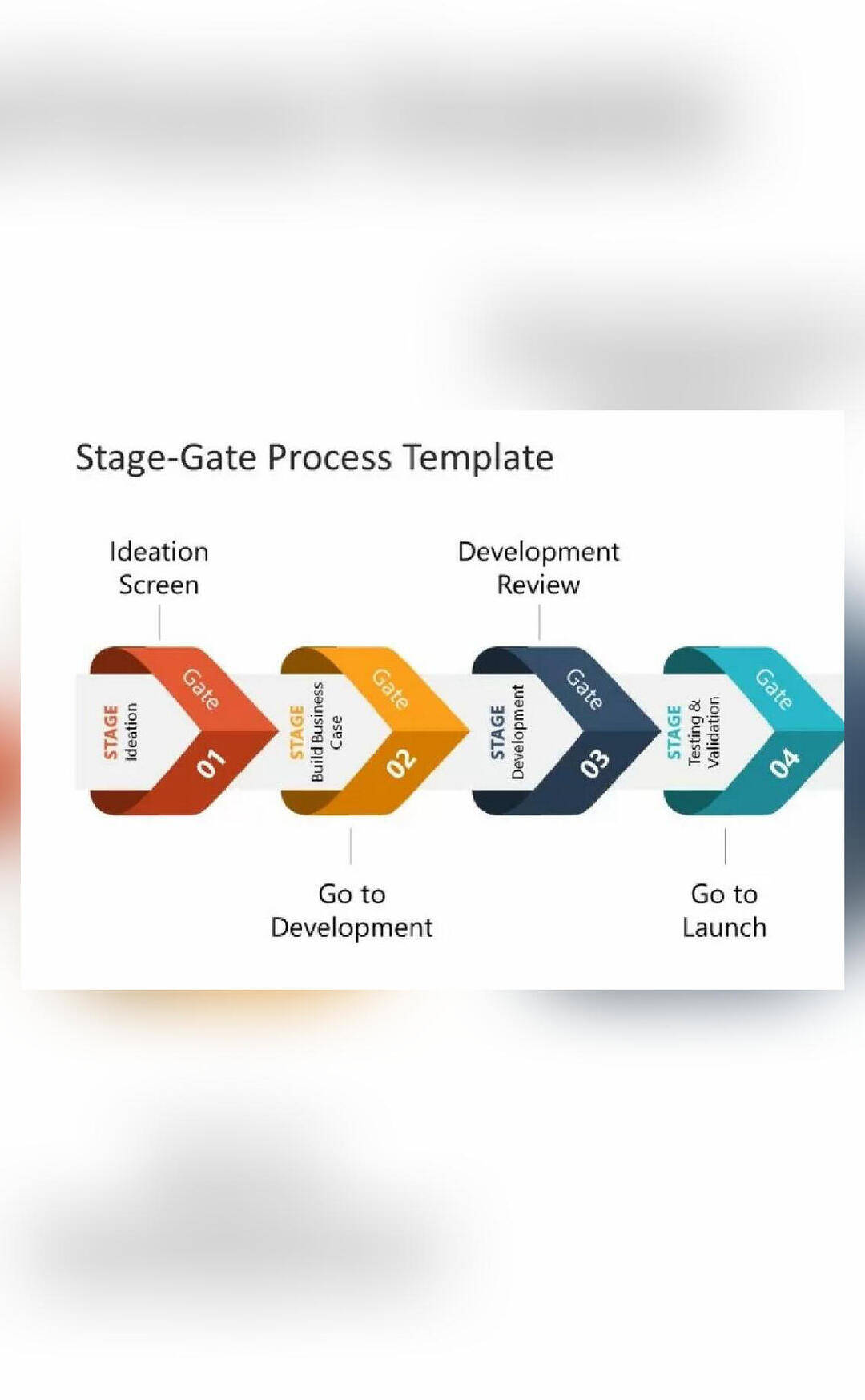
The stage-gate model is a linear, sequential approach to product development that consists of five distinct stages: idea, scoping, feasibility, development, validation, and launch. Each stage has a specific set of activities and deliverables, and at the end of each stage, a go/no-go review is conducted to determine whether the project should proceed to the next stage.
The five stages of the stage-gate model are:
- Idea: This stage involves generating and documenting new product ideas. The idea stage is all about brainstorming and coming up with innovative solutions to customer problems or market needs.
- Scoping: In this stage, the idea is evaluated, and a preliminary assessment of its feasibility is conducted. The scoping stage involves defining the project scope, identifying the target market, and determining the potential return on investment.
- Feasibility: During this stage, a detailed analysis of the project’s technical, financial, and operational feasibility is conducted. The feasibility stage involves assessing the project’s risks, evaluating the competition, and determining the required resources.
- Development: This stage involves designing, testing, and validating the product. The development stage is where the product is brought to life, and its features and functionality are defined.
- Validation: In this stage, the product is tested with a small group of customers to validate its market potential. The validation stage involves gathering feedback, refining the product, and making any necessary adjustments.
- Launch: The final stage involves launching the product to the market. The launch stage is where the product is made available to customers, and its success is measured.
Benefits of the stage-gate model
The stage-gate model offers several benefits to organizations, including:
- Reduced risk: By evaluating the project’s feasibility and market potential at each stage, the stage-gate model helps reduce the risk of investing in a product that may not be successful.
- Improved resource allocation: The stage-gate model ensures that resources are allocated efficiently and effectively, as projects that are not viable are killed early on.
- Faster time-to-market: The stage-gate model helps organizations bring products to market faster by streamlining the development process and eliminating unnecessary activities.
- Increased success rates: By validating products with customers before launch, the stage-gate model increases the chances of success and reduces the risk of product failure.
- Better alignment: The stage-gate model ensures that all stakeholders are aligned and working towards the same goals, which helps to prevent misunderstandings and miscommunication.
How the stage-gate model cuts product-launch failures
The stage-gate model cuts product-launch failures in several ways:
- Early market checks: The stage-gate model involves conducting market checks and gathering customer feedback early on, which helps to validate the product’s market potential and identify any potential issues.
- Risk analysis: The stage-gate model involves conducting a detailed risk analysis at each stage, which helps to identify and mitigate potential risks.
- Resource alignment: The stage-gate model ensures that resources are allocated efficiently and effectively, which helps to prevent over-investing in weak ideas.
- Go/no-go reviews: The stage-gate model involves conducting go/no-go reviews at each stage, which helps to kill projects that are not viable and prevent further investment.
- Validation: The stage-gate model involves validating products with customers before launch, which helps to ensure that the product meets customer needs and is likely to be successful.
Conclusion
The stage-gate model is a powerful tool for reducing product-launch failures and bringing successful products to market. By dividing development into structured phases, each with a go/no-go review, the stage-gate model prevents teams from over-investing in weak ideas and forces early market checks, risk analysis, and resource alignment. Organizations that use the stage-gate model can de-risk launches, speed up execution, and ensure that only validated concepts reach the market.
To learn more about the stage-gate model and how it can help your organization, visit https://www.growthjockey.com/blogs/stage-gate-model.
News Source: https://www.growthjockey.com/blogs/stage-gate-model
About the Author