How does a stage-gate model cut product-launch failures?
The stage-gate model is a widely used approach to product development that has been proven to significantly reduce the risk of product-launch failures. By dividing the development process into structured phases, each with a go/no-go review, teams can ensure that only validated concepts reach the market. In this blog post, we will explore how the stage-gate model works and how it can help organizations de-risk launches, speed up execution, and prevent over-investment in weak ideas.
What is the stage-gate model?
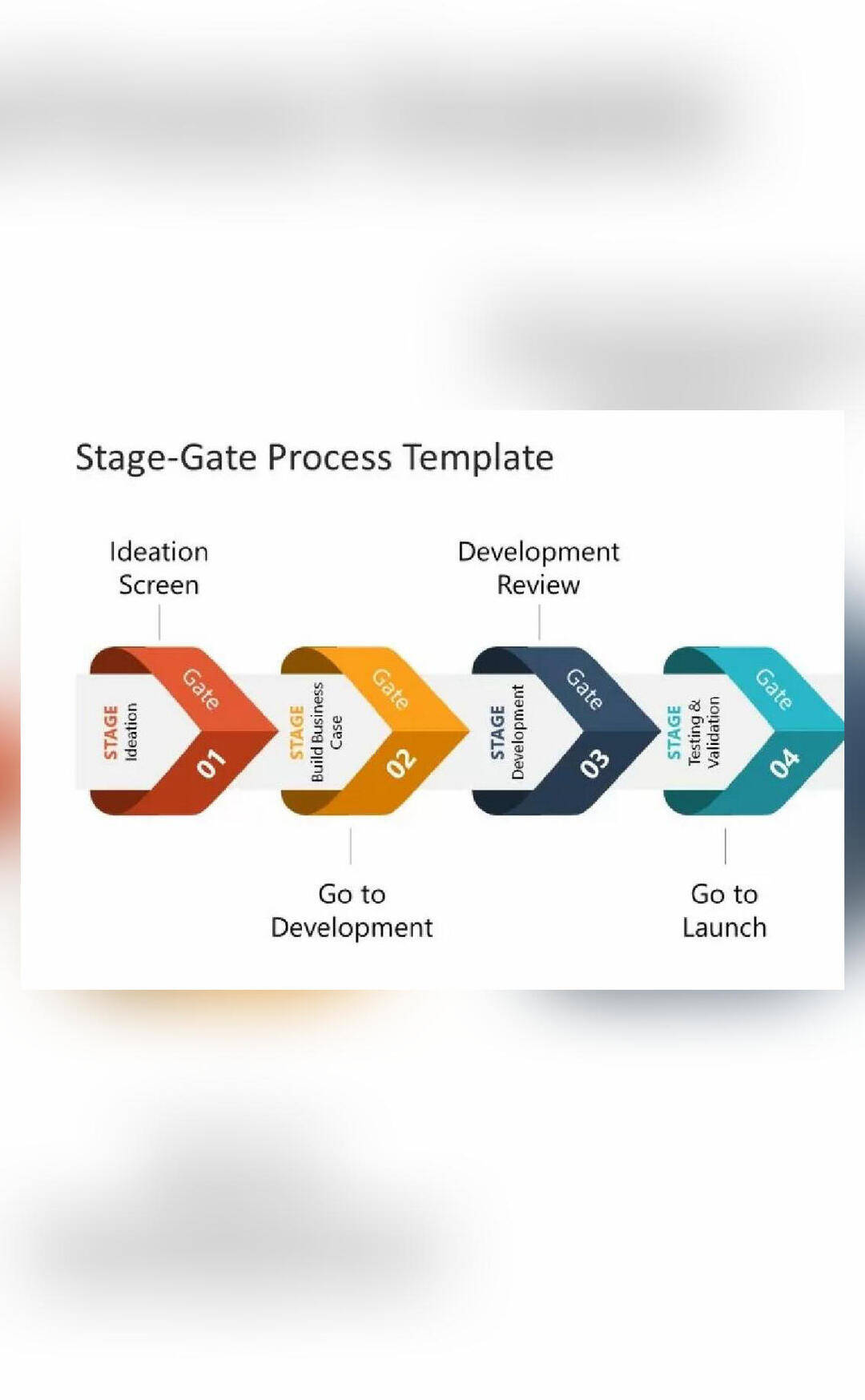
The stage-gate model is a phased approach to product development that consists of five stages: idea, scoping, feasibility, development, validation, and launch. Each stage is designed to build on the previous one, with a go/no-go review at the end of each phase. This review is a critical checkpoint that determines whether the project should proceed to the next stage or be terminated.
The five stages of the stage-gate model are:
- Idea: This is the initial stage where ideas are generated and screened. The goal is to identify potential opportunities and determine whether they are worth pursuing.
- Scoping: In this stage, the idea is further developed, and a preliminary business case is created. The team defines the project’s objectives, scope, and deliverables.
- Feasibility: This stage involves a detailed analysis of the project’s technical, financial, and operational feasibility. The team assesses the risks and challenges associated with the project and determines whether it is viable.
- Development: If the project is deemed feasible, it proceeds to the development stage. This is where the product or service is designed, developed, and tested.
- Validation: In this stage, the product or service is validated with customers and stakeholders. The goal is to ensure that the product meets the market’s needs and is ready for launch.
- Launch: The final stage is the launch of the product or service. This is where the product is introduced to the market, and the team monitors its performance and makes any necessary adjustments.
How does the stage-gate model cut product-launch failures?
The stage-gate model is designed to prevent teams from over-investing in weak ideas and to force early market checks, risk analysis, and resource alignment. By dividing the development process into structured phases, each with a go/no-go review, teams can:
- Prevent over-investment in weak ideas: The stage-gate model ensures that ideas are thoroughly vetted before significant resources are invested. If an idea is deemed unviable, it can be terminated early, preventing unnecessary expenditure.
- Force early market checks: The model requires teams to conduct market research and validation early in the development process. This ensures that the product or service meets the market’s needs and reduces the risk of launching a product that no one wants.
- Conduct risk analysis: The stage-gate model involves a detailed analysis of the project’s risks and challenges. This helps teams to identify potential pitfalls and develop strategies to mitigate them.
- Ensure resource alignment: The model requires teams to align their resources with the project’s objectives and scope. This ensures that the right people, with the right skills, are working on the project, and that resources are allocated efficiently.
Benefits of the stage-gate model
The stage-gate model offers several benefits, including:
- Reduced risk: By dividing the development process into structured phases, each with a go/no-go review, teams can reduce the risk of product-launch failures.
- Faster execution: The model enables teams to focus on the most promising ideas and to accelerate their development.
- Improved resource allocation: The stage-gate model ensures that resources are allocated efficiently and effectively, reducing waste and improving productivity.
- Increased success rates: By ensuring that only validated concepts reach the market, the stage-gate model can increase the success rates of product launches.
Conclusion
The stage-gate model is a powerful approach to product development that can help organizations de-risk launches, speed up execution, and prevent over-investment in weak ideas. By dividing the development process into structured phases, each with a go/no-go review, teams can ensure that only validated concepts reach the market. The model offers several benefits, including reduced risk, faster execution, improved resource allocation, and increased success rates. If you’re looking to improve your product development process and reduce the risk of product-launch failures, the stage-gate model is definitely worth considering.
News Source: https://www.growthjockey.com/blogs/stage-gate-model
About the Author