How does a stage-gate model cut product-launch failures?
The stage-gate model is a widely adopted approach to product development that helps organizations streamline their innovation processes, reduce risks, and increase the chances of successful product launches. By dividing the development process into structured phases, each with a go/no-go review, the stage-gate model prevents teams from over-investing in weak ideas and forces early market checks, risk analysis, and resource alignment. In this blog post, we will delve into the details of the stage-gate model and explore how it can help organizations de-risk launches, speed up execution, and ensure that only validated concepts reach the market.
The Stage-Gate Model: An Overview
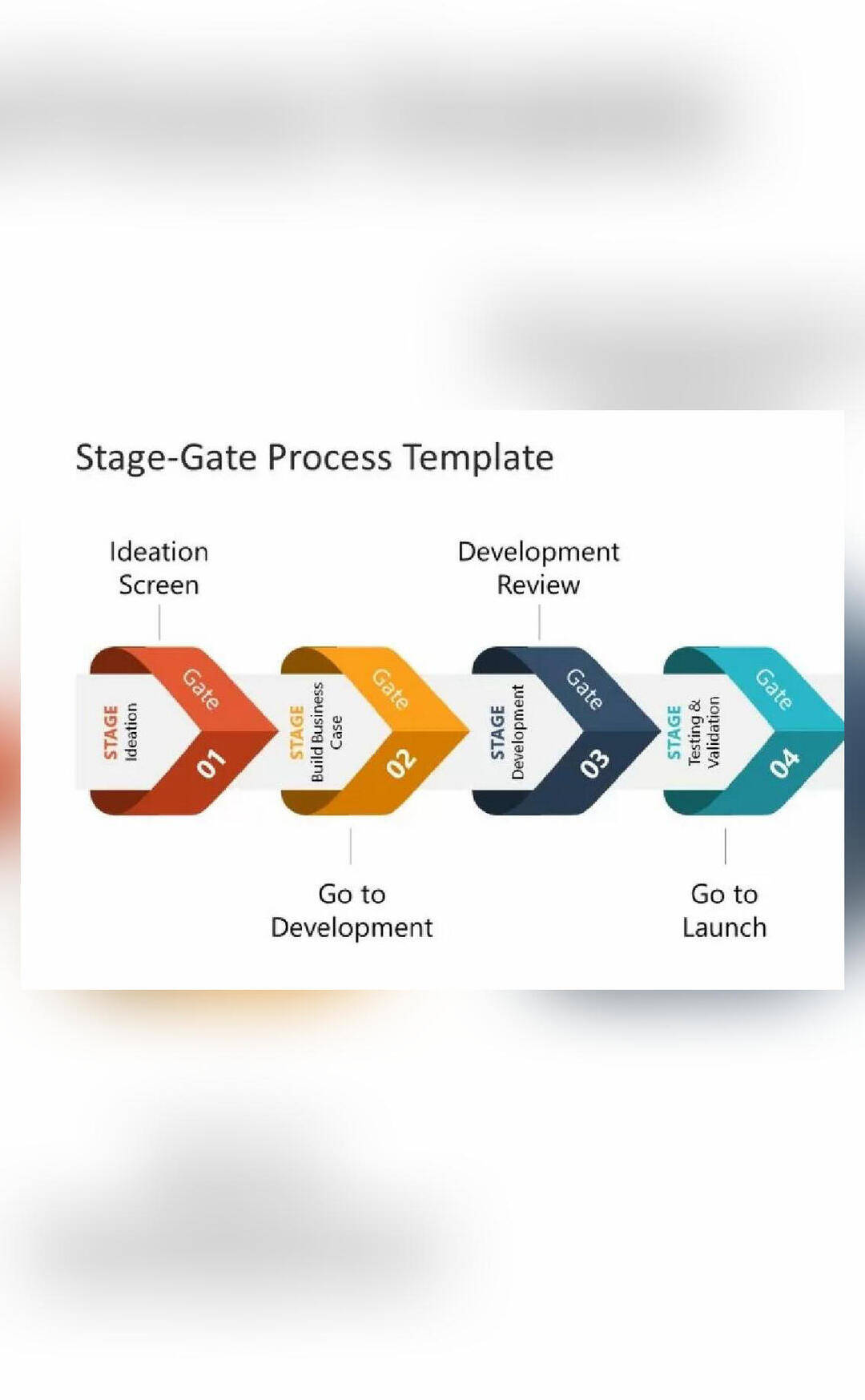
The stage-gate model is a phased approach to product development that consists of five distinct stages: idea, scoping, feasibility, development, validation, and launch. Each stage is separated by a gate, which serves as a review point where the project is evaluated against specific criteria. The gate review process ensures that the project is on track, meets the required standards, and has a strong business case before proceeding to the next stage.
The five stages of the stage-gate model are:
- Idea: This stage involves generating and capturing ideas for new products or services. Ideas can come from various sources, including customer feedback, market research, and employee suggestions.
- Scoping: In this stage, the idea is evaluated to determine its potential and feasibility. The scoping stage involves conducting preliminary market research, assessing the competition, and defining the project’s scope and objectives.
- Feasibility: The feasibility stage involves conducting a detailed analysis of the project’s technical, financial, and operational feasibility. This stage helps to identify potential risks and challenges and determines whether the project is viable.
- Development: In this stage, the product or service is developed, and a prototype is created. The development stage involves designing, testing, and refining the product or service to ensure that it meets the required standards.
- Validation: The validation stage involves testing the product or service with a small group of customers to validate its market acceptance and gather feedback.
- Launch: The final stage involves launching the product or service to the market. This stage involves developing a marketing strategy, creating promotional materials, and executing the launch plan.
Benefits of the Stage-Gate Model
The stage-gate model offers several benefits to organizations, including:
- Reduced Risk: The stage-gate model helps to reduce the risk of product launch failures by identifying and addressing potential issues early in the development process.
- Improved Resource Allocation: The gate review process ensures that resources are allocated efficiently and effectively, reducing waste and minimizing the investment in weak ideas.
- Faster Time-to-Market: The stage-gate model helps to speed up the product development process by ensuring that each stage is completed before proceeding to the next one.
- Increased Success Rates: By ensuring that only validated concepts reach the market, the stage-gate model increases the chances of successful product launches.
- Better Market Alignment: The stage-gate model forces early market checks and risk analysis, ensuring that the product or service meets the needs of the target market.
Case Study: Implementing the Stage-Gate Model
A leading consumer goods company implemented the stage-gate model to improve its product development process. The company had a history of launching products that failed to meet market expectations, resulting in significant financial losses. By adopting the stage-gate model, the company was able to reduce its product launch failures by 30% and increase its success rates by 25%. The company achieved this by ensuring that each stage of the development process was thoroughly evaluated before proceeding to the next one, and by allocating resources more efficiently.
Best Practices for Implementing the Stage-Gate Model
To get the most out of the stage-gate model, organizations should follow these best practices:
- Define Clear Criteria: Establish clear criteria for each gate review to ensure that the project is evaluated objectively.
- Assemble a Cross-Functional Team: Involve a cross-functional team in the gate review process to ensure that all aspects of the project are considered.
- Conduct Regular Gate Reviews: Hold regular gate reviews to ensure that the project is on track and to identify potential issues early.
- Be Willing to Kill Weak Ideas: Be willing to terminate projects that do not meet the required standards or have a weak business case.
- Continuously Monitor and Evaluate: Continuously monitor and evaluate the product development process to identify areas for improvement.
Conclusion
The stage-gate model is a proven approach to product development that can help organizations de-risk launches, speed up execution, and ensure that only validated concepts reach the market. By dividing the development process into structured phases, each with a go/no-go review, the stage-gate model prevents teams from over-investing in weak ideas and forces early market checks, risk analysis, and resource alignment. Organizations that adopt the stage-gate model can reduce their product launch failures, improve their resource allocation, and increase their success rates. To learn more about the stage-gate model and how it can benefit your organization, visit https://www.growthjockey.com/blogs/stage-gate-model.
News Source: https://www.growthjockey.com/blogs/stage-gate-model
About the Author