How does a stage-gate model cut product-launch failures?
The stage-gate model is a widely used approach to new product development (NPD) that has been proven to reduce the risk of product-launch failures. By dividing the development process into structured phases, each with a go/no-go review, the stage-gate model prevents teams from over-investing in weak ideas and forces early market checks, risk analysis, and resource alignment. In this blog post, we will explore the stage-gate model in detail and examine how it can help organizations de-risk launches, speed up execution, and ensure that only validated concepts reach the market.
The Stage-Gate Model: An Overview
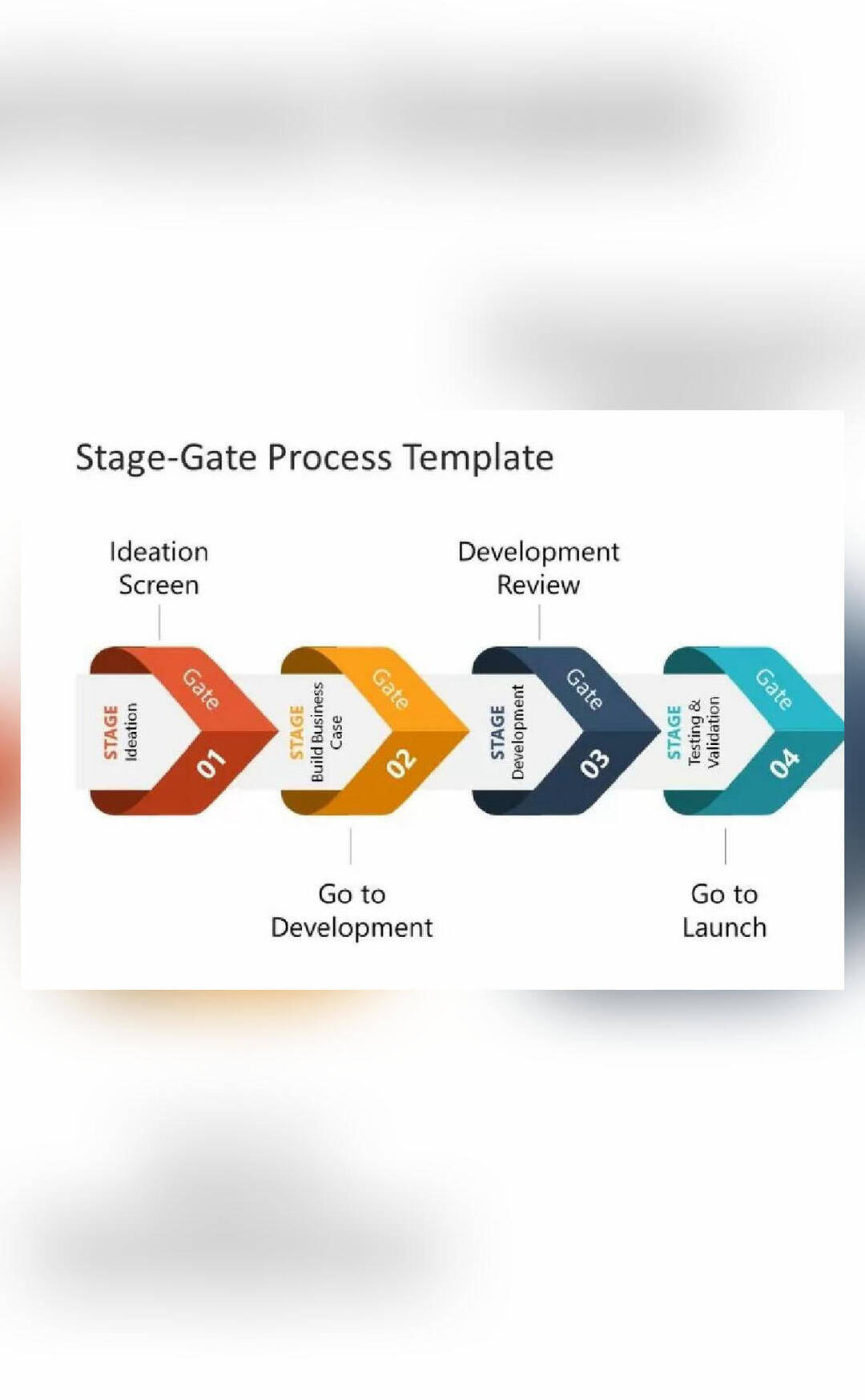
The stage-gate model is a linear, sequential approach to NPD that consists of five distinct phases: idea, scoping, feasibility, development, validation, and launch. Each phase is separated by a gate, which serves as a review point where the project is evaluated against specific criteria. The gates are designed to ensure that the project is on track, that the business case is still valid, and that the project team has the necessary resources to move forward.
The five phases of the stage-gate model are:
- Idea: This is the initial phase where ideas are generated and screened. The goal is to identify potential opportunities and to determine whether they are worth pursuing.
- Scoping: In this phase, the idea is refined, and a preliminary business case is developed. The project team defines the project scope, identifies the target market, and determines the resources required to move forward.
- Feasibility: This phase involves a more detailed evaluation of the project’s technical and financial feasibility. The project team assesses the risks and challenges associated with the project and determines whether it is viable.
- Development: In this phase, the project team develops the product or service, and the business case is further refined. The team also develops a detailed launch plan and prepares for commercialization.
- Validation: This phase involves testing the product or service with a small group of customers to validate the business case and to identify any issues that need to be addressed.
- Launch: This is the final phase, where the product or service is launched into the market.
Benefits of the Stage-Gate Model
The stage-gate model offers several benefits that can help organizations reduce the risk of product-launch failures. Some of the key benefits include:
- Early market checks: The stage-gate model forces early market checks, which help to validate the business case and to identify any potential issues.
- Risk analysis: The model requires a thorough risk analysis, which helps to identify potential risks and to develop strategies to mitigate them.
- Resource alignment: The stage-gate model ensures that resources are aligned with the project’s goals and objectives, which helps to prevent over-investment in weak ideas.
- De-risking launches: By evaluating the project at each gate, the stage-gate model helps to de-risk launches and to ensure that only validated concepts reach the market.
- Speeding up execution: The stage-gate model helps to speed up execution by providing a clear and structured approach to NPD.
Case Study: How the Stage-Gate Model Helped a Company Launch a Successful Product
A company that developed a new line of eco-friendly cleaning products used the stage-gate model to launch their product. In the idea phase, the company generated and screened several ideas, and they selected the one that had the most potential. In the scoping phase, they refined the idea and developed a preliminary business case. In the feasibility phase, they assessed the technical and financial feasibility of the project and determined that it was viable.
In the development phase, the company developed the product and refined the business case. They also developed a detailed launch plan and prepared for commercialization. In the validation phase, they tested the product with a small group of customers and validated the business case. Finally, in the launch phase, they launched the product into the market, and it was a huge success.
Conclusion
The stage-gate model is a powerful tool that can help organizations reduce the risk of product-launch failures. By dividing the development process into structured phases, each with a go/no-go review, the stage-gate model prevents teams from over-investing in weak ideas and forces early market checks, risk analysis, and resource alignment. Organizations that use the stage-gate model can de-risk launches, speed up execution, and ensure that only validated concepts reach the market.
In today’s fast-paced and competitive business environment, it is more important than ever to have a structured approach to NPD. The stage-gate model provides a proven framework for launching successful products, and it has been widely adopted by organizations across a range of industries.
To learn more about the stage-gate model and how it can help your organization launch successful products, visit https://www.growthjockey.com/blogs/stage-gate-model.
News Source: https://www.growthjockey.com/blogs/stage-gate-model
About the Author