How does a stage-gate model cut product-launch failures?
The stage-gate model is a widely used methodology in product development that has been proven to significantly reduce the risk of product-launch failures. By dividing the development process into structured phases, each with a go/no-go review, teams can ensure that only validated concepts reach the market, thereby minimizing the likelihood of failure. In this blog post, we will delve into the details of the stage-gate model and explore how it can help organizations de-risk launches, speed up execution, and prevent over-investment in weak ideas.
The Stage-Gate Model: An Overview
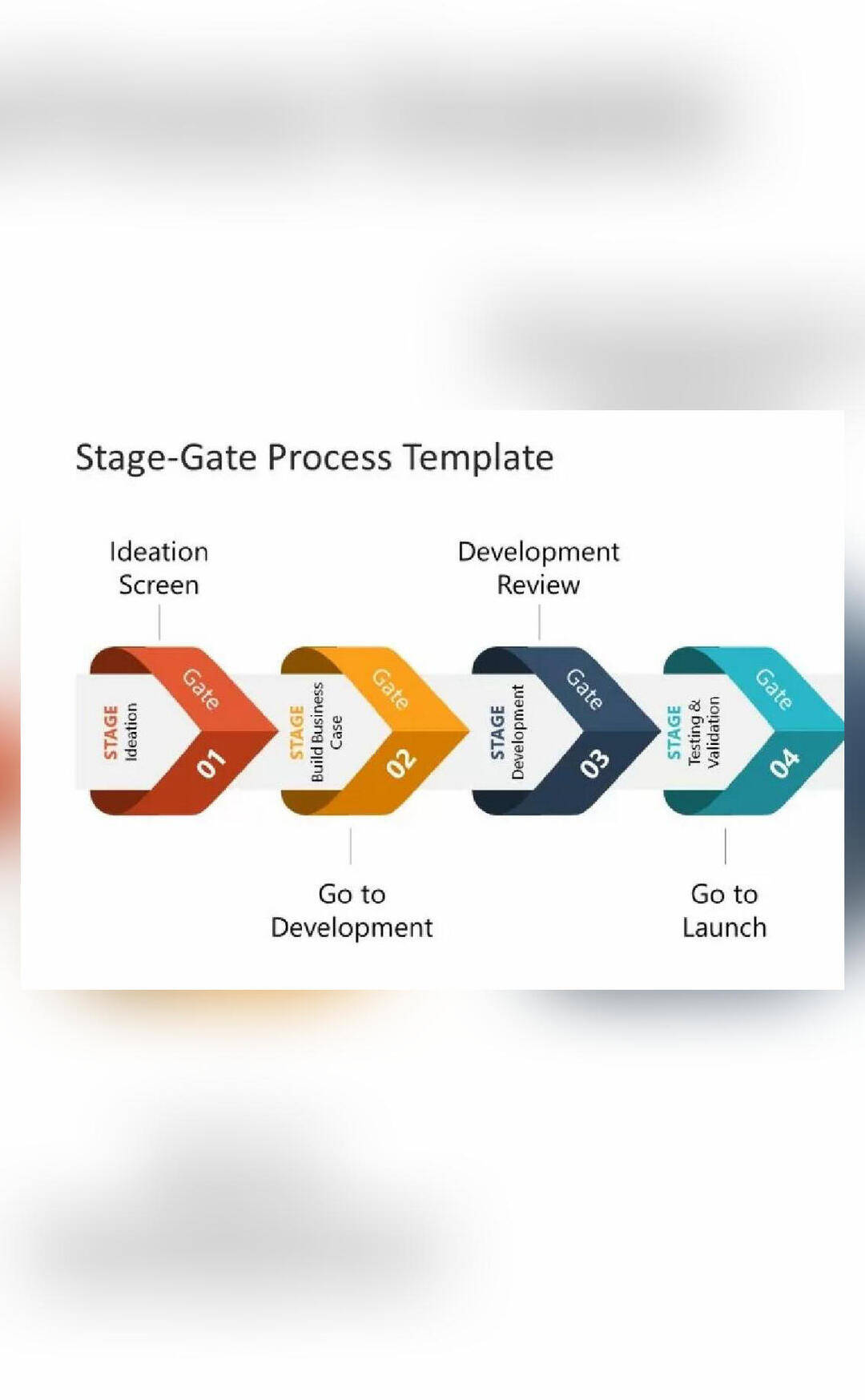
The stage-gate model is a linear, sequential approach to product development that consists of five distinct phases: idea, scoping, feasibility, development, validation, and launch. Each phase is designed to build on the previous one, with a go/no-go review at the end of each stage. This review process allows teams to assess the viability of the project, identify potential risks, and make informed decisions about whether to proceed or terminate the project.
The five phases of the stage-gate model are:
- Idea: This is the initial phase where ideas are generated, and the project is conceptualized. The goal is to identify potential opportunities and define the project’s scope and objectives.
- Scoping: In this phase, the project’s scope is further defined, and the team conducts preliminary research to validate the idea. The output of this phase is a detailed project plan, including timelines, budgets, and resource allocation.
- Feasibility: During this phase, the team conducts a thorough analysis of the project’s technical, financial, and market feasibility. The goal is to determine whether the project is viable and whether it aligns with the organization’s strategic objectives.
- Development: If the project is deemed feasible, the team proceeds to the development phase, where the product or service is designed, built, and tested. This phase involves significant investment, and the team must ensure that the project is on track to meet its objectives.
- Validation: In this phase, the product or service is tested with a small group of customers or users to validate its performance, quality, and market acceptance. The goal is to identify any issues or areas for improvement before the product is launched.
- Launch: The final phase is the launch, where the product or service is introduced to the market. The team must ensure that all necessary preparations have been made, including marketing, sales, and distribution.
Benefits of the Stage-Gate Model
The stage-gate model offers several benefits that can help organizations reduce the risk of product-launch failures. Some of the key benefits include:
- Early market checks: The stage-gate model forces teams to conduct early market checks, which helps to validate the idea and identify potential issues before significant investment is made.
- Risk analysis: The model requires teams to conduct thorough risk analyses at each stage, which helps to identify potential risks and develop mitigation strategies.
- Resource alignment: The stage-gate model ensures that resources are aligned with the project’s objectives, which helps to prevent over-investment in weak ideas.
- Go/no-go reviews: The go/no-go reviews at each stage provide a clear and objective assessment of the project’s viability, which helps to prevent teams from becoming too attached to a particular idea.
- Speed and efficiency: The stage-gate model helps to speed up execution by ensuring that teams are focused on the most promising projects and that resources are allocated efficiently.
Case Studies
Several organizations have successfully implemented the stage-gate model to reduce the risk of product-launch failures. For example, a leading consumer goods company used the stage-gate model to develop a new product line, which resulted in a 30% reduction in development time and a 25% increase in sales. Another example is a technology company that used the stage-gate model to develop a new software product, which resulted in a 40% reduction in development costs and a 50% increase in customer satisfaction.
Conclusion
In conclusion, the stage-gate model is a powerful tool that can help organizations reduce the risk of product-launch failures. By dividing the development process into structured phases, each with a go/no-go review, teams can ensure that only validated concepts reach the market. The model forces early market checks, risk analysis, and resource alignment, which helps to prevent over-investment in weak ideas. Organizations that use the stage-gate model can de-risk launches, speed up execution, and ensure that their products or services meet the needs of their customers.
To learn more about the stage-gate model and how it can help your organization reduce the risk of product-launch failures, visit https://www.growthjockey.com/blogs/stage-gate-model.
News Source: https://www.growthjockey.com/blogs/stage-gate-model
About the Author