How does a stage-gate model cut product-launch failures?
The process of launching a new product can be a daunting and complex task for any organization. With the ever-increasing competition in the market, it has become crucial for companies to ensure that their product launches are successful and meet the expectations of their target audience. However, the reality is that many product launches fail to achieve their desired outcomes, resulting in significant financial losses and damage to the company’s reputation. One of the key reasons for these failures is the lack of a structured approach to product development and launch. This is where the stage-gate model comes into play, a proven methodology that helps organizations to de-risk their product launches, speed up execution, and ensure that only validated concepts reach the market.
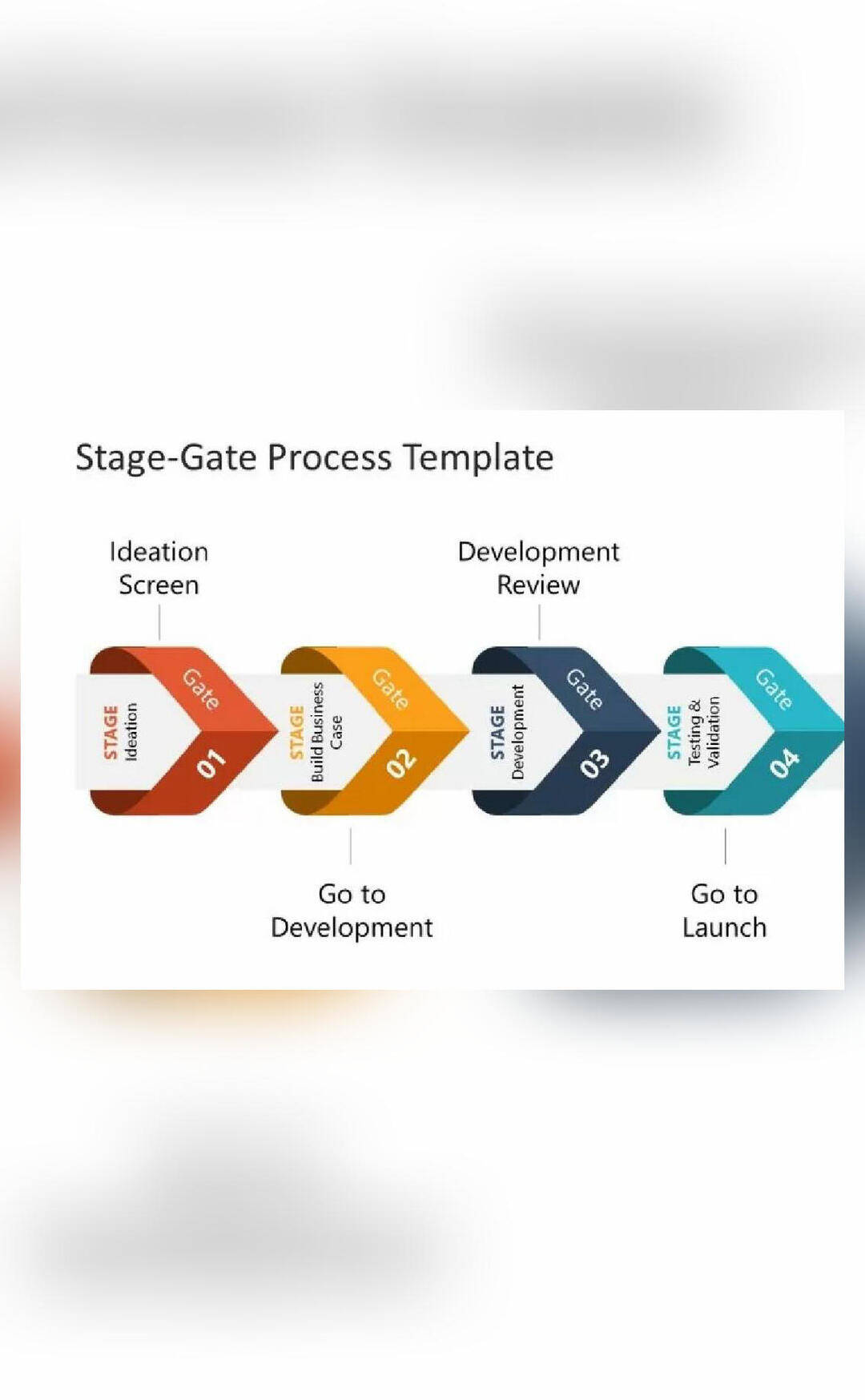
The stage-gate model is a phased approach to product development, which divides the process into a series of structured phases, each with a specific set of activities and deliverables. The five phases of the stage-gate model are:
- Idea: This is the initial phase where ideas for new products or services are generated and documented. The goal of this phase is to identify potential opportunities and to develop a preliminary business case for each idea.
- Scoping: In this phase, the ideas generated in the previous phase are evaluated and prioritized. The goal is to determine which ideas are worth pursuing further and to define the scope of the project.
- Feasibility: This phase involves conducting a detailed analysis of the feasibility of the project, including technical, financial, and market feasibility. The goal is to determine whether the project is viable and to identify any potential roadblocks.
- Development: In this phase, the product or service is developed, and the business plan is finalized. The goal is to create a fully functional product or service that meets the needs of the target market.
- Validation: This phase involves testing and validating the product or service with a small group of customers or users. The goal is to gather feedback and to identify any issues or areas for improvement.
- Launch: The final phase involves launching the product or service to the wider market. The goal is to execute a successful launch and to achieve the desired business outcomes.
Each phase of the stage-gate model has a go/no-go review, which is a critical gate that determines whether the project should proceed to the next phase or be terminated. This review involves evaluating the project’s progress, risks, and potential returns, and making a decision to either proceed, pause, or cancel the project.
The stage-gate model offers several benefits to organizations, including:
- De-risking launches: By breaking down the product development process into a series of phased gates, organizations can identify and mitigate risks early on, reducing the likelihood of launch failures.
- Speeding up execution: The stage-gate model enables organizations to focus on the most promising projects and to allocate resources more efficiently, resulting in faster time-to-market.
- Ensuring validated concepts: The model ensures that only validated concepts reach the market, reducing the risk of launching a product or service that does not meet the needs of the target audience.
The stage-gate model also forces teams to conduct early market checks, risk analysis, and resource alignment, which are critical components of a successful product launch. By conducting market research and testing the product or service with a small group of customers, organizations can gather valuable feedback and make any necessary adjustments before launching the product to the wider market.
In addition, the stage-gate model promotes a culture of continuous learning and improvement, where teams are encouraged to experiment, learn from their mistakes, and adapt to changing market conditions. This approach helps organizations to stay agile and responsive to customer needs, which is critical in today’s fast-paced and competitive business environment.
In conclusion, the stage-gate model is a powerful tool for organizations looking to reduce the risk of product-launch failures and to improve their overall innovation performance. By dividing the product development process into a series of structured phases, each with a go/no-go review, organizations can de-risk their launches, speed up execution, and ensure that only validated concepts reach the market. Whether you are a startup or an established company, the stage-gate model is a proven methodology that can help you to achieve your business goals and stay ahead of the competition.
For more information on the stage-gate model and how it can help your organization to improve its innovation performance, please visit: https://www.growthjockey.com/blogs/stage-gate-model
News Source: https://www.growthjockey.com/blogs/stage-gate-model
About the Author