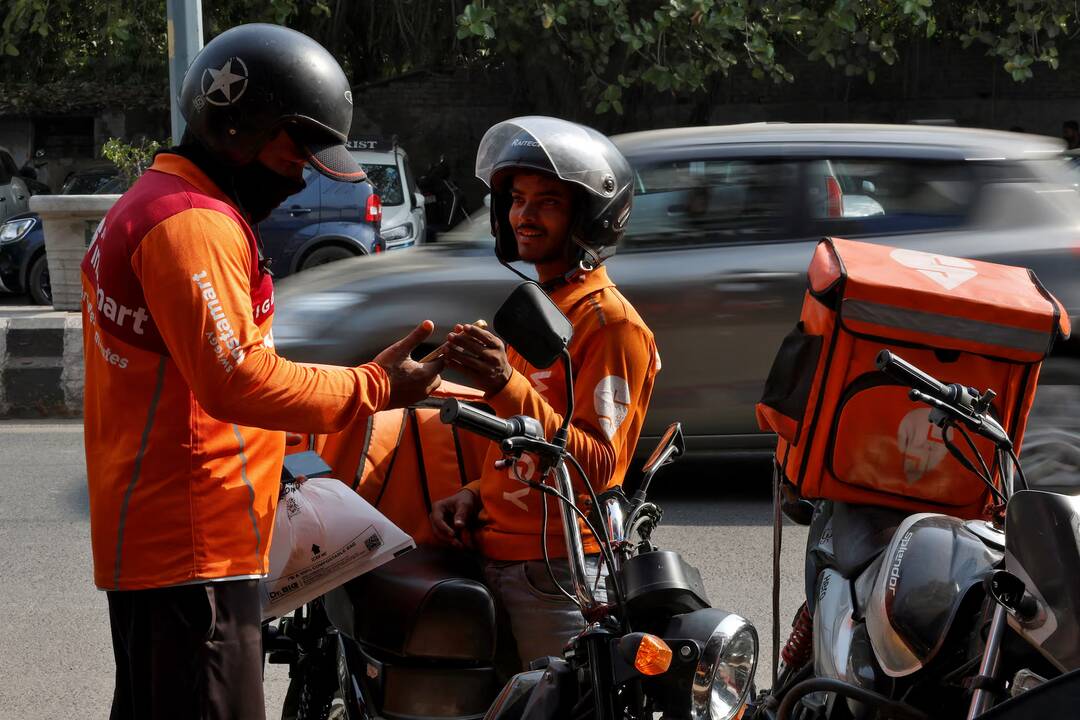
Gig economy India’s 3rd pillar, delivery partners got ₹5,000 cr last yr: Swiggy’s Rohit
The gig economy has become a significant contributor to the Indian economy, with Swiggy’s food marketplace chief, Rohit Kapoor, stating that it has become a “third pillar of livelihood” in the country. In a recent interview, Kapoor revealed that Swiggy paid out more than ₹5,000 crore to its delivery partners last year, highlighting the substantial income flowing back into their hands. This statement comes amid continued scrutiny of delivery partner earnings, with many raising concerns about the fairness of their compensation.
The gig economy, which includes companies like Swiggy, Zomato, and Ola, has grown exponentially in India over the past few years. With the rise of food delivery and ride-hailing services, the demand for delivery partners has increased significantly. According to Kapoor, the gig economy has become a vital source of income for many Indians, providing them with a flexible and lucrative way to earn a living.
The payment of ₹5,000 crore to delivery partners is a significant amount, and it highlights the importance of the gig economy in India. With many Indians struggling to find stable employment, the gig economy has provided a much-needed alternative. Delivery partners can choose when and how much they want to work, allowing them to balance their schedules and earn a decent income.
However, despite the benefits of the gig economy, there are still concerns about the fairness of delivery partner earnings. Many delivery partners have complained about the low pay and lack of benefits, with some even going on strike to demand better working conditions. Kapoor’s statement may be seen as an attempt to address these concerns, but it remains to be seen whether the payment of ₹5,000 crore will be enough to alleviate the issues faced by delivery partners.
The growth of the gig economy in India has also raised questions about the role of government regulation. With the sector growing at a rapid pace, there is a need for clearer guidelines and regulations to ensure that delivery partners are treated fairly. The government has already taken steps to regulate the gig economy, but more needs to be done to address the concerns of delivery partners.
In addition to the payment of ₹5,000 crore, Swiggy has also announced plans to improve the working conditions of its delivery partners. The company has launched several initiatives, including a program to provide delivery partners with insurance and other benefits. These initiatives are a step in the right direction, but more needs to be done to address the systemic issues faced by delivery partners.
The gig economy is not just limited to food delivery and ride-hailing services. It has expanded to include a wide range of sectors, from e-commerce to healthcare. With the rise of platforms like UrbanClap and TaskRabbit, Indians can now access a wide range of services, from home cleaning to handyman services. The gig economy has also created new opportunities for entrepreneurs, with many starting their own businesses and hiring delivery partners to work for them.
Despite the benefits of the gig economy, there are still challenges that need to be addressed. One of the main concerns is the lack of job security and benefits for delivery partners. Unlike traditional employees, delivery partners are not entitled to benefits like health insurance, pension, and paid leave. This can make it difficult for them to plan for the future and provide for their families.
Another challenge facing the gig economy is the issue of worker classification. Many companies, including Swiggy and Zomato, classify their delivery partners as independent contractors, rather than employees. This classification can make it difficult for delivery partners to access benefits and rights, and it has been the subject of much controversy.
In conclusion, the gig economy has become a significant contributor to the Indian economy, with Swiggy’s food marketplace chief, Rohit Kapoor, stating that it has become a “third pillar of livelihood” in the country. The payment of ₹5,000 crore to delivery partners last year highlights the substantial income flowing back into their hands. However, despite the benefits of the gig economy, there are still concerns about the fairness of delivery partner earnings and the lack of job security and benefits. To address these concerns, there is a need for clearer guidelines and regulations, as well as initiatives to improve the working conditions of delivery partners.
About the Author