Gig economy India’s 3rd pillar, delivery partners got ₹5,000 cr last yr: Swiggy’s Rohit
The gig economy has been a topic of discussion in recent years, with many experts weighing in on its potential to transform the way we work. In India, the gig economy has been growing rapidly, with many companies leveraging the power of freelance workers to deliver goods and services to customers. According to Rohit Kapoor, the food marketplace chief at Swiggy, the gig economy has become a “third pillar of livelihood” in India.
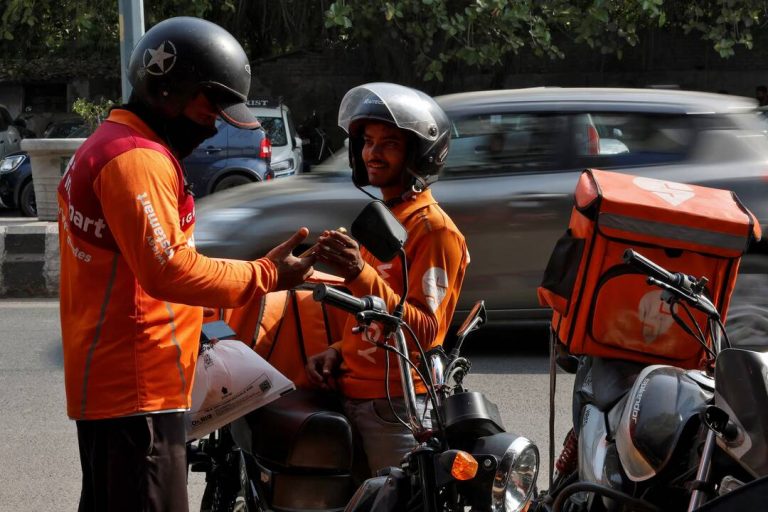
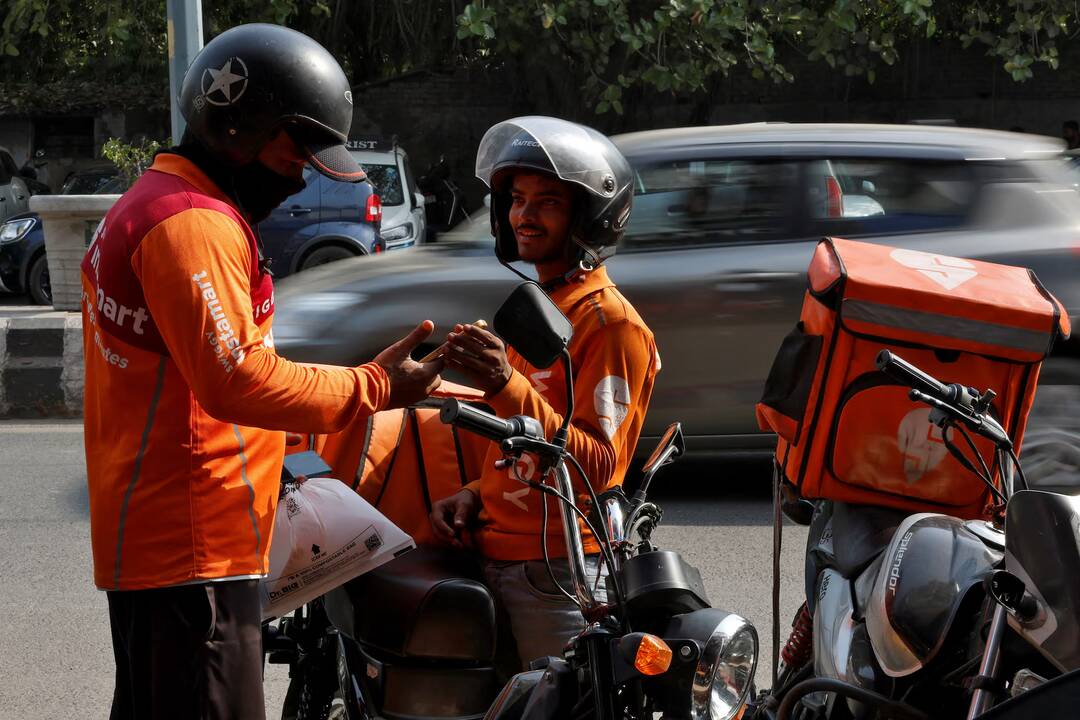
In a recent interview with Moneycontrol, Kapoor revealed that Swiggy’s delivery partners earned a substantial amount of money last year. “Last year, we would have paid out more than ₹5,000 crore, so there is a substantial amount of income flowing back into delivery partners’ hands,” he said. This statement is significant, given the ongoing debate about the earnings of delivery partners in the gig economy.
The gig economy has been criticized for its treatment of workers, with many arguing that companies are not doing enough to ensure fair pay and benefits for their freelance workers. However, Kapoor’s statement suggests that Swiggy is committed to providing a decent income to its delivery partners. The fact that the company paid out over ₹5,000 crore to its delivery partners last year is a testament to the significant role that the gig economy is playing in India’s economy.
The gig economy has been growing rapidly in India, driven by the increasing demand for food delivery, ride-hailing, and other services. Companies like Swiggy, Zomato, and Ola have been at the forefront of this growth, leveraging the power of technology to connect customers with freelance workers. The gig economy has created new opportunities for people to earn a living, particularly in urban areas where traditional employment opportunities may be scarce.
However, the gig economy has also been criticized for its lack of job security and benefits for workers. Many delivery partners and drivers have complained about the low pay and long working hours, with some even going on strike to demand better working conditions. The Indian government has also been under pressure to regulate the gig economy, with many calling for laws to protect the rights of freelance workers.
Despite these challenges, the gig economy is likely to continue growing in India, driven by the increasing demand for convenience and flexibility. As Kapoor noted, the gig economy has become a “third pillar of livelihood” in India, providing a new source of income for many people. The fact that Swiggy’s delivery partners earned over ₹5,000 crore last year is a testament to the potential of the gig economy to create new economic opportunities.
In addition to providing a new source of income, the gig economy is also creating new opportunities for entrepreneurship and innovation. Many startups are leveraging the power of the gig economy to create new products and services, from food delivery to home cleaning. The gig economy is also providing a platform for small businesses and individuals to reach a wider audience, creating new opportunities for growth and development.
As the gig economy continues to grow in India, it is likely that we will see new innovations and opportunities emerge. Companies like Swiggy and Zomato are already exploring new ways to leverage the power of the gig economy, from partnering with small businesses to creating new products and services. The Indian government is also likely to play a role in shaping the future of the gig economy, with many calling for regulations to protect the rights of freelance workers.
In conclusion, the gig economy has become a significant player in India’s economy, providing a new source of income and opportunities for many people. As Rohit Kapoor noted, the gig economy has become a “third pillar of livelihood” in India, with Swiggy’s delivery partners earning over ₹5,000 crore last year. While there are challenges to be addressed, the gig economy is likely to continue growing in India, driven by the increasing demand for convenience and flexibility.
About the Author