Elon Musk’s SpaceX delays Mars plans for 2027 Moon landing: WSJ
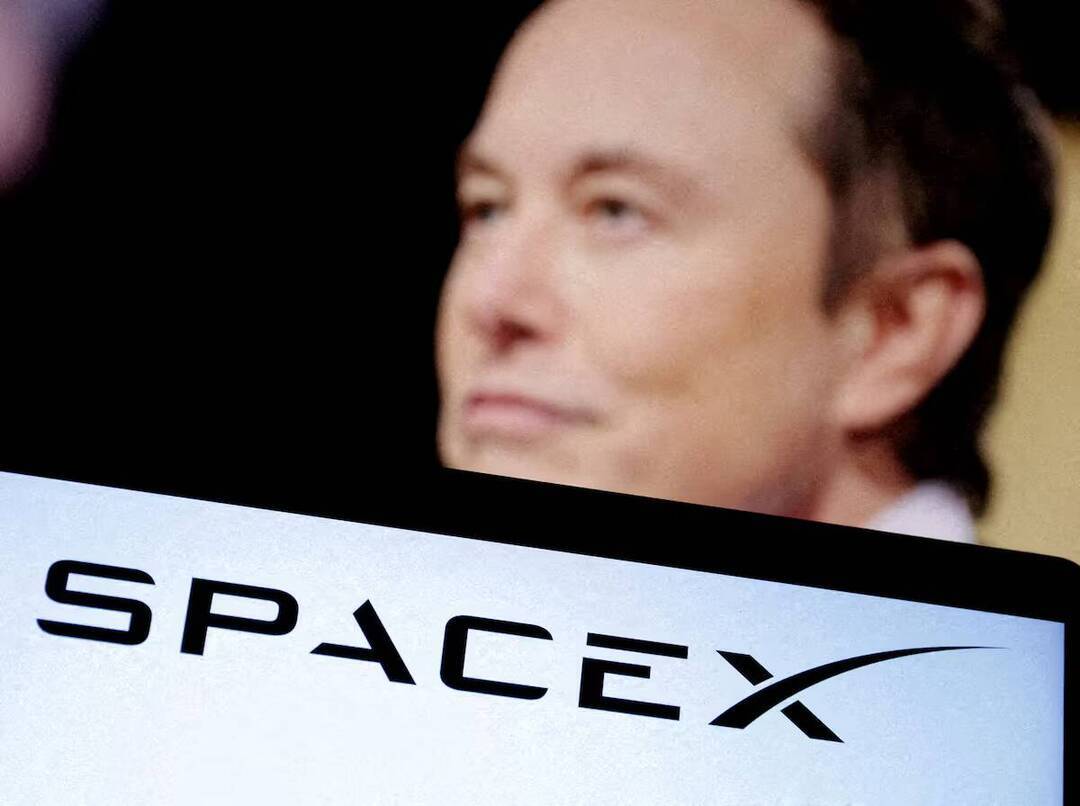
In a significant shift in its priorities, Elon Musk’s SpaceX has delayed its plans to launch a trip to Mars, opting instead to focus on its Moon mission. According to a report by the Wall Street Journal, the space venture has informed its investors that it is targeting a lunar landing without astronauts on board for March 2027. This development comes on the heels of Musk’s decision to merge SpaceX and his AI start-up xAI into a single entity valued at a staggering $1.25 trillion.
The decision to delay the Mars mission is a notable departure from SpaceX’s previously stated goals. Musk had long been vocal about his ambitions to send humans to Mars, with the ultimate aim of establishing a permanent, self-sustaining human presence on the Red Planet. However, it appears that the company has decided to prioritize its lunar mission, at least for the time being.
The lunar mission, which is slated to launch in March 2027, will involve sending an uncrewed spacecraft to the Moon’s surface. While this may seem like a relatively modest goal compared to the ambitious plans for Mars, it is still a significant undertaking that will require careful planning and execution. The mission will likely involve a range of technological and logistical challenges, from navigating the spacecraft to the Moon’s surface to ensuring the safe landing and deployment of the spacecraft’s payload.
The decision to delay the Mars mission may be seen as a pragmatic move by SpaceX, given the significant technical and financial challenges involved in sending humans to the Red Planet. Establishing a human settlement on Mars will require the development of a range of complex technologies, from advanced life support systems to reliable and efficient propulsion systems. Additionally, the mission will require significant financial resources, which may be difficult to secure in the current economic climate.
By focusing on the lunar mission, SpaceX may be able to gain valuable experience and insights that can be applied to future missions, including the eventual trip to Mars. The lunar mission will provide an opportunity for the company to test and refine its technologies, as well as to develop the necessary expertise and capabilities to support more complex and ambitious missions.
The merger of SpaceX and xAI into a single entity is also significant, as it brings together two of Musk’s most ambitious and innovative ventures under one roof. The combined entity, which is valued at $1.25 trillion, will have the resources and expertise to pursue a range of ambitious projects, from space exploration to artificial intelligence.
The implications of this development are far-reaching and significant. With its combined resources and expertise, the new entity will be well-positioned to drive innovation and advancement in a range of fields, from space exploration to AI and machine learning. The company’s focus on the lunar mission, combined with its ambitious plans for Mars and beyond, make it a major player in the rapidly evolving space industry.
As the space industry continues to evolve and mature, it is likely that we will see significant advancements and innovations in the years to come. With companies like SpaceX and xAI at the forefront of this effort, it is exciting to think about the possibilities that the future may hold. From establishing a human settlement on Mars to developing advanced AI and machine learning capabilities, the potential for growth and innovation is vast and limitless.
In conclusion, the decision by SpaceX to delay its Mars plans and focus on its lunar mission is a significant development that reflects the company’s pragmatic and ambitious approach to space exploration. By prioritizing the lunar mission, SpaceX can gain valuable experience and insights that can be applied to future missions, while also driving innovation and advancement in the space industry. As the company continues to evolve and grow, it will be exciting to see what the future holds for SpaceX and its ambitious plans for space exploration.
Source: https://www.reuters.com/science/spacex-delays-mars-plans-focus-moon-wsj-reports-2026-02-06/
About the Author