Elon Musk’s SpaceX delays Mars plans for 2027 Moon landing: WSJ
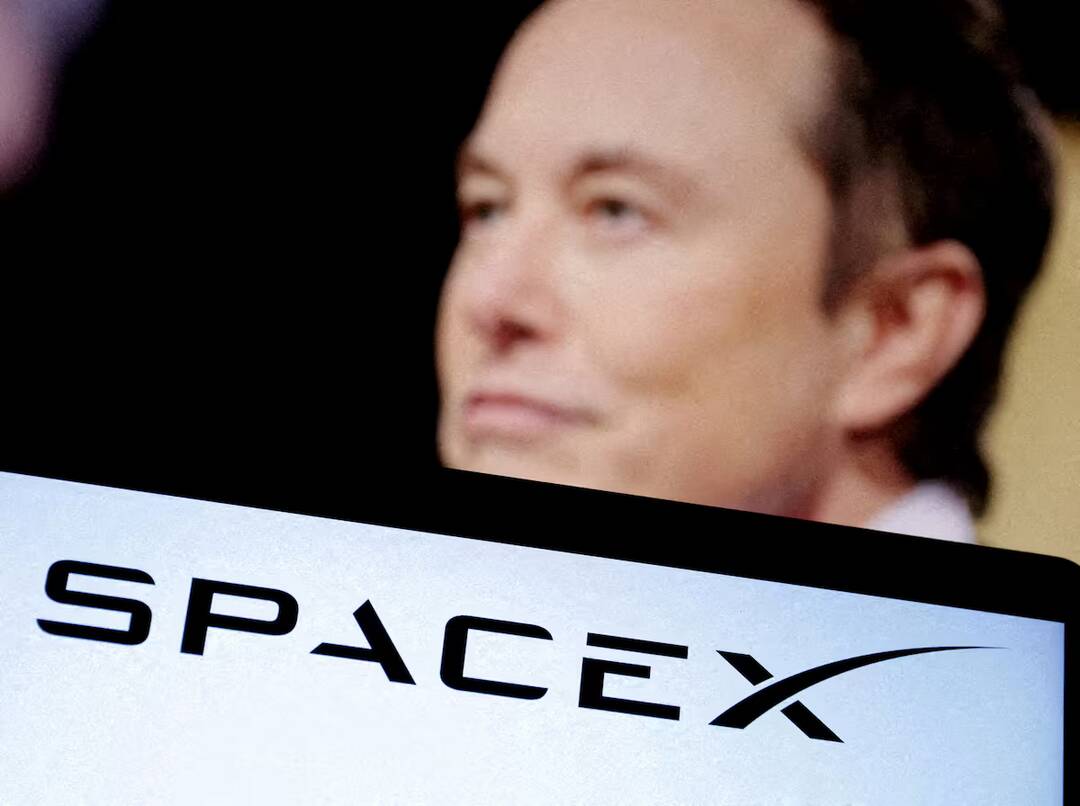
In a significant development, Elon Musk’s SpaceX has delayed its plans to launch a trip to Mars, opting instead to focus on its Moon mission. According to a report by the Wall Street Journal, the space venture has informed investors that it is targeting a lunar landing without astronauts on board for March 2027. This news comes on the heels of Musk’s decision to merge SpaceX and his AI start-up xAI into one entity, valued at a staggering $1.25 trillion.
The decision to delay the Mars mission is likely to come as a surprise to many, given Musk’s long-stated ambition to establish a human settlement on the Red Planet. However, it appears that the company has decided to prioritize its Moon mission, which is seen as a critical stepping stone for deeper space exploration. By focusing on the lunar landing, SpaceX can test its technology, gain valuable experience, and build momentum for its future endeavors.
The Moon mission, which is scheduled to take place in March 2027, will involve a lunar landing without astronauts on board. This will be a significant milestone for SpaceX, as it will demonstrate the company’s ability to launch a successful mission to the Moon and return to Earth. The mission will also provide valuable insights and data that will be crucial for future missions, including those to Mars.
The delay in the Mars mission is not entirely unexpected, given the significant technical and logistical challenges involved in sending humans to the Red Planet. Establishing a human settlement on Mars will require significant resources, infrastructure, and technological advancements, and it is likely that SpaceX will need to overcome numerous hurdles before it can achieve its goal.
Despite the delay, Musk’s vision for a human settlement on Mars remains unchanged. In a recent statement, the billionaire entrepreneur reiterated his commitment to making humanity a multi-planetary species, with Mars being the primary target. However, it is clear that the journey to Mars will be a long and complex one, requiring significant investment, innovation, and perseverance.
The merger of SpaceX and xAI is also an interesting development, as it brings together two of Musk’s most ambitious ventures under one roof. The combined entity, valued at $1.25 trillion, will have significant resources and capabilities at its disposal, enabling it to pursue its goals with greater speed and efficiency. The integration of xAI’s AI technology with SpaceX’s space exploration capabilities is likely to yield significant benefits, enabling the company to develop more advanced and autonomous systems for space exploration.
The implications of SpaceX’s decision to delay its Mars mission are significant, not just for the company but for the space industry as a whole. The delay is likely to have a ripple effect, influencing the plans and timelines of other space agencies and companies that are also pursuing Mars missions. However, it is also a reminder that space exploration is a complex and challenging endeavor, requiring patience, persistence, and significant resources.
In conclusion, the delay in SpaceX’s Mars mission is a significant development, but it is not a setback. Instead, it is a reflection of the company’s commitment to getting it right, to ensuring that its technology and capabilities are ready for the challenges of deep space exploration. The focus on the Moon mission is a critical step in this process, and it will provide valuable insights and experience that will be essential for future missions to Mars and beyond.
As the space industry continues to evolve and mature, it is likely that we will see significant advancements in technology, capabilities, and infrastructure. The journey to Mars and beyond will be a long and complex one, but with companies like SpaceX leading the way, it is clear that humanity is on the cusp of a new era of space exploration and discovery.
News Source: https://www.reuters.com/science/spacex-delays-mars-plans-focus-moon-wsj-reports-2026-02-06/
About the Author