Elon Musk’s SpaceX delays Mars plans for 2027 Moon landing: WSJ
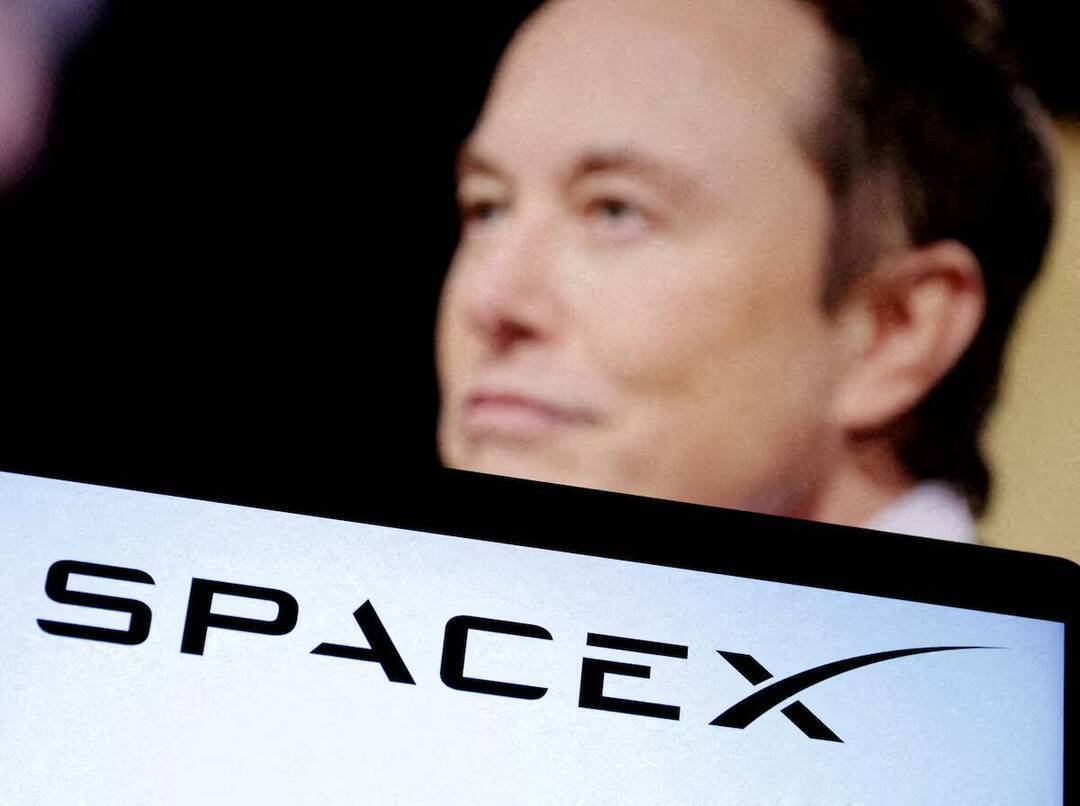
In a significant shift in its space exploration plans, Elon Musk’s SpaceX has announced that it is delaying its ambitious mission to Mars in order to focus on a lunar landing mission, according to a report by the Wall Street Journal. The space venture has informed its investors that it is now targeting a March 2027 launch for a Moon mission, which will not include astronauts on board. This news comes on the heels of Musk’s decision to merge SpaceX with his AI start-up xAI, creating a single entity worth a staggering $1.25 trillion.
The delay in SpaceX’s Mars plans is a notable development, as the company had previously been working towards establishing a human settlement on the Red Planet. However, it appears that Musk has decided to prioritize the Moon mission, which is seen as a crucial step towards eventually sending humans to Mars. By focusing on the lunar landing, SpaceX can test and refine its technologies, including its Starship spacecraft, in a more proximal and accessible environment.
The Moon mission, which is scheduled to launch in March 2027, will be an uncrewed mission, meaning that it will not include astronauts on board. This will allow SpaceX to test the capabilities of its Starship spacecraft, which is designed to be reusable and capable of carrying both crew and cargo to the Moon and beyond. The mission will also provide valuable insights and data that will be crucial in planning for future crewed missions to the Moon and eventually to Mars.
The decision to delay the Mars mission is likely to be seen as a pragmatic one, given the significant technical and logistical challenges involved in sending humans to the Red Planet. Establishing a human settlement on Mars will require the development of a reliable and sustainable transportation system, as well as the creation of infrastructure and life support systems that can support human life for extended periods.
By focusing on the Moon mission, SpaceX can take a more incremental approach to space exploration, testing and refining its technologies in a more accessible and forgiving environment. The Moon is much closer to Earth than Mars, and it provides a more convenient and cost-effective testing ground for SpaceX’s spacecraft and technologies.
The merger of SpaceX and xAI is also significant, as it creates a single entity with a valuation of $1.25 trillion. This merger is likely to provide SpaceX with access to more resources and expertise, which will be crucial in supporting its ambitious plans for space exploration. xAI is an AI start-up that is focused on developing advanced artificial intelligence technologies, which could potentially be used to support SpaceX’s mission planning and operations.
The news of the delayed Mars mission and the focus on the Moon landing has significant implications for the space industry as a whole. It suggests that SpaceX is taking a more cautious and incremental approach to space exploration, prioritizing the development of its technologies and capabilities over more ambitious and longer-term goals.
In conclusion, the delay in SpaceX’s Mars plans is a significant development that reflects the company’s focus on the Moon landing mission. By prioritizing the lunar mission, SpaceX can test and refine its technologies, including its Starship spacecraft, in a more proximal and accessible environment. The merger of SpaceX and xAI provides the company with access to more resources and expertise, which will be crucial in supporting its ambitious plans for space exploration. As the space industry continues to evolve and grow, it will be interesting to see how SpaceX’s plans and priorities continue to shape the future of space exploration.
Source: https://www.reuters.com/science/spacex-delays-mars-plans-focus-moon-wsj-reports-2026-02-06/
About the Author