Delivery partners have average speed of 15kmph: Deepinder on 10-minute deliveries
In a recent statement, Zomato Founder Deepinder Goyal shed light on the logistics behind the company’s 10-minute delivery system. This comes a day after gig workers staged a strike, seeking a ban on the 10-minute delivery system among other demands. The strike highlighted the concerns of delivery partners regarding the feasibility and safety of such rapid deliveries. However, according to Goyal, the quick deliveries are enabled by the density of stores and not by delivery partners driving at high speeds.
Goyal took to social media to explain the mechanics behind Zomato’s 10-minute delivery system. He stated that the average distance covered by a delivery partner is under 2 kilometers, which takes approximately 8 minutes to complete. This translates to an average speed of 15 kilometers per hour. “The rider drives an average of under 2kms in about 8 minutes…That’s an average of 15kmph,” he said. This revelation may come as a surprise to many, as the concept of 10-minute deliveries often conjures up images of delivery partners speeding through traffic to meet the deadline.
The density of stores is a crucial factor in enabling quick deliveries. By having a large number of stores in close proximity to each other, Zomato is able to reduce the distance that delivery partners need to travel. This, in turn, allows for faster deliveries without compromising on safety. Goyal’s statement suggests that the company has carefully planned its logistics to ensure that delivery partners are not required to drive at high speeds to meet the 10-minute deadline.
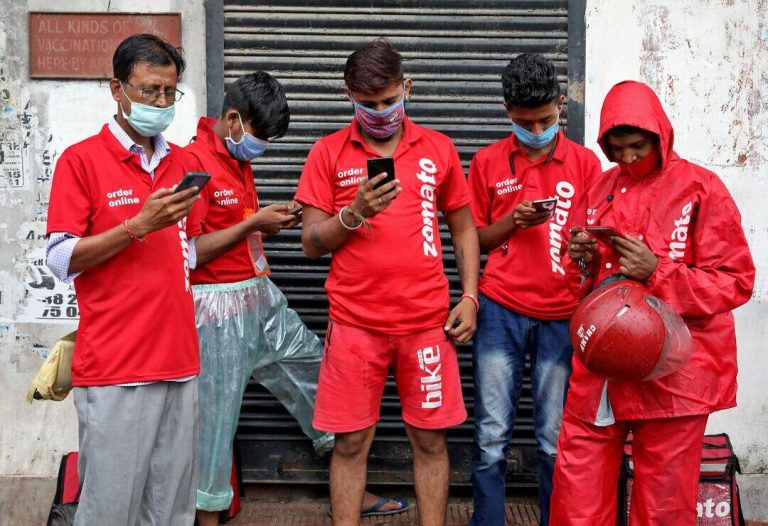
The strike by gig workers, however, highlights the concerns of delivery partners regarding the 10-minute delivery system. The workers are seeking better working conditions, higher pay, and a ban on the 10-minute delivery system, which they claim is unsustainable and poses a risk to their safety. The strike has brought attention to the plight of gig workers, who are often required to work long hours in challenging conditions.
The 10-minute delivery system has been a key differentiator for Zomato, allowing the company to stand out in a crowded food delivery market. However, the system has also raised concerns about the impact on traffic, road safety, and the well-being of delivery partners. As the food delivery market continues to evolve, companies like Zomato must balance the need for quick deliveries with the need to ensure the safety and well-being of their delivery partners.
Goyal’s statement is an attempt to address some of these concerns and provide a clearer understanding of how the 10-minute delivery system works. By highlighting the role of store density in enabling quick deliveries, Goyal is seeking to reassure customers and delivery partners that the system is designed with safety in mind. However, the concerns of gig workers must also be addressed, and companies like Zomato must work to create a more sustainable and equitable system for their delivery partners.
In conclusion, the 10-minute delivery system is a complex issue that requires careful consideration of multiple factors. While Goyal’s statement provides insight into the logistics behind the system, it is clear that there are still concerns that need to be addressed. As the food delivery market continues to grow and evolve, companies like Zomato must prioritize the safety and well-being of their delivery partners, while also providing customers with the quick and convenient service they expect.
News Source: https://x.com/deepigoyal/status/2006738218339766488
About the Author