Deepinder claims issue with gig economy is it exposed class divide, says ‘We tip awkwardly’
The gig economy has been a topic of discussion for many years, with its impact on the workforce and the economy as a whole being debated by experts and policymakers. However, according to billionaire Deepinder Goyal, the problem with the gig economy is not its economic implications, but rather the fact that it has exposed the prevailing class divide in our society. In a recent statement, Goyal claimed that the gig economy has brought to light the systemic inequality that exists in our society, making it impossible for us to ignore.
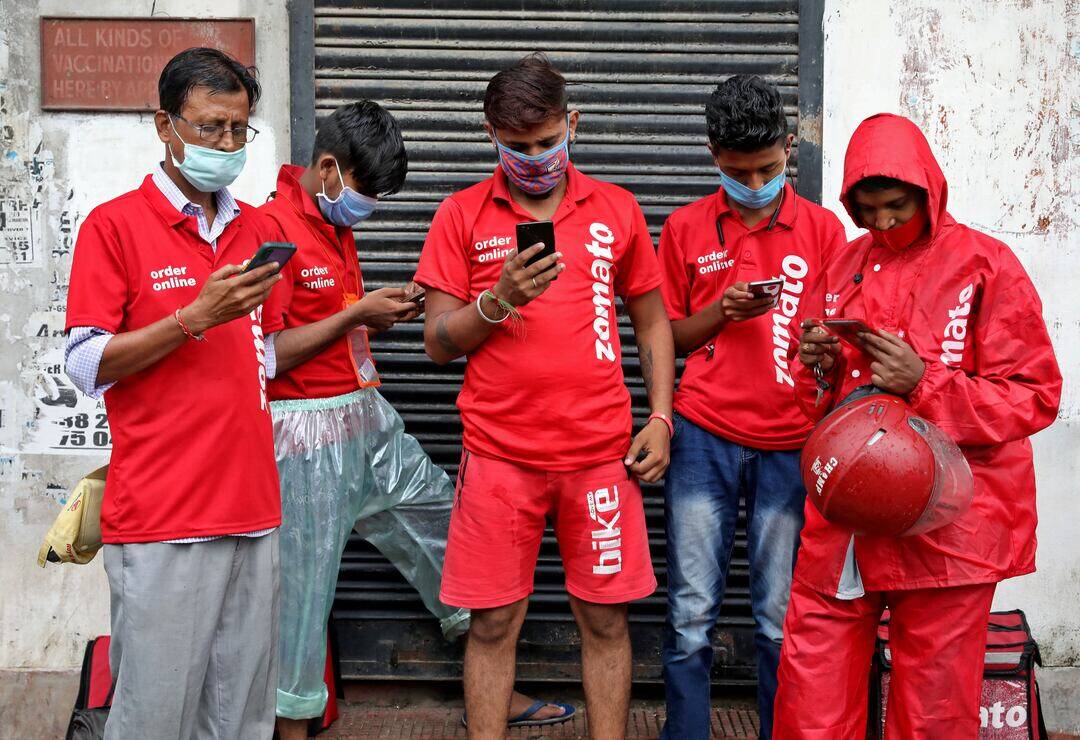
Goyal’s statement highlights the fact that the gig economy has made the poor and marginalized sections of society more visible to the consuming class. “Suddenly, poor aren’t hidden away,” he said. “Now, every doorbell is a reminder of systemic inequality.” This statement rings true, as the gig economy has indeed made it possible for people from all walks of life to interact with each other in ways that were previously not possible. With the rise of food delivery and ride-hailing services, people from different socio-economic backgrounds are now interacting with each other on a daily basis, making it impossible to ignore the stark contrasts between their lives.
The gig economy has also made it possible for people to see the human face behind the services they use. For example, when we order food online, we are no longer just interacting with a faceless company, but with a real person who is delivering our food to our doorstep. This has made it possible for us to see the struggles and hardships faced by these workers, who are often forced to work long hours for minimal pay and benefits. As Goyal said, “We aren’t just debating economics, we’re confronting guilt.” The guilt of knowing that the person who delivered our food or drove us to our destination is struggling to make ends meet, while we enjoy the comforts of our lives.
This guilt is reflected in the way we tip these workers. As Goyal said, “We tip awkwardly…because inequality is no longer abstract.” Tipping has become a way for us to acknowledge the humanity of these workers and to show our appreciation for their services. However, it is also a reminder of the fact that these workers are not being paid a living wage, and that they are forced to rely on our tips to make ends meet. This is a stark reminder of the systemic inequality that exists in our society, and the fact that we are complicit in perpetuating it.
The gig economy has also highlighted the issue of labor rights and worker protection. Many gig economy workers are classified as independent contractors, rather than employees, which means that they are not entitled to the same benefits and protections as traditional employees. This has led to a lack of job security, poor working conditions, and minimal benefits for these workers. As Goyal said, the gig economy has made it possible for us to see the human face behind these statistics, and to understand the impact that these policies have on real people.
In conclusion, the gig economy has indeed exposed the class divide in our society, making it impossible for us to ignore the systemic inequality that exists. As Goyal said, “We aren’t just debating economics, we’re confronting guilt.” The way we tip these workers is a reflection of this guilt, and a reminder of the fact that we are complicit in perpetuating this inequality. It is time for us to acknowledge this reality and to work towards creating a more equitable society, where all workers are treated with dignity and respect.
The statement by Deepinder Goyal has sparked a much-needed conversation about the impact of the gig economy on our society. It is time for us to think critically about the ways in which we are perpetuating inequality, and to work towards creating a more just and equitable society. As we move forward, it is essential that we prioritize the well-being and dignity of all workers, regardless of their background or occupation.
In the end, the gig economy is not just an economic phenomenon, but a social and cultural one as well. It has the power to both unite and divide us, and it is up to us to ensure that it is used to promote greater understanding and empathy, rather than perpetuating inequality and exploitation. As we continue to navigate the complexities of the gig economy, it is essential that we keep the words of Deepinder Goyal in mind, and work towards creating a more just and equitable society for all.
News Source: https://x.com/deepigoyal/status/2007030873711927381
About the Author