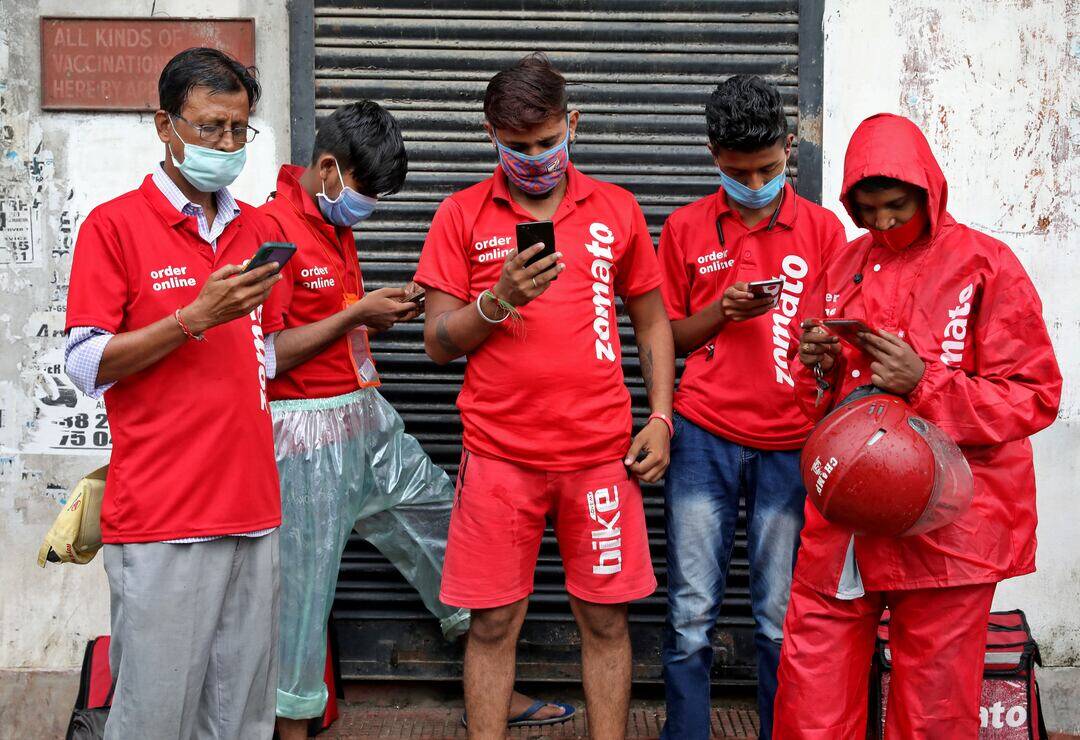
Deepinder claims issue with gig economy is it exposed class divide, says ‘We tip awkwardly’
The gig economy has been a subject of debate for several years now, with many questioning its impact on workers, consumers, and the economy as a whole. While some argue that it has created new opportunities for flexible work and entrepreneurship, others claim that it has exacerbated existing social and economic problems. Recently, billionaire Deepinder Goyal weighed in on the issue, offering a unique perspective on the gig economy’s problems. According to Goyal, the main issue with the gig economy is not its economic model or treatment of workers, but rather the fact that it has exposed the prevailing class divide in our society.
Goyal’s comments were made in a recent statement, where he noted that the gig economy has brought the existing class divide to light by ensuring that workers are seen by the consuming class. “Suddenly, poor aren’t hidden away…Now, every doorbell is a reminder of systemic inequality,” he said. This statement highlights the fact that the gig economy has made it impossible to ignore the economic disparities that exist in our society. With the rise of food delivery and ride-hailing services, consumers are constantly reminded of the people who are working behind the scenes to provide these services.
Goyal’s comments also touched on the emotional response that many people have when interacting with gig economy workers. “We aren’t just debating economics, we’re confronting guilt…We tip awkwardly…because inequality is no longer abstract,” he said. This statement highlights the fact that the gig economy has made inequality a tangible and personal issue, rather than just a abstract concept. When we interact with gig economy workers, we are forced to confront the reality of economic inequality and the role that we play in perpetuating it.
The issue of tipping is a particularly interesting one in the context of the gig economy. On the one hand, tipping is seen as a way to show appreciation for good service and to supplement the income of workers who may not be earning a living wage. On the other hand, tipping can also be seen as a way to avoid addressing the underlying issues of economic inequality. By tipping generously, consumers may feel like they are doing their part to help workers, but this does not address the fact that these workers are often struggling to make ends meet.
Goyal’s comments also highlight the fact that the gig economy has created a new kind of social dynamic, one in which consumers are constantly interacting with workers who are providing them with services. This has created a sense of awkwardness and guilt, as consumers are forced to confront the reality of economic inequality. For example, when we order food from a delivery service, we may feel a sense of guilt when we see the worker who is delivering our food, knowing that they may be struggling to make a living wage.
The implications of Goyal’s comments are significant, and they highlight the need for a more nuanced and thoughtful approach to the gig economy. Rather than simply debating the economic merits of the gig economy, we need to consider the social and emotional impacts that it is having on workers and consumers. We need to think about how we can create a more equitable and just system, one that values the contributions of all workers and provides them with a living wage.
Furthermore, Goyal’s comments also highlight the need for greater awareness and understanding of the issues surrounding the gig economy. By acknowledging the class divide and the role that we play in perpetuating it, we can begin to work towards creating a more just and equitable society. This will require a fundamental shift in the way that we think about work and economics, and it will require us to confront the uncomfortable realities of economic inequality.
In conclusion, Deepinder Goyal’s comments on the gig economy offer a unique perspective on the issues surrounding this topic. By highlighting the fact that the gig economy has exposed the prevailing class divide in our society, Goyal’s comments encourage us to think more deeply about the social and emotional impacts of the gig economy. Rather than simply debating the economic merits of the gig economy, we need to consider the ways in which it is shaping our society and our relationships with one another. By doing so, we can begin to work towards creating a more just and equitable system, one that values the contributions of all workers and provides them with a living wage.
Source: https://x.com/deepigoyal/status/2007030873711927381
About the Author