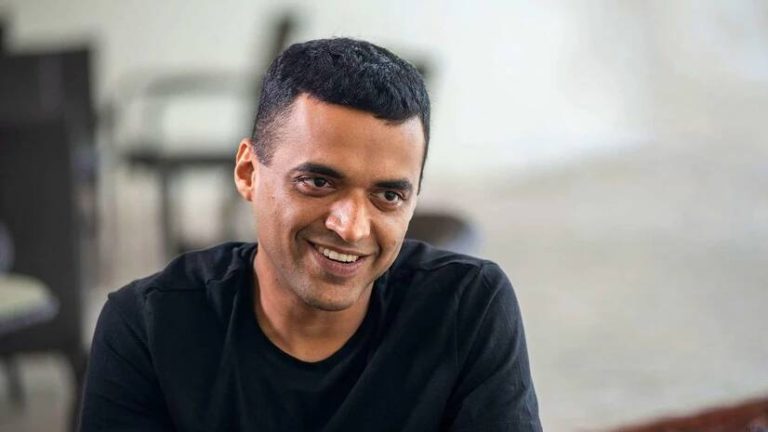
Deepinder claims issue with gig economy is it exposed class divide, says ‘We tip awkwardly’
The gig economy, which has been a subject of intense debate in recent years, has been criticized for its treatment of workers, lack of job security, and poor working conditions. However, billionaire Deepinder Goyal has offered a unique perspective on the issue, claiming that the problem with the gig economy is not its inherent flaws, but rather the fact that it has exposed the prevailing class divide in our society.
According to Goyal, the gig economy has brought to light the stark contrast between the haves and have-nots, making it impossible for the consuming class to ignore the plight of the working class. “Suddenly, the poor aren’t hidden away,” he said. “Now, every doorbell is a reminder of systemic inequality.” This statement highlights the fact that the gig economy has made the working class more visible, forcing the consuming class to confront the reality of inequality.
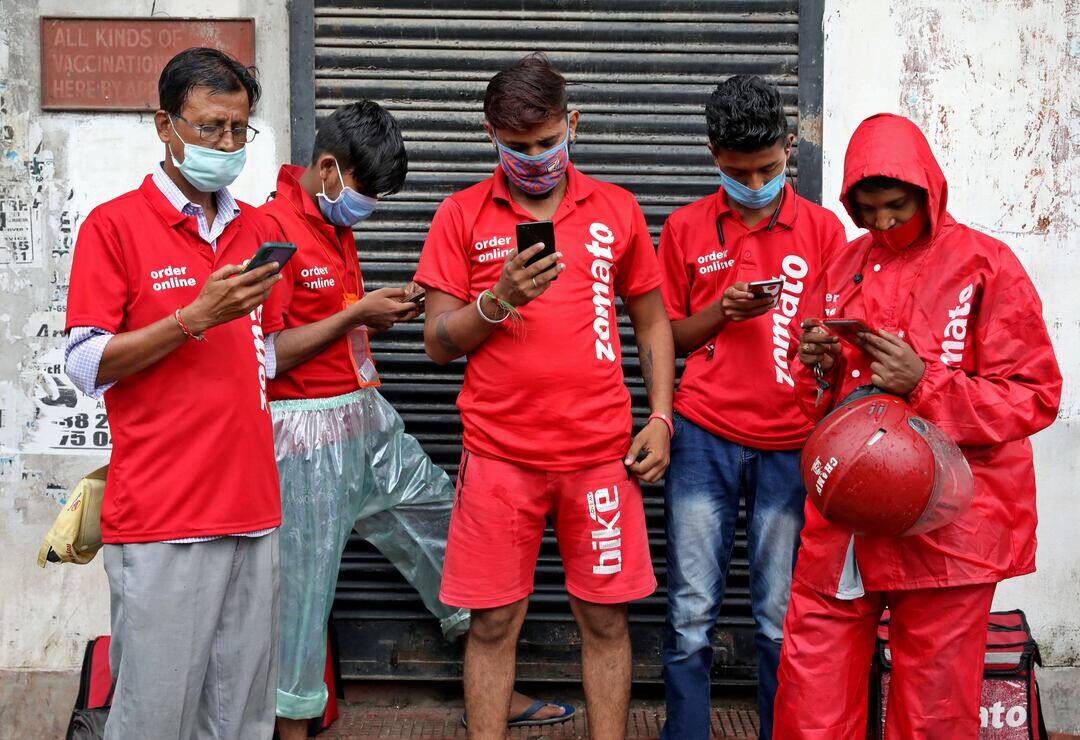
Goyal’s comments suggest that the gig economy has torn down the veil of ignorance that has long separated the rich from the poor. In the past, the working class was often invisible, toiling behind the scenes to provide services to the wealthy. However, with the rise of the gig economy, workers are now more visible than ever, delivering food to our doorsteps, driving us around, and providing other essential services.
This increased visibility has led to a sense of discomfort among the consuming class, who are now forced to confront the reality of inequality. As Goyal put it, “We aren’t just debating economics, we’re confronting guilt.” This guilt arises from the fact that we are now face to face with the people who are struggling to make ends meet, and we are forced to acknowledge the vast disparities in wealth and opportunity that exist in our society.
One of the most striking examples of this guilt is the way we tip gig workers. As Goyal said, “We tip awkwardly…because inequality is no longer abstract.” Tipping has become a way for us to assuage our guilt, to make up for the fact that we are paying workers a pittance for their labor. However, this practice also highlights the arbitrary nature of our economic system, where the value of a person’s work is determined by the whims of the market rather than their actual worth.
The gig economy has also raised important questions about the nature of work and the social contract. As more and more people are forced into precarious and unstable work arrangements, we are being forced to confront the fact that our economic system is no longer providing the same level of security and stability that it once did. This has led to a growing sense of anxiety and uncertainty, as people struggle to make ends meet and plan for the future.
In this context, Goyal’s comments can be seen as a call to action, a reminder that we need to rethink our economic system and find new ways to address the issue of inequality. By acknowledging the class divide and the guilt that comes with it, we can begin to build a more just and equitable society, where everyone has access to the same opportunities and resources.
Ultimately, the gig economy is a symptom of a larger problem, one that requires a fundamental transformation of our economic system. As we move forward, it is essential that we prioritize the needs of workers and the planet, and work towards creating a more sustainable and equitable future for all.
In conclusion, Deepinder Goyal’s comments on the gig economy offer a unique perspective on the issue, highlighting the fact that the problem is not with the economy itself, but rather with the way it has exposed the class divide in our society. As we continue to grapple with the challenges of the gig economy, it is essential that we acknowledge the guilt and discomfort that comes with it, and work towards creating a more just and equitable society for all.
News source: https://x.com/deepigoyal/status/2007030873711927381
About the Author