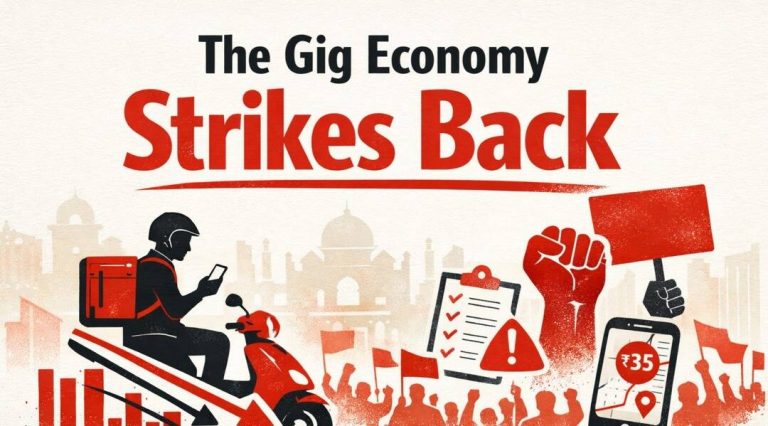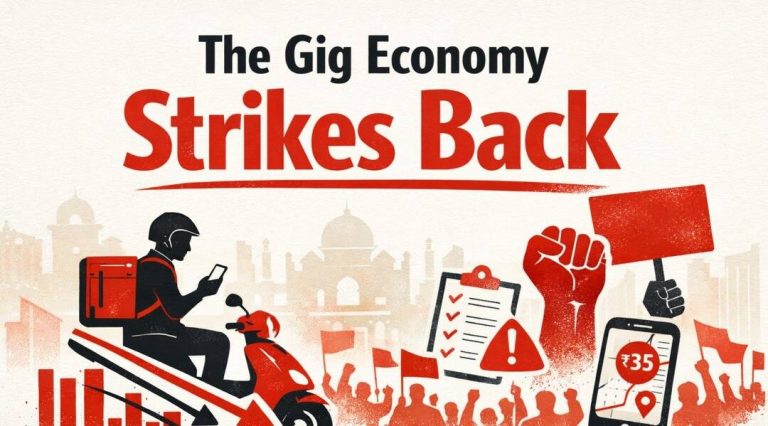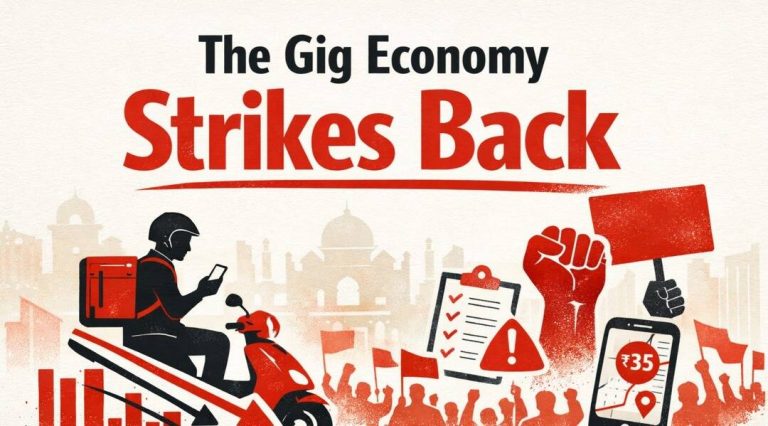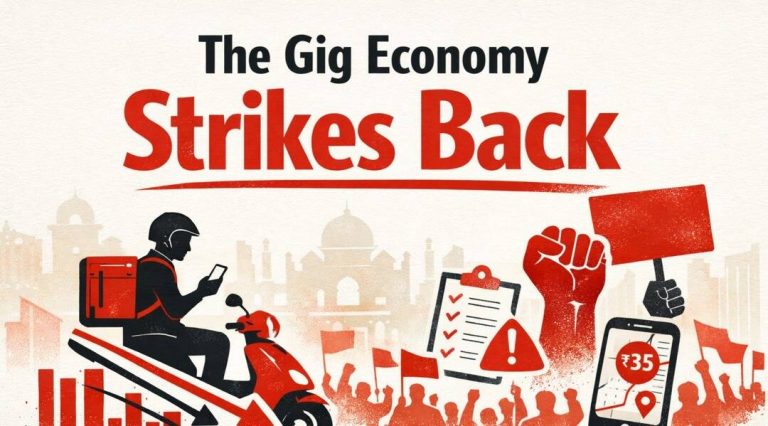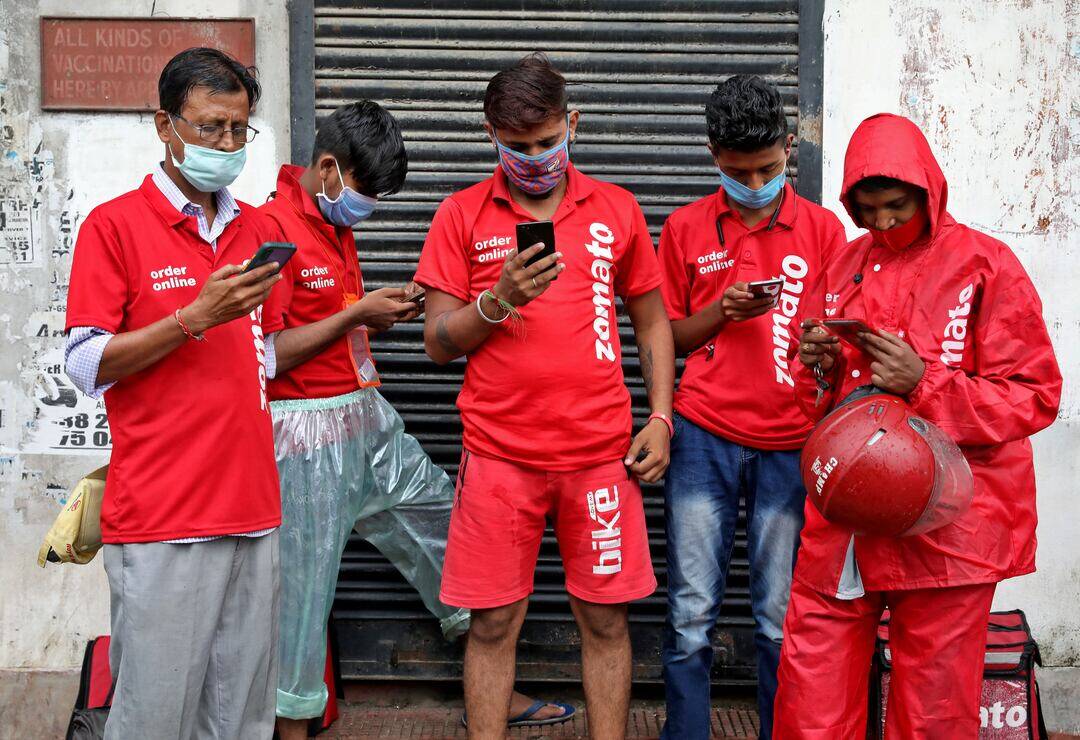
Deepinder claims issue with gig economy is it exposed class divide, says ‘We tip awkwardly’
The gig economy has been a topic of discussion for many years, with its impact on the labor market and the lives of workers being debated by experts and policymakers. Recently, billionaire Deepinder Goyal, the founder of Zomato, shared his thoughts on the issue, highlighting a crucial aspect that is often overlooked. According to Goyal, the problem with the gig economy is not just about the economic implications, but also about the way it has exposed the prevailing class divide in our society.
Goyal’s statement, which has sparked a lot of discussion on social media, emphasizes that the gig economy has brought to light the existing class divide by ensuring that workers are seen by the consuming class. “Suddenly, poor aren’t hidden away…Now, every doorbell is a reminder of systemic inequality,” he said. This statement highlights the fact that the gig economy has made it impossible for us to ignore the poor and the marginalized, who were previously invisible to the consuming class.
The gig economy, which includes platforms such as food delivery services, ride-hailing apps, and task-completion services, has created a new kind of workforce that is characterized by flexibility and precariousness. Workers in the gig economy are often classified as independent contractors, which means they are not entitled to the same benefits and protections as traditional employees. This has led to concerns about exploitation, low wages, and lack of job security.
However, Goyal’s statement suggests that the issue with the gig economy goes beyond these economic concerns. By bringing the poor and the marginalized into our homes and our daily lives, the gig economy has forced us to confront the reality of systemic inequality. As Goyal puts it, “We aren’t just debating economics, we’re confronting guilt…We tip awkwardly…because inequality is no longer abstract.” This statement highlights the fact that the gig economy has made us aware of the human cost of our consumption patterns and the ways in which they perpetuate inequality.
The phenomenon of tipping is a case in point. When we tip a food delivery worker or a ride-hailing driver, we are acknowledging the fact that they are not being paid a living wage. However, the act of tipping is also a way of alleviating our guilt and assuaging our conscience. As Goyal says, “We tip awkwardly” because we are aware that the worker is not being paid fairly, and we want to make up for it in some way. However, this act of tipping also perpetuates the notion that the worker is somehow less deserving of a fair wage than we are.
The gig economy has also highlighted the issue of class divide in other ways. For example, the fact that many gig economy workers are from marginalized communities and are forced to work long hours for low wages is a stark reminder of the systemic inequalities that exist in our society. The gig economy has also created a new kind of underclass, where workers are forced to live in poverty and are denied access to basic benefits and protections.
In conclusion, Deepinder Goyal’s statement highlights the fact that the issue with the gig economy is not just about economics, but also about the way it has exposed the prevailing class divide in our society. By bringing the poor and the marginalized into our homes and our daily lives, the gig economy has forced us to confront the reality of systemic inequality. As Goyal says, “We aren’t just debating economics, we’re confronting guilt…We tip awkwardly…because inequality is no longer abstract.” This statement is a powerful reminder of the need to address the systemic inequalities that exist in our society and to create a more just and equitable economy for all.
As we move forward, it is essential that we consider the implications of the gig economy on our society and our economy. We need to think about ways to address the systemic inequalities that exist in our society and to create a more just and equitable economy for all. This will require a fundamental transformation of our economic system, one that prioritizes the well-being of workers and the planet over profits.
Ultimately, the gig economy is a reflection of our society and our values. It is a reminder of the fact that we live in a society that is characterized by deep-seated inequalities and injustices. However, it is also an opportunity for us to create a better future, one that is more just and equitable for all. As we debate the future of the gig economy, let us not forget the words of Deepinder Goyal, who reminds us that “We aren’t just debating economics, we’re confronting guilt…We tip awkwardly…because inequality is no longer abstract.”
News source: https://x.com/deepigoyal/status/2007030873711927381
About the Author