Deepinder claims issue with gig economy is it exposed class divide, says ‘We tip awkwardly’
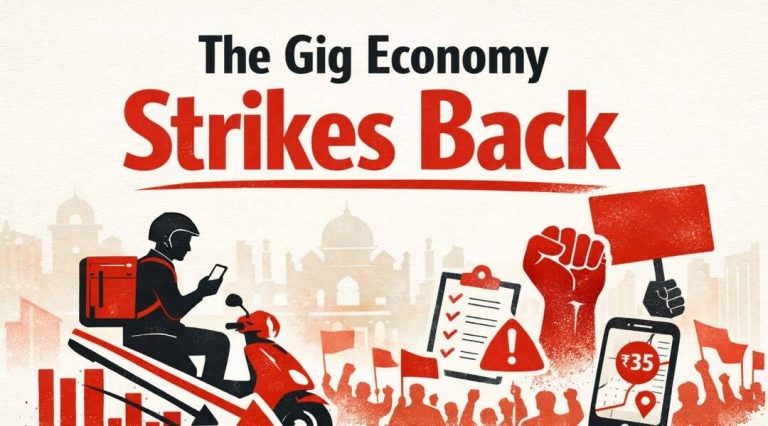
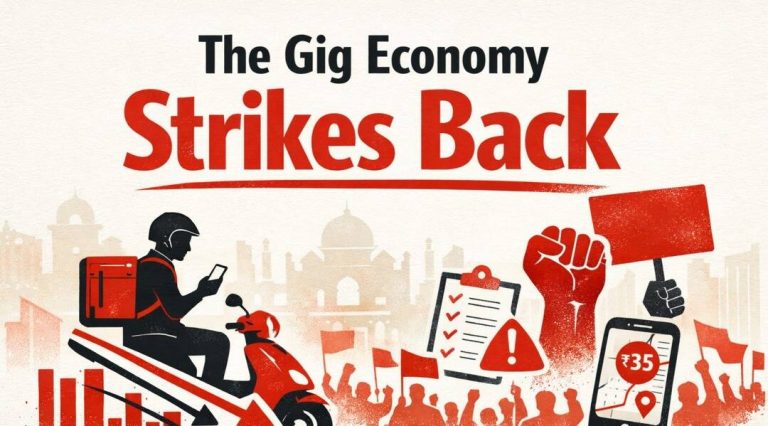
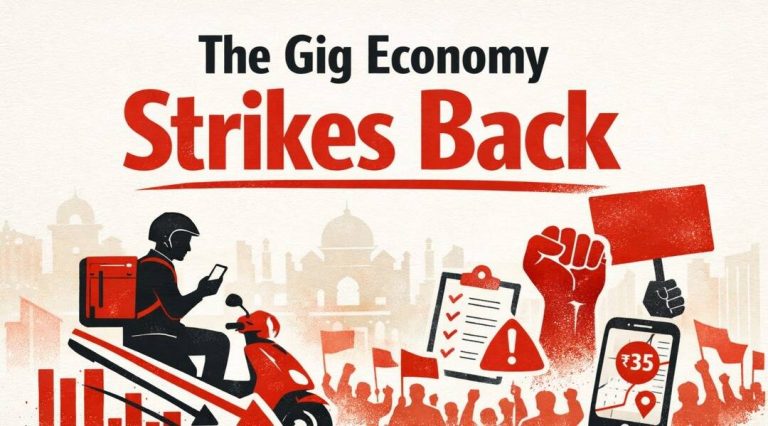
The gig economy has been a topic of discussion for quite some time now, with many experts weighing in on its pros and cons. Recently, billionaire Deepinder Goyal, founder of Zomato, shared his thoughts on the matter, and his words have sparked a significant conversation. According to Goyal, the primary issue with the gig economy is not its economic implications, but rather the fact that it has brought the prevailing class divide to light. He believes that by making workers more visible to the consuming class, the gig economy has forced us to confront the systemic inequality that exists in our society.
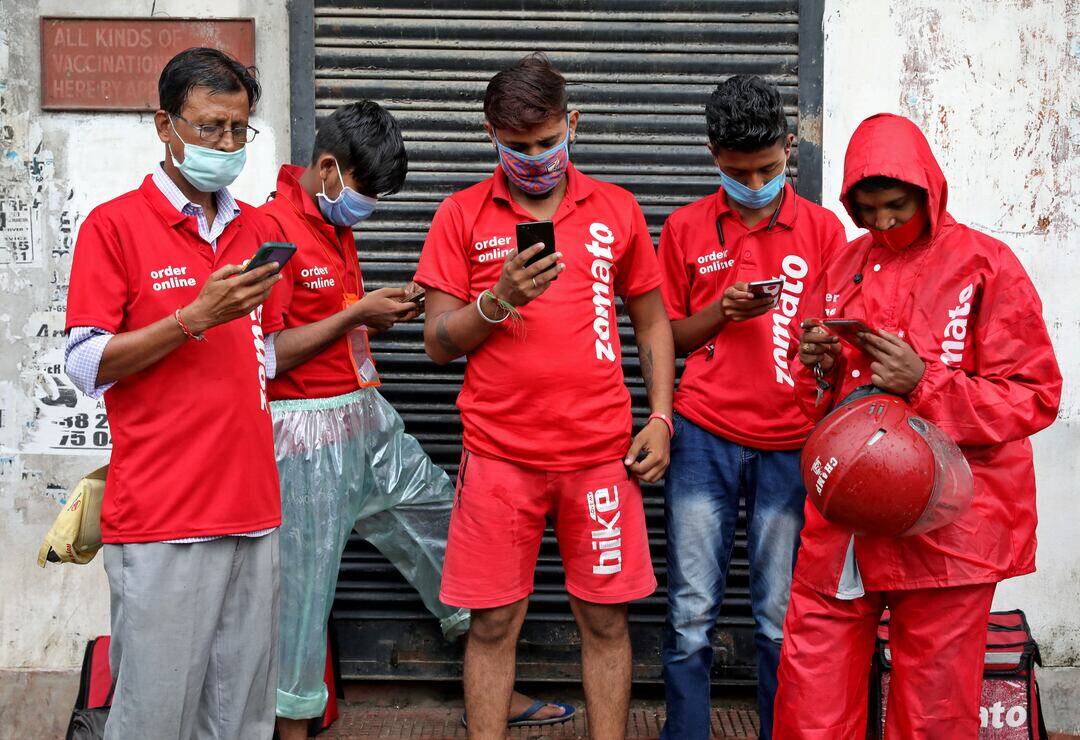
Goyal’s statement, which has been making rounds on social media, reads, “Suddenly, poor aren’t hidden away…Now, every doorbell is a reminder of systemic inequality.” These words are a stark reminder of the harsh reality that we often try to ignore. The gig economy, which includes platforms like food delivery services, ride-hailing apps, and task-completion services, has indeed made workers more visible. We can no longer turn a blind eye to the fact that there are people who are struggling to make ends meet, working long hours for minimal pay, and often in precarious conditions.
The visibility of workers in the gig economy has forced us to confront our own guilt and discomfort with the existing class divide. As Goyal so aptly puts it, “We aren’t just debating economics, we’re confronting guilt.” This guilt is evident in the way we interact with gig workers. We often feel awkward when we see them, unsure of how to react or what to say. This awkwardness is reflected in the way we tip them, as Goyal notes, “We tip awkwardly…because inequality is no longer abstract.” The act of tipping has become a way for us to assuage our guilt, to make ourselves feel better about the fact that we are benefiting from a system that exploits workers.
The issue of tipping is a complex one, and it highlights the class divide that Goyal is talking about. On the one hand, tipping is seen as a way to show appreciation for good service. However, it also perpetuates the idea that workers are not paid a living wage and need to rely on the generosity of customers to make ends meet. This is a problem that is inherent in the gig economy, where workers are often classified as independent contractors rather than employees, and are therefore not entitled to benefits or a minimum wage.
The fact that we tip awkwardly, as Goyal says, is a reflection of our own discomfort with this system. We know that the workers are not being paid fairly, and that we are benefiting from their labor at a low cost. This discomfort is exacerbated by the fact that we are constantly reminded of the class divide when we interact with gig workers. Every time we order food or hail a ride, we are confronted with the reality of inequality. This can be unsettling, especially for those of us who are accustomed to a certain level of privilege.
Goyal’s statement has sparked a necessary conversation about the gig economy and its implications. It has forced us to confront the harsh reality of class divide and the ways in which it is perpetuated by our economic systems. As we move forward, it is essential that we consider the impact of the gig economy on workers and the broader society. We need to think critically about the ways in which we can create a more equitable system, one that values the labor of all workers and provides them with fair compensation and benefits.
Ultimately, the issue with the gig economy is not just economic; it is also deeply social and moral. It requires us to confront our own biases and assumptions about work, class, and inequality. As Goyal so eloquently puts it, “We tip awkwardly…because inequality is no longer abstract.” It is time for us to stop tipping awkwardly and start working towards creating a more just and equitable society for all.
Source: https://x.com/deepigoyal/status/2007030873711927381
About the Author