Deepinder claims issue with gig economy is it exposed class divide, says ‘We tip awkwardly’
The gig economy has been a subject of debate for quite some time now, with many arguing that it has disrupted traditional employment structures and created new opportunities for workers. However, billionaire Deepinder Goyal, the founder of Zomato, has a different take on the issue. According to him, the problem with the gig economy is not its inherent structure, but rather the fact that it has exposed the prevailing class divide in our society.
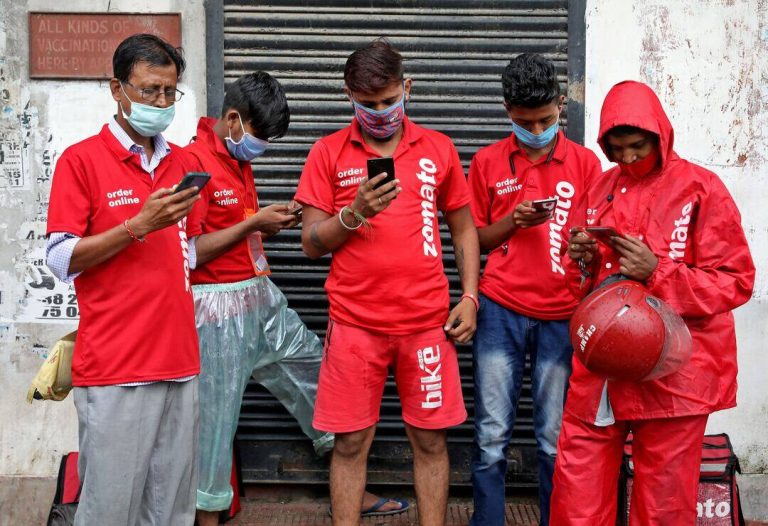
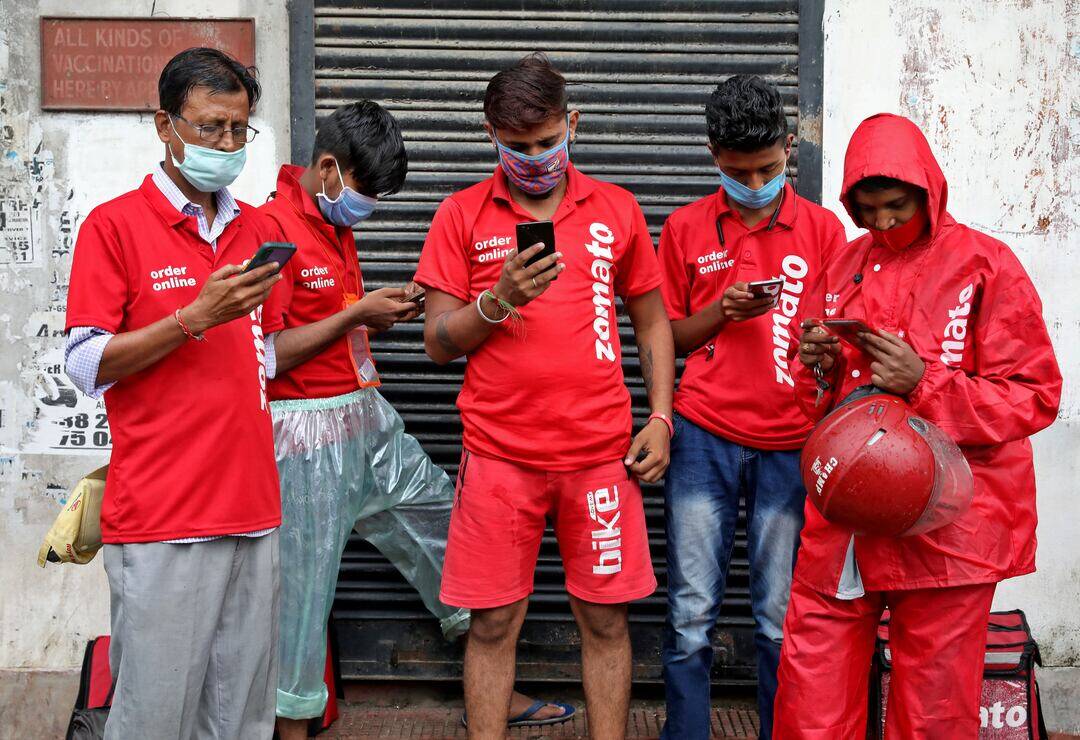
In a recent statement, Goyal claimed that the gig economy has brought the existing class divide to light by ensuring that workers are seen by the consuming class. “Suddenly, poor aren’t hidden away…Now, every doorbell is a reminder of systemic inequality,” he said. This statement highlights the fact that the gig economy has made it impossible for us to ignore the stark contrast between the haves and have-nots. With the rise of food delivery and ride-hailing services, we are constantly reminded of the people who are working behind the scenes to make our lives easier.
Goyal’s statement also touches upon the guilt that we feel when we interact with gig workers. “We aren’t just debating economics, we’re confronting guilt…We tip awkwardly…because inequality is no longer abstract,” he said. This is a profound observation, as it highlights the fact that our interactions with gig workers are often fraught with a sense of discomfort and guilt. We know that these workers are not being paid a living wage, and that they are often forced to work long hours in difficult conditions. This knowledge creates a sense of unease, which is reflected in the way we tip them.
The issue of tipping is an interesting one, as it highlights the power dynamics at play in the gig economy. When we tip a gig worker, we are essentially acknowledging the fact that they are not being paid enough by their employer. This creates a sense of awkwardness, as we are forced to confront the reality of the worker’s exploitation. At the same time, tipping also creates a sense of paternalism, as we feel like we are doing the worker a favor by giving them a few extra dollars.
Goyal’s statement also raises important questions about the nature of work and inequality in our society. If the gig economy is exposing the class divide, then what does that say about our economic system as a whole? Are we creating a society where certain groups of people are forced to live in poverty, while others reap the benefits of their labor? These are difficult questions to answer, but they are essential to understanding the impact of the gig economy on our society.
Furthermore, Goyal’s statement highlights the need for a more nuanced conversation about the gig economy. Rather than simply debating the economics of the issue, we need to consider the social and cultural implications of this new economic reality. We need to think about the ways in which the gig economy is shaping our relationships with each other, and the ways in which it is perpetuating inequality.
In conclusion, Deepinder Goyal’s statement about the gig economy is a thought-provoking one, as it highlights the ways in which this new economic reality is exposing the class divide in our society. By forcing us to confront the reality of inequality, the gig economy is creating a sense of discomfort and guilt that we cannot ignore. As we move forward, it is essential that we consider the social and cultural implications of the gig economy, and that we work towards creating a more equitable society for all.
News Source: https://x.com/deepigoyal/status/2007030873711927381
About the Author