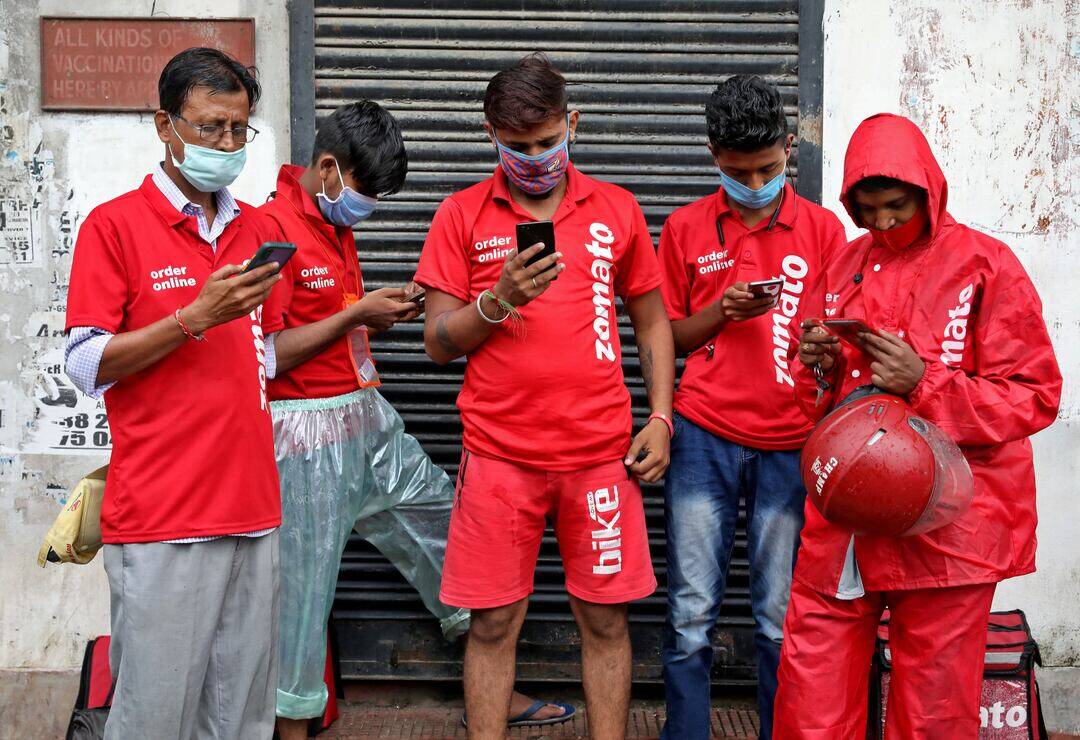
Deepinder claims issue with gig economy is it exposed class divide, says ‘We tip awkwardly’
The gig economy has been a topic of discussion for many years, with its impact on workers, consumers, and the economy as a whole being debated by experts and policymakers. Recently, billionaire Deepinder Goyal, the founder of Zomato, weighed in on the issue, claiming that the problem with the gig economy is not its inherent structure, but rather the fact that it has exposed the prevailing class divide in our society. According to Goyal, the gig economy has brought to light the stark contrast between the haves and have-nots, making it impossible for the consuming class to ignore the plight of workers.
Goyal’s statement, which was posted on social media, sparked a heated debate about the nature of the gig economy and its impact on workers. “Suddenly, poor aren’t hidden away…Now, every doorbell is a reminder of systemic inequality,” he said. “We aren’t just debating economics, we’re confronting guilt…We tip awkwardly…because inequality is no longer abstract,” he added. These words struck a chord with many, as they highlighted the uncomfortable truth that the gig economy has forced us to confront the class divide that has long been present in our society.
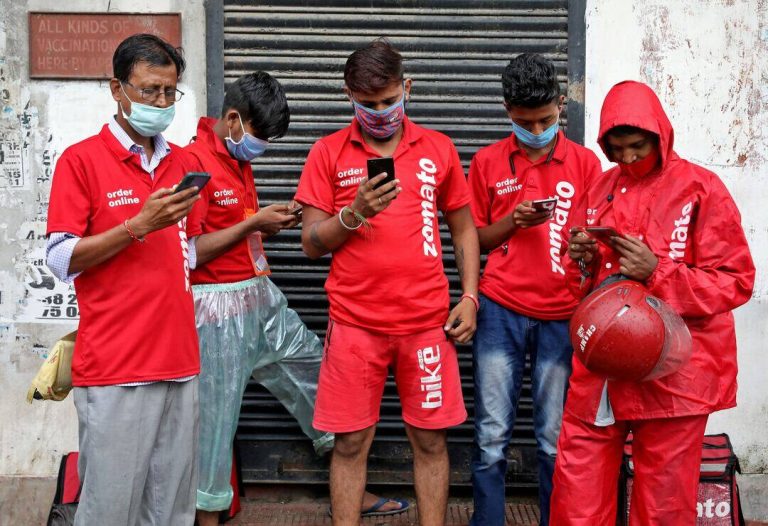
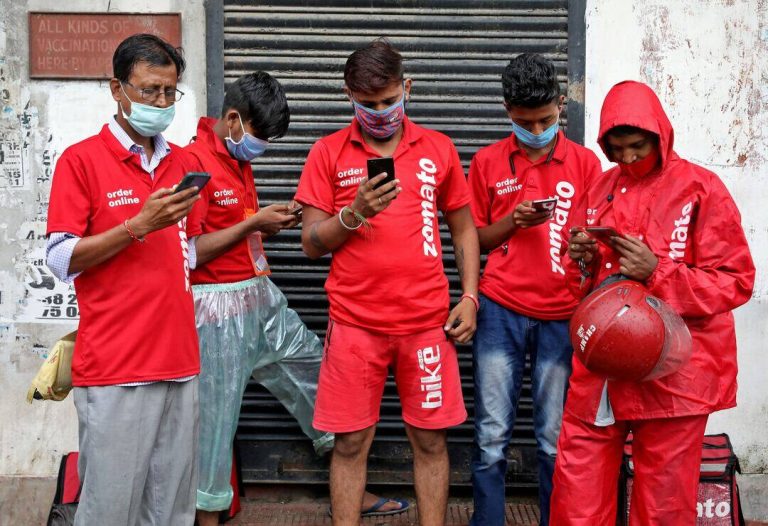
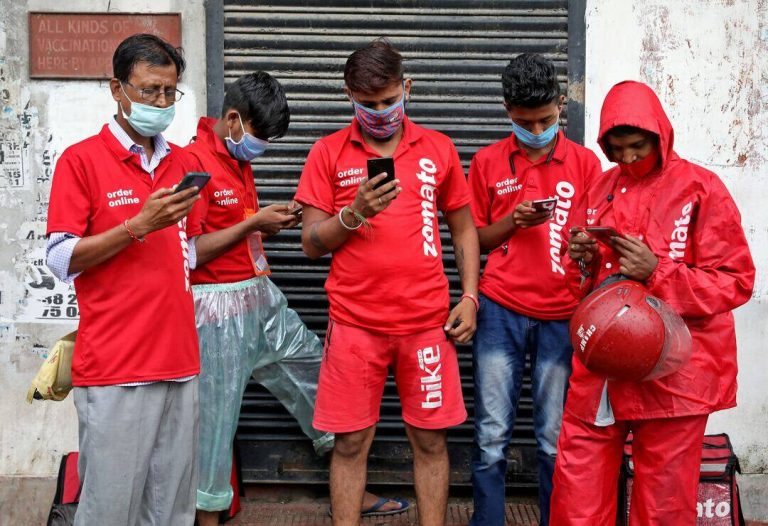
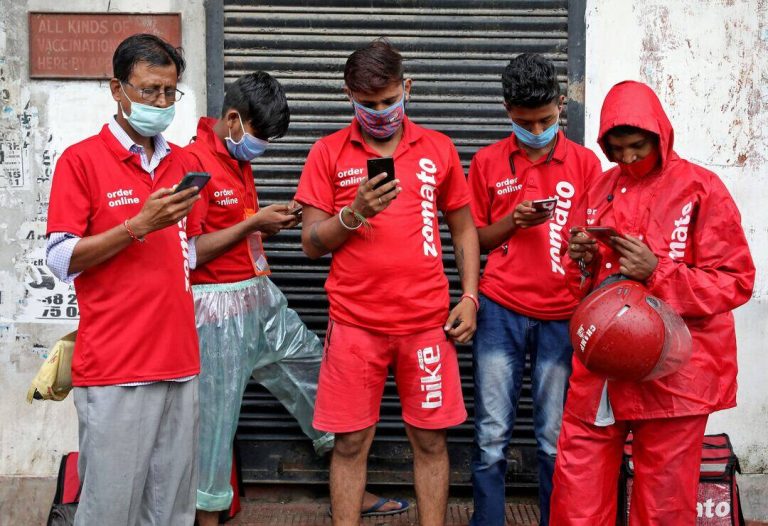
The gig economy, which includes companies like Zomato, Uber, and Ola, has created a new class of workers who are not entitled to the same benefits and job security as traditional employees. These workers, who are often referred to as “gig workers,” are hired on a freelance basis and are paid for each task they complete. While this arrangement has created new opportunities for people to earn a living, it has also raised concerns about exploitation and inequality.
One of the main issues with the gig economy is that it has created a system where workers are treated as independent contractors, rather than employees. This means that they are not entitled to benefits like health insurance, paid time off, and retirement plans. They are also not protected by labor laws, which can make them vulnerable to exploitation by companies. Furthermore, the gig economy has created a culture of precarious work, where workers are forced to juggle multiple jobs just to make ends meet.
Goyal’s statement highlights the fact that the gig economy has brought the class divide to the forefront of our consciousness. By making workers visible, the gig economy has forced us to confront the reality of inequality in our society. As Goyal said, “every doorbell is a reminder of systemic inequality.” This is because the gig economy has created a system where workers are constantly interacting with the consuming class, making it impossible for us to ignore their presence.
The fact that we “tip awkwardly” is a testament to the guilt and discomfort that many of us feel when interacting with gig workers. We know that these workers are not being paid a living wage, and that they are often forced to work long hours just to make ends meet. This knowledge creates a sense of unease, which is reflected in the way we tip them. We tip them out of guilt, rather than as a genuine expression of appreciation for their service.
The issue of inequality is no longer abstract, as Goyal said. It is a concrete reality that we are forced to confront every time we interact with a gig worker. The gig economy has made it impossible for us to ignore the class divide, and has forced us to confront the systemic inequality that exists in our society. This is a uncomfortable truth, but it is one that we must confront if we are to create a more just and equitable society.
In conclusion, Deepinder Goyal’s statement highlights the fact that the gig economy has exposed the class divide in our society. By making workers visible, the gig economy has forced us to confront the reality of inequality and to confront our own guilt and discomfort. The fact that we “tip awkwardly” is a testament to the fact that we know that gig workers are not being paid a living wage, and that we are complicit in their exploitation. It is time for us to confront this reality and to work towards creating a more just and equitable society.
Source: https://x.com/deepigoyal/status/2007030873711927381
About the Author