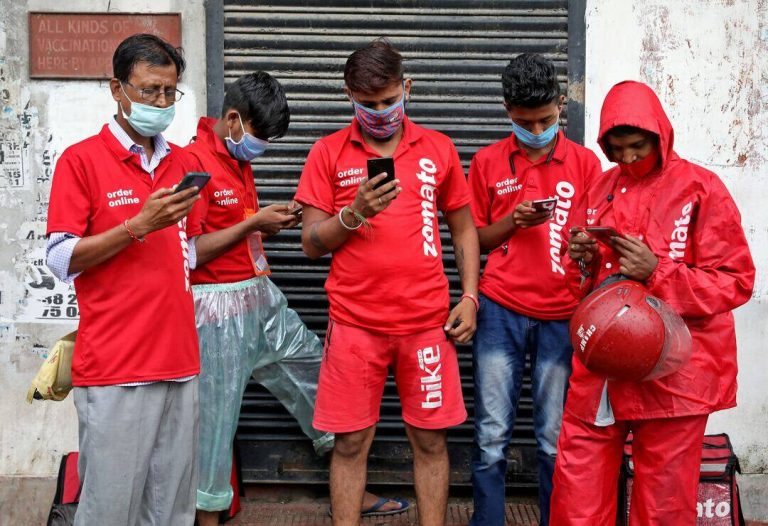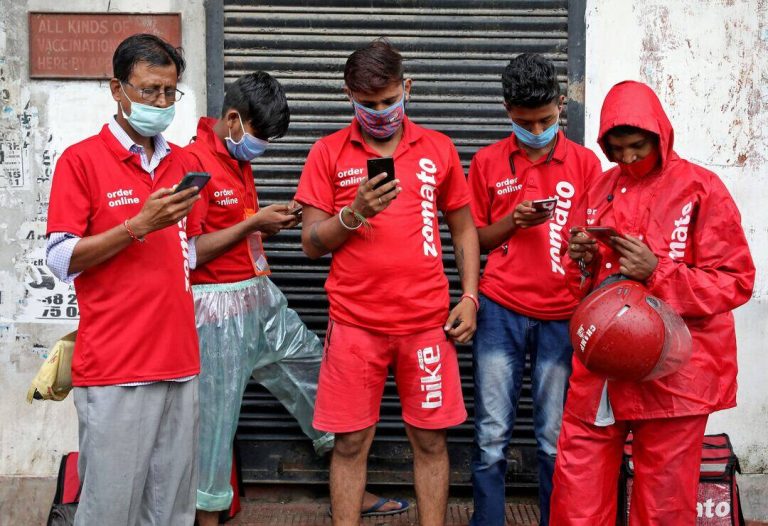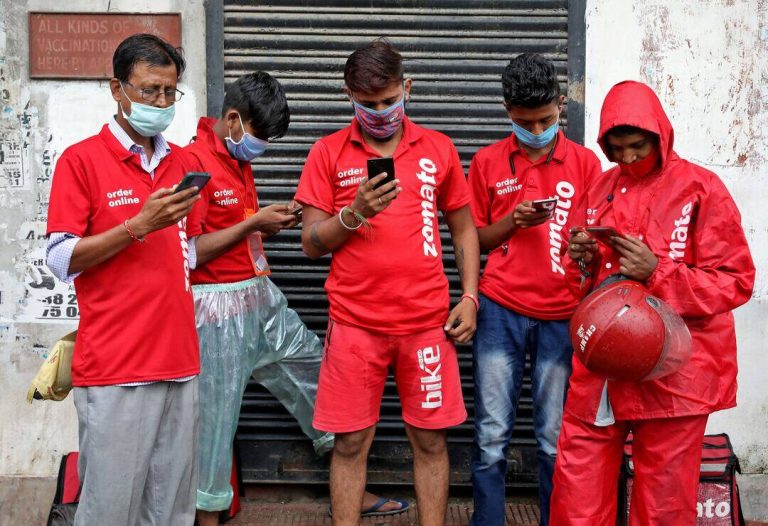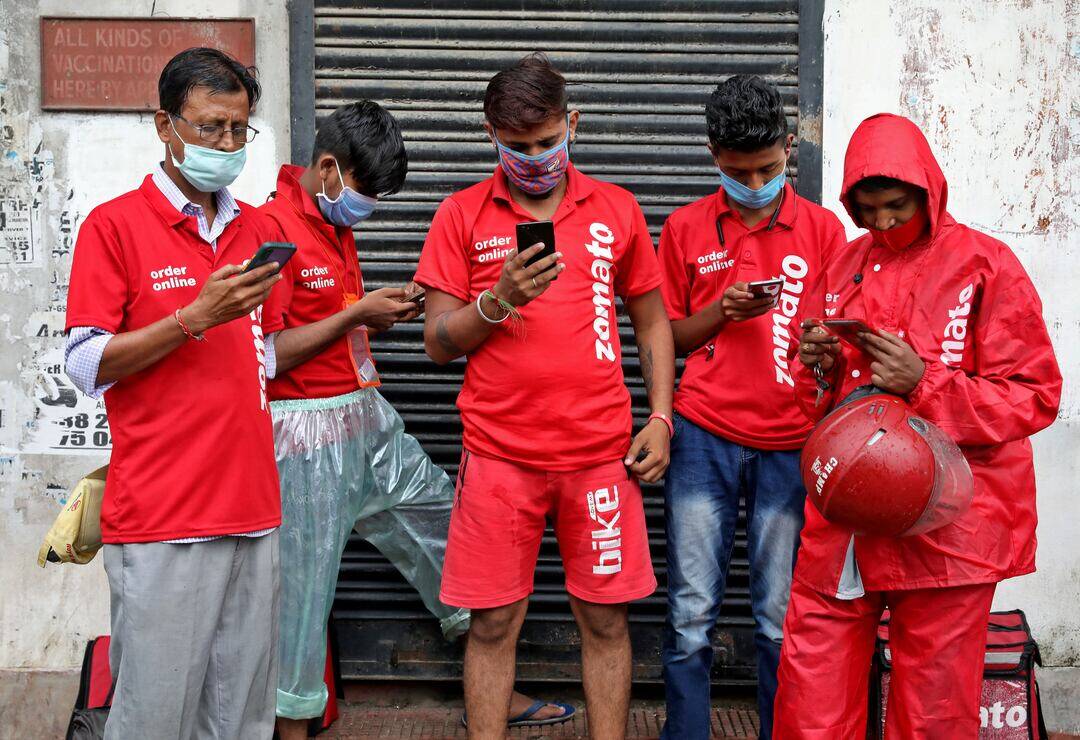
Deepinder claims issue with gig economy is it exposed class divide, says ‘We tip awkwardly’
The gig economy, which has been a subject of debate in recent years, has been under scrutiny for its treatment of workers and the impact it has on the social fabric of our society. Billionaire Deepinder Goyal, the founder of Zomato, has weighed in on the issue, offering a thought-provoking perspective on the problems plaguing the gig economy. According to Goyal, the primary issue with the gig economy is not its economic model or the way it operates, but rather the fact that it has brought the prevailing class divide to light, forcing the consuming class to confront the harsh realities of systemic inequality.
In a recent statement, Goyal said, “Suddenly, the poor aren’t hidden away…Now, every doorbell is a reminder of systemic inequality.” This statement highlights the way in which the gig economy has made the existence of poverty and inequality more visible to the general public. With the rise of food delivery and ride-hailing services, people from all walks of life are being brought into our homes and cars, forcing us to confront the reality of economic disparity.
Goyal’s statement also touches on the emotional response that many people have when interacting with gig economy workers. “We aren’t just debating economics, we’re confronting guilt…We tip awkwardly…because inequality is no longer abstract,” he said. This sentiment is relatable to many people who have found themselves in situations where they are unsure of how to interact with gig economy workers, or how much to tip them. The awkwardness that Goyal refers to is a result of the fact that we are being forced to confront the human cost of our convenience.
The gig economy has created a system in which workers are often paid minimal wages and are not provided with benefits or job security. This has led to a situation in which many workers are struggling to make ends meet, and are forced to rely on tips to supplement their income. The fact that we are expected to tip workers for performing tasks such as delivering food or driving us around has created a sense of discomfort and guilt among many consumers.
Goyal’s comments also highlight the way in which the gig economy has disrupted the traditional social norms surrounding work and class. In the past, people from different economic backgrounds often occupied separate spaces, and interactions between them were limited. However, the gig economy has created a situation in which people from all walks of life are being brought together, often in uncomfortable and awkward ways.
The issue of class divide is not a new one, but the gig economy has brought it to the forefront of our consciousness. By forcing us to confront the reality of poverty and inequality, the gig economy has created a sense of discomfort and guilt among many people. This discomfort is not just limited to the economic sphere, but also extends to the social and emotional realms.
As Goyal so aptly put it, “We tip awkwardly…because inequality is no longer abstract.” This statement highlights the way in which the gig economy has made the issue of inequality more tangible and personal. We can no longer ignore the fact that there are people who are struggling to make ends meet, and that our actions have a direct impact on their lives.
In conclusion, Deepinder Goyal’s comments on the gig economy offer a nuanced and thought-provoking perspective on the issues plaguing this sector. By highlighting the way in which the gig economy has exposed the class divide and forced us to confront the reality of systemic inequality, Goyal has shed light on a critical aspect of this debate. As we move forward, it is essential that we consider the social and emotional implications of the gig economy, and work towards creating a more equitable and just system for all workers.
News source: https://x.com/deepigoyal/status/2007030873711927381
About the Author