Deepinder claims issue with gig economy is it exposed class divide, says ‘We tip awkwardly’
The gig economy has been a topic of discussion for many years, with proponents arguing that it provides flexibility and opportunities for workers, while critics argue that it perpetuates inequality and exploitation. Recently, billionaire Deepinder Goyal weighed in on the issue, claiming that the problem with the gig economy is not its inherent structure, but rather the fact that it has exposed the prevailing class divide in our society.
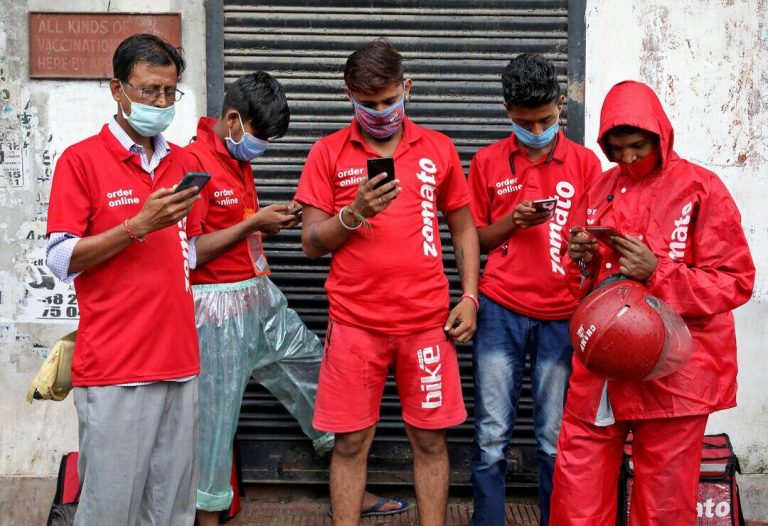
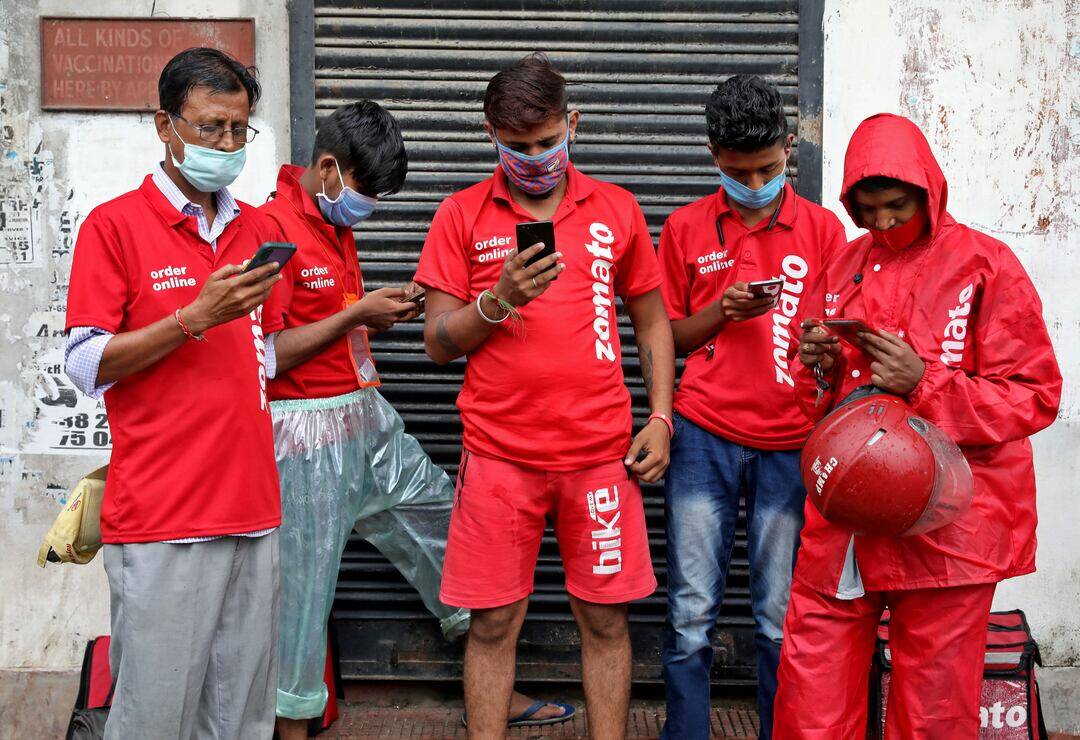
According to Goyal, the gig economy has brought to light the fact that workers are no longer hidden away from the consuming class. “Suddenly, the poor aren’t hidden away…Now, every doorbell is a reminder of systemic inequality,” he said. This statement highlights the fact that the gig economy has made it impossible for us to ignore the existence of poverty and inequality in our society. With the rise of food delivery and ride-hailing services, we are constantly reminded of the people who are working behind the scenes to provide us with convenience and comfort.
Goyal’s statement also touches on the idea that we are not just debating economics when we discuss the gig economy, but also confronting our own guilt and feelings of unease. “We aren’t just debating economics, we’re confronting guilt…We tip awkwardly…because inequality is no longer abstract,” he said. This is a powerful observation, as it suggests that our discomfort with the gig economy is not just about the economic implications, but also about the fact that it forces us to confront the reality of inequality in our society.
The fact that we tip awkwardly is a telling sign of our discomfort with the gig economy. When we tip, we are acknowledging that the person providing us with a service is not being fairly compensated, and that we have a moral obligation to make up for it. However, this act of tipping also highlights the fact that we are not willing to pay a fair price for the services we receive. Instead, we rely on the kindness of strangers to make up for the fact that workers are not being paid a living wage.
This phenomenon is not unique to the gig economy, but it is particularly pronounced in this context. The gig economy is built on the idea that workers are independent contractors, rather than employees, and therefore are not entitled to the same benefits and protections as traditional workers. This has led to a situation where workers are often paid very low wages, and are forced to rely on tips to make ends meet.
The fact that we tip awkwardly is also a sign of our ambivalence towards the gig economy. On the one hand, we appreciate the convenience and flexibility that it provides, but on the other hand, we are uneasy about the fact that it perpetuates inequality and exploitation. This ambivalence is reflected in the way that we tip, as we are trying to make up for the fact that workers are not being fairly compensated, but we are not willing to pay a fair price for the services we receive.
Goyal’s statement also highlights the fact that the gig economy is not just an economic issue, but also a social and cultural one. The fact that we are forced to confront the reality of inequality in our society is a reminder that the gig economy is not just a reflection of economic forces, but also of social and cultural norms. The way that we treat workers in the gig economy is a reflection of our values and our priorities, and it is a reminder that we need to rethink our assumptions about work, class, and inequality.
In conclusion, Deepinder Goyal’s statement highlights the fact that the gig economy is not just an economic issue, but also a social and cultural one. The fact that it has exposed the prevailing class divide in our society is a reminder that we need to confront the reality of inequality and exploitation. The way that we tip awkwardly is a sign of our discomfort with the gig economy, and a reminder that we need to rethink our assumptions about work, class, and inequality. As we move forward, it is essential that we prioritize the needs and dignity of workers, and work towards creating a more just and equitable society.
Source: https://x.com/deepigoyal/status/2007030873711927381
About the Author