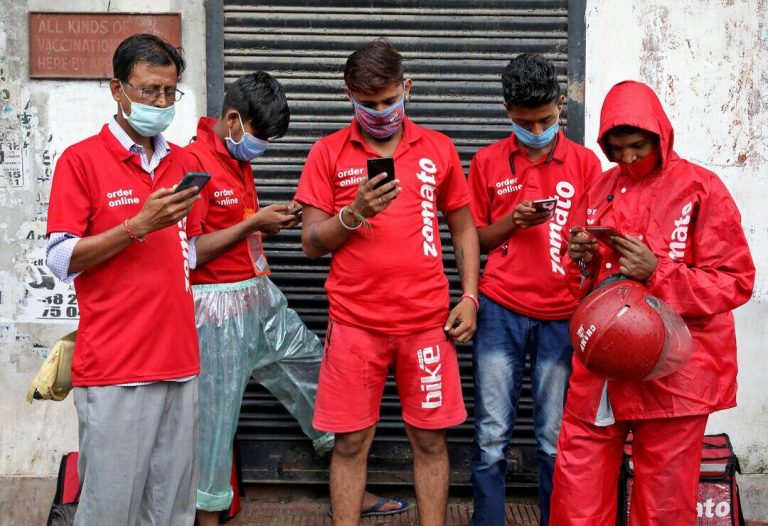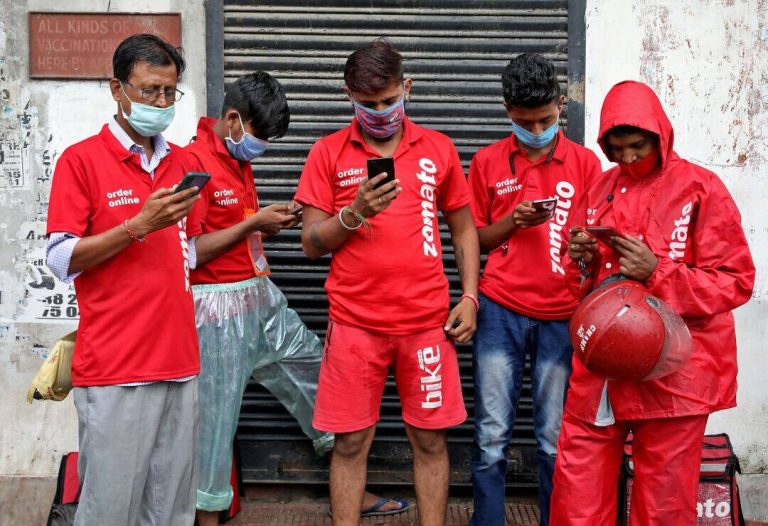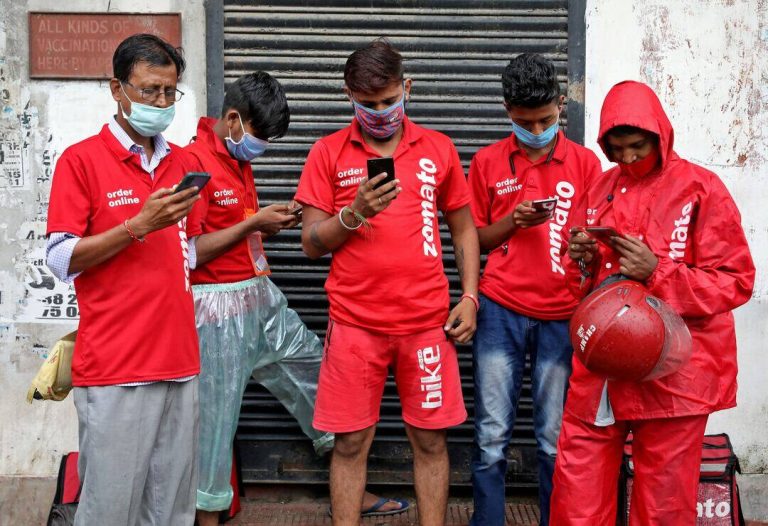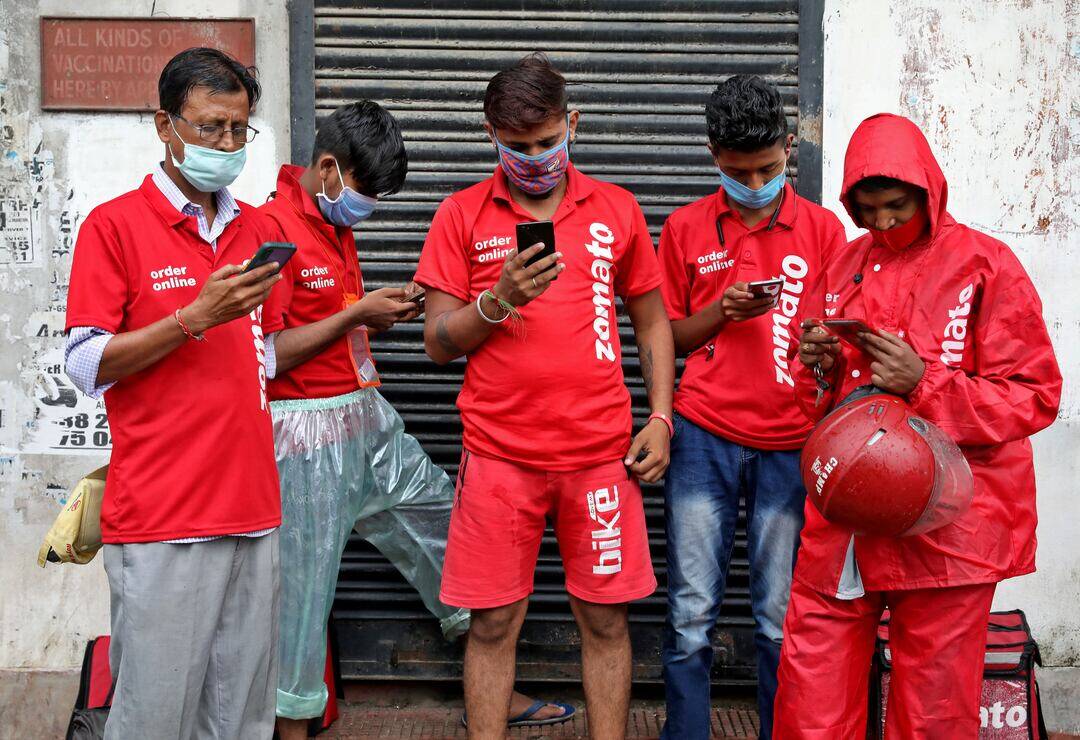
Deepinder claims issue with gig economy is it exposed class divide, says ‘We tip awkwardly’
The gig economy has been a topic of discussion for several years now, with many experts weighing in on its benefits and drawbacks. However, a recent statement by billionaire Deepinder Goyal has shed new light on the issue. According to Goyal, the problem with the gig economy is not its economic model or the way it treats its workers, but rather the fact that it has exposed the prevailing class divide in our society.
Goyal’s statement suggests that the gig economy has brought to the forefront the harsh realities of class inequality in our society. By ensuring that workers are visible to the consuming class, the gig economy has made it impossible to ignore the fact that there are millions of people struggling to make ends meet. As Goyal put it, “Suddenly, poor aren’t hidden away…Now, every doorbell is a reminder of systemic inequality.”
This statement highlights the fact that the gig economy has made the poor and marginalized visible to the wealthy and middle class. In the past, it was easy to ignore the struggles of the poor because they were largely invisible. However, with the rise of the gig economy, it has become impossible to ignore the fact that there are millions of people struggling to survive.
Goyal’s statement also touches on the guilt that many people feel when they interact with gig workers. As he said, “We aren’t just debating economics, we’re confronting guilt…We tip awkwardly…because inequality is no longer abstract.” This statement suggests that the gig economy has made people confront the harsh realities of class inequality, and it has made them feel guilty about their own privilege.
The fact that people tip awkwardly is a testament to this guilt. When we tip a gig worker, we are acknowledging that they are not being paid a living wage and that they need our charity to survive. This can be a uncomfortable experience, especially for those who are not used to interacting with people from lower socio-economic backgrounds.
The gig economy has also highlighted the issue of class divide in other ways. For example, many gig workers are forced to work long hours for low pay, without any benefits or job security. This has led to a situation where many workers are struggling to make ends meet, and are often forced to rely on the charity of others to survive.
Furthermore, the gig economy has also created a new class of workers who are forced to work in precarious conditions. These workers are often denied basic rights such as minimum wage, overtime pay, and workers’ compensation. They are also often subjected to exploitation and abuse by employers and clients.
The exposure of class divide by the gig economy has also led to a lot of debate and discussion about the issue. Many experts and activists have argued that the gig economy is a symptom of a larger problem – the erosion of workers’ rights and the rise of neoliberalism. They argue that the gig economy is a result of a system that prioritizes profits over people, and that it is designed to exploit workers and maximize profits for corporations.
On the other hand, some experts have argued that the gig economy is a necessary evil in a rapidly changing world. They argue that it provides flexibility and freedom to workers, and that it allows them to pursue their passions and interests. However, this argument ignores the fact that many gig workers are not choosing to work in the gig economy out of choice, but rather out of necessity.
In conclusion, Deepinder Goyal’s statement highlights the fact that the gig economy has exposed the prevailing class divide in our society. By making workers visible to the consuming class, the gig economy has made it impossible to ignore the fact that there are millions of people struggling to make ends meet. The fact that people tip awkwardly is a testament to the guilt that many people feel when they interact with gig workers, and it highlights the need for a more equitable and just system.
As we move forward, it is essential that we address the issue of class divide and work towards creating a more equitable society. This will require a fundamental transformation of our economic system, and a commitment to prioritizing people over profits. It will also require a recognition of the fact that the gig economy is not just an economic issue, but a social and moral one.
News Source: https://x.com/deepigoyal/status/2007030873711927381
About the Author