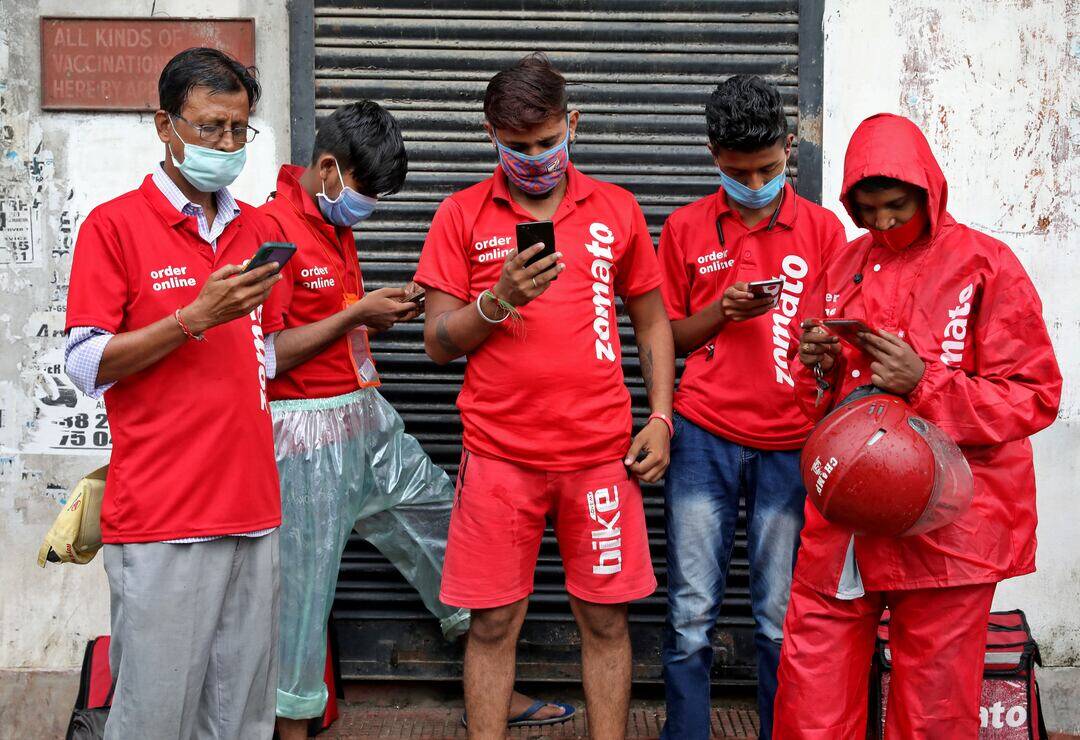
Deepinder claims issue with gig economy is it exposed class divide, says ‘We tip awkwardly’
The gig economy has been a topic of discussion for many years, with proponents arguing that it provides flexibility and opportunities for workers, while critics argue that it perpetuates inequality and exploitation. Recently, billionaire Deepinder Goyal weighed in on the issue, claiming that the problem with the gig economy is not its inherent structure, but rather the fact that it has brought the prevailing class divide to light. According to Goyal, the gig economy has made it impossible for the consuming class to ignore the plight of workers, forcing them to confront the systemic inequality that has long been hidden.
Goyal’s comments were made in a recent statement, where he said, “Suddenly, poor aren’t hidden away…Now, every doorbell is a reminder of systemic inequality.” He argued that the gig economy has made it possible for workers to be seen by the consuming class, rather than being relegated to the background. This, he claimed, has led to a sense of discomfort and guilt among those who benefit from the labor of gig workers. As Goyal put it, “We aren’t just debating economics, we’re confronting guilt…We tip awkwardly…because inequality is no longer abstract.”
Goyal’s comments highlight the uncomfortable truth that the gig economy has exposed the class divide that exists in our society. By bringing workers into our homes and onto our streets, the gig economy has made it impossible to ignore the fact that many people are struggling to make ends meet. This has led to a sense of discomfort and guilt among those who benefit from the labor of gig workers, as they are forced to confront the reality of systemic inequality.
The gig economy has been growing rapidly in recent years, with millions of people around the world turning to platforms such as Uber, Deliveroo, and TaskRabbit to make a living. While these platforms have provided opportunities for workers to earn a income, they have also been criticized for perpetuating inequality and exploitation. Many gig workers are paid low wages, have limited access to benefits, and are subject to long hours and poor working conditions.
Despite these criticisms, the gig economy continues to grow, with more and more people turning to platforms to make a living. However, as Goyal’s comments highlight, the gig economy has also brought attention to the class divide that exists in our society. By making workers visible, the gig economy has forced us to confront the reality of systemic inequality, and to consider the impact that our actions have on others.
One of the key issues with the gig economy is the fact that it perpetuates a system of inequality, where workers are paid low wages and have limited access to benefits. This has led to a situation where many gig workers are struggling to make ends meet, and are forced to rely on tips and other forms of compensation to get by. As Goyal said, “We tip awkwardly…because inequality is no longer abstract.” This awkwardness is a result of the fact that we are forced to confront the reality of systemic inequality, and to consider the impact that our actions have on others.
Another issue with the gig economy is the fact that it lacks regulation and oversight. Many gig workers are classified as independent contractors, rather than employees, which means that they are not entitled to the same benefits and protections as traditional employees. This has led to a situation where many gig workers are vulnerable to exploitation, and are forced to rely on the goodwill of platforms to get by.
Despite these challenges, there are many people who are working to address the issues with the gig economy. Some platforms, such as Uber and Lyft, have introduced new benefits and protections for workers, such as access to health insurance and paid time off. Others, such as the Independent Workers Union, are working to organize gig workers and to advocate for their rights.
In conclusion, Deepinder Goyal’s comments highlight the uncomfortable truth that the gig economy has exposed the class divide that exists in our society. By bringing workers into our homes and onto our streets, the gig economy has made it impossible to ignore the fact that many people are struggling to make ends meet. As Goyal said, “We aren’t just debating economics, we’re confronting guilt…We tip awkwardly…because inequality is no longer abstract.” This awkwardness is a result of the fact that we are forced to confront the reality of systemic inequality, and to consider the impact that our actions have on others.
As we move forward, it is essential that we consider the impact that the gig economy has on workers, and that we work to address the issues of inequality and exploitation that it perpetuates. This will require a concerted effort from governments, platforms, and workers themselves, but it is essential if we are to create a more just and equitable society.
Source: https://x.com/deepigoyal/status/2007030873711927381
About the Author